
Mammal
Sri Lankan Leopard
Panthera pardus kotiyaAlso known as Ceylon Leopard, Kotiya
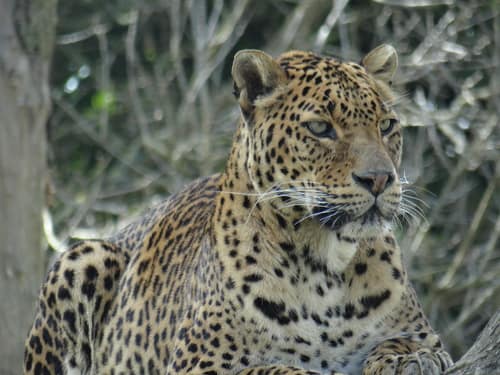
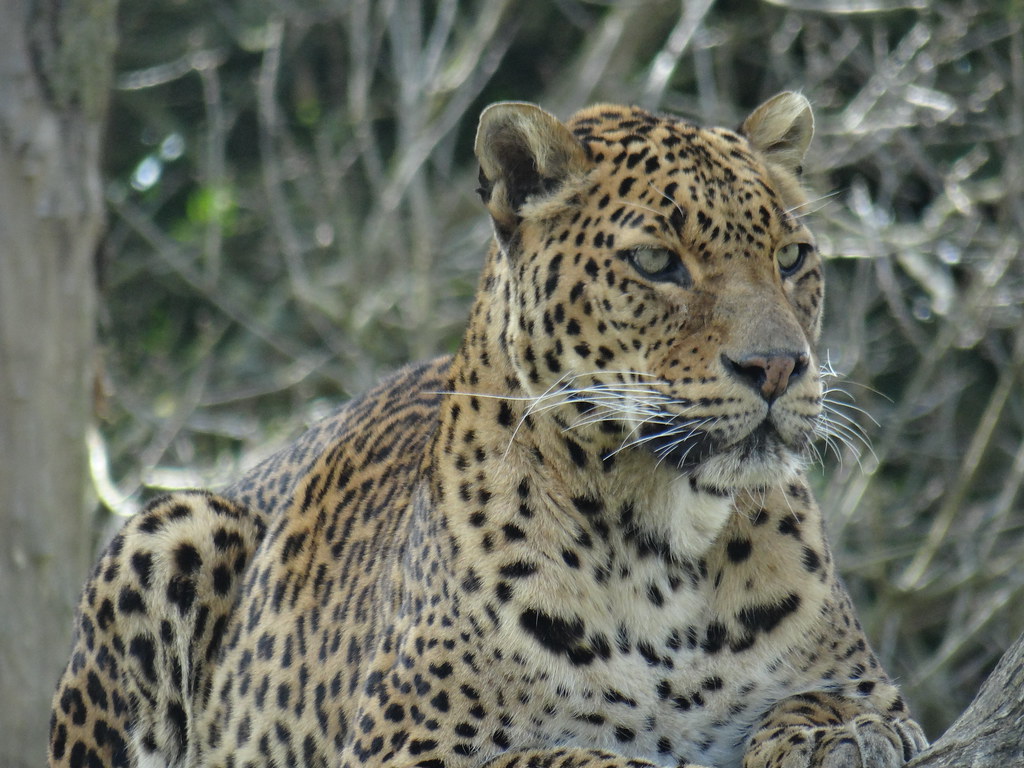
Sri Lankan leopards reign as the island's undisputed apex predators, adapting to habitats ranging from dry scrublands to wet-zone rainforests. Unlike leopards in mainland Asia, these cats do not have to compete with larger tigers or lions, making them bolder and more frequently seen during the day. They are solitary hunters that stalk their prey through the undergrowth before launching a swift, powerful ambush.
Apex PredatorSolitaryCrepuscular
—observations
—countries
—peak records
EndangeredConservation statusIUCN Red List categoriesLCNTVUENCREWEXEndangeredRed List categories, explained →
Diet & preySpotted Deer, Sambar Deer, Wild Boar
Predators
- Humans
ThreatsHabitat fragmentation, poaching for skins and canine teeth, and human-wildlife conflict
HabitatsDry evergreen forests, scrublands, rainforests, and montane grasslands
Life span12 to 15 years in the wild
Classification
- FamilyFelidae
- SpeciesPanthera pardus kotiya
Range data is not available yet.
Interaction riskHigh
- Low
- Moderate
- High
- Very high
- Why interaction risk is high
- A powerful apex predator; always observe from the safety of an enclosed safari vehicle.
- Why it is dangerous
- As large, powerful carnivores, they possess immense strength and sharp claws capable of inflicting fatal injuries if threatened.
- How to recognize a risky encounter
- Look for a tawny coat covered in close-set black spots and rosettes, much larger than any other Sri Lankan cat.
- What to do
- Never approach on foot; stay inside a vehicle and give the animal at least thirty meters of space.
- What to notice
- Recognized by its unique rosette patterns and large size compared to other island carnivores.
- Support conservation
- Support local conservation initiatives and report any illegal snaring or poaching activities to park rangers.
Responsible observation
- Safari Etiquette: Remain inside your vehicle at all times while visiting national parks like Yala or Wilpattu.
- Keep Quiet: Avoid making loud noises or sudden movements that could startle the animal or drive it away.
- Binoculars Ready: Look for them resting on large horizontal tree branches or rocky outcrops during the heat of the day.
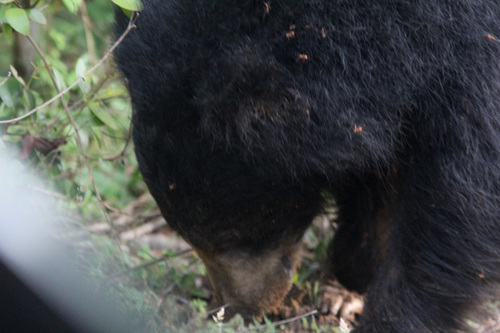
Competitor no rights reserved · cc0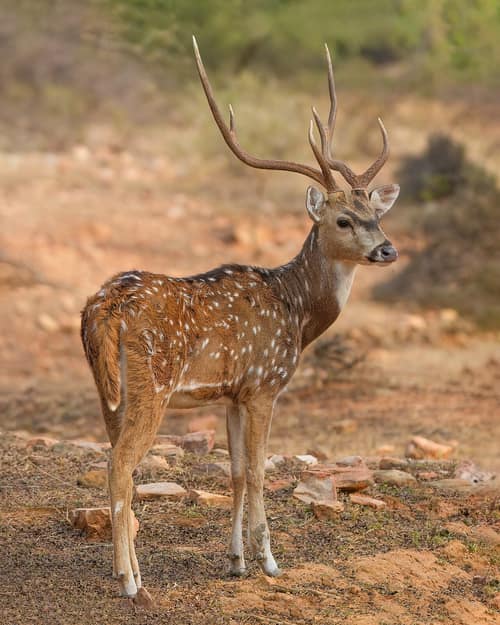
Prey Giles Laurent / CC BY-SA 4.0 · cc-by-sa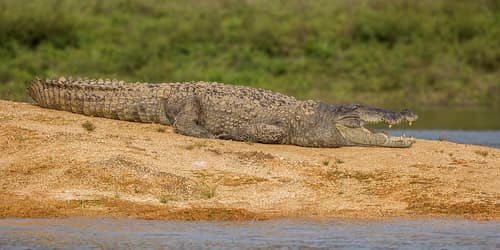
Competitor Charles J. Sharp / CC BY-SA 4.0 · cc-by-sa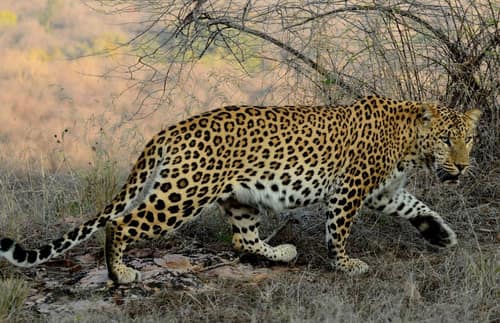
Close Relative (c) Raja bandi, some rights reserved (CC BY), uploaded by Raja bandi · cc-by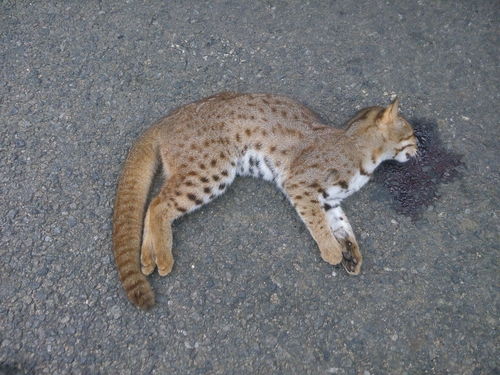
Distant Relative (c) Ashwin Viswanathan, some rights reserved (CC BY), uploaded by Ashwin Viswanathan · cc-by
Help improve the field guideSomething wrong?
Checking your Fauna account…Report a name, category, or profile issue for review.