
Mammal
Southern Lion
Panthera leo melanochaitaAlso known as Southern African Lion, East African Lion, Transvaal Lion, Kalahari Lion
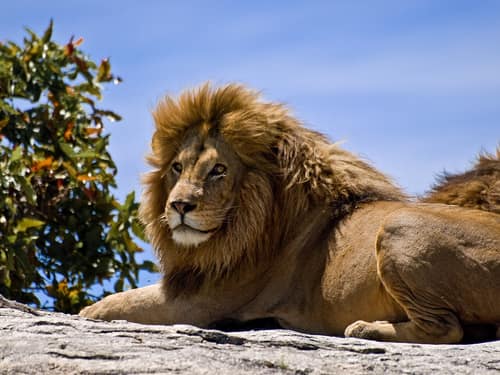
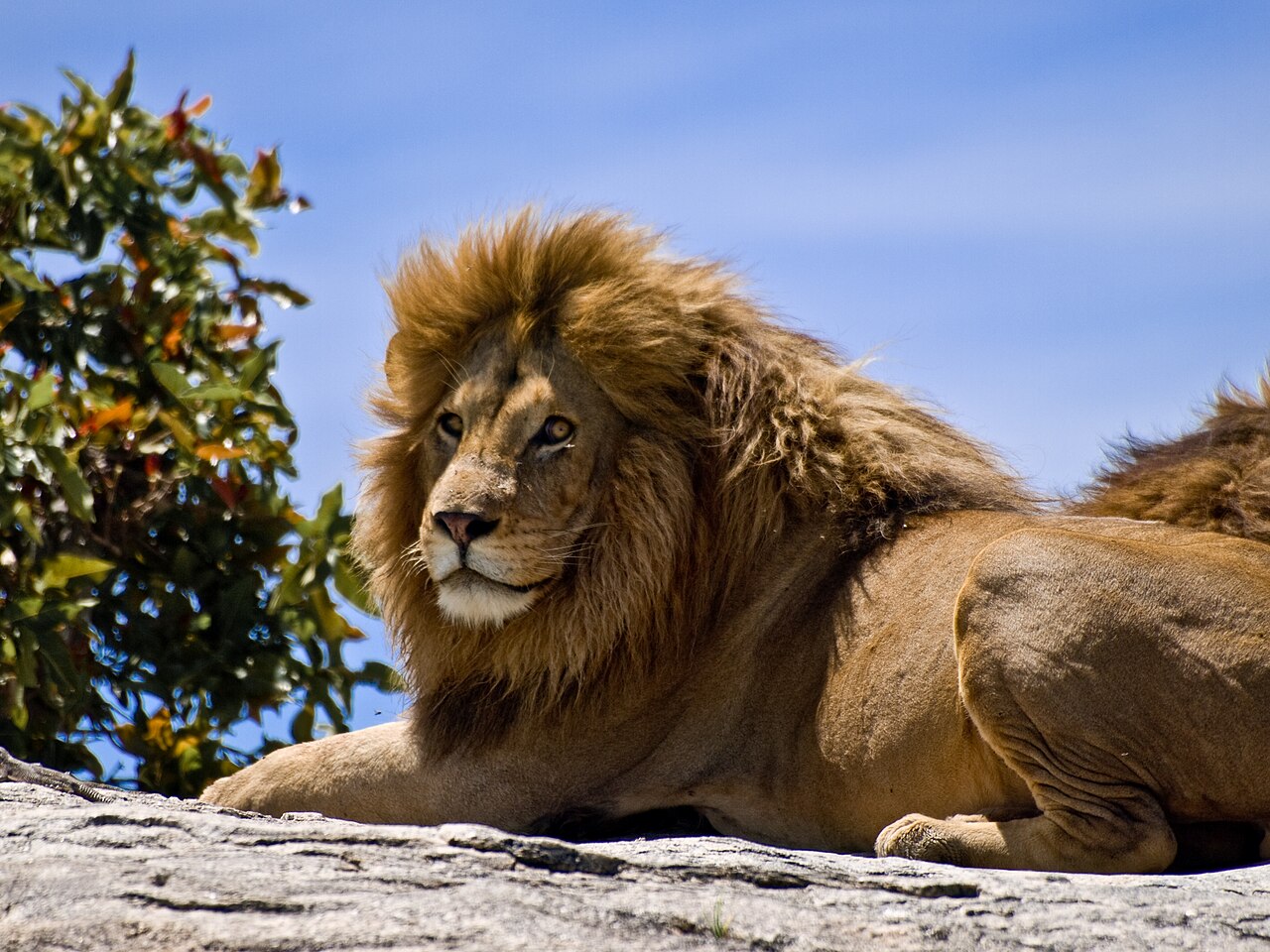
Southern lions are the only truly social felids, living in cohesive prides of related females and cooperative coalitions of dominant males. They spend up to twenty hours a day resting in the shade to conserve energy before embarking on coordinated nocturnal hunts. Their resonant roars can carry for up to eight kilometers, serving to define territory and locate pride members across the vast African savannah.
Apex PredatorSocialNocturnal
—observations
—countries
—peak records
VulnerableConservation statusIUCN Red List categoriesLCNTVUENCREWEXVulnerableRed List categories, explained →
Diet & preyBlue Wildebeest, Plains Zebra, African Buffalo
Predators
- Humans
- Spotted Hyena
- Nile Crocodile
ThreatsHabitat fragmentation, prey depletion, retaliatory killing, and trophy hunting
HabitatsSavannahs, grasslands, open woodlands, and semi-arid deserts
Life span10 to 14 years in the wild
Classification
- FamilyFelidae
- SpeciesPanthera leo melanochaita
Range data is not available yet.
Interaction riskHigh
- Low
- Moderate
- High
- Very high
- Why interaction risk is high
- An apex predator capable of lethal attacks; always observe from the safety of an enclosed safari vehicle.
- Why it is dangerous
- Possesses immense physical strength, powerful jaws, and sharp claws capable of inflicting fatal injuries instantly.
- How to recognize a risky encounter
- Look for a massive sandy-brown cat, with adult males sporting a prominent dark mane around the neck and chest.
- What to do
- Never approach on foot, run away, or make sudden movements; back away slowly if caught outside a vehicle.
- What to notice
- Recognizable by their social pride structure in protected national parks and private game reserves.
- Support conservation
- Support local conservation initiatives and choose ethical safari operators that minimize wildlife disturbance.
Responsible observation
- Vehicle Safety: Remain fully inside your safari vehicle at all times when observing lions in the wild.
- Quiet Observation: Keep voices low to avoid disturbing their natural resting or hunting behaviors.
- Night Etiquette: Avoid using bright white spotlights at night, which can temporarily blind hunting lions.
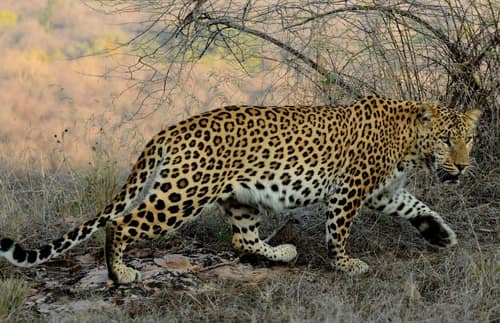
Competitor (c) Raja bandi, some rights reserved (CC BY), uploaded by Raja bandi · cc-by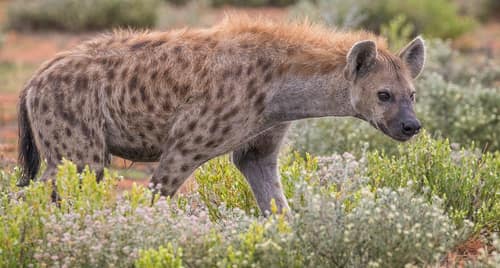
Competitor Charles J. Sharp / CC BY-SA 4.0 · cc-by-sa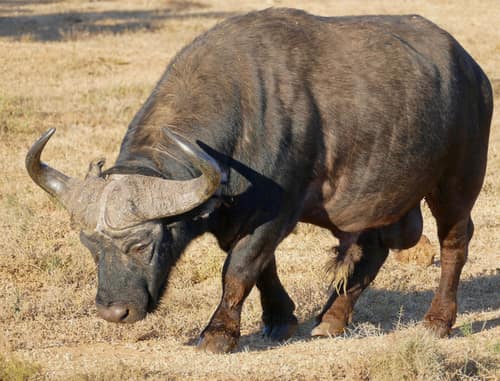
Prey (c) Bernard DUPONT, some rights reserved (CC BY-SA) · cc-by-sa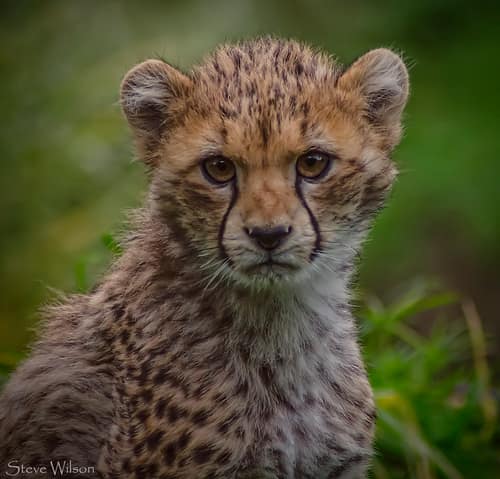
Competitor "Portrait of a Cheetah Cub" by Steve Wilson - over 10 million views Thanks !! is licensed under CC BY 2.0. To view a copy of this license, visit https://creativecommons.org/licenses/by/2.0/. · cc-by
Help improve the field guideSomething wrong?
Checking your Fauna account…Report a name, category, or profile issue for review.