
Mammal
Asiatic Lion
Panthera leo persicaAlso known as Indian Lion, Persian Lion
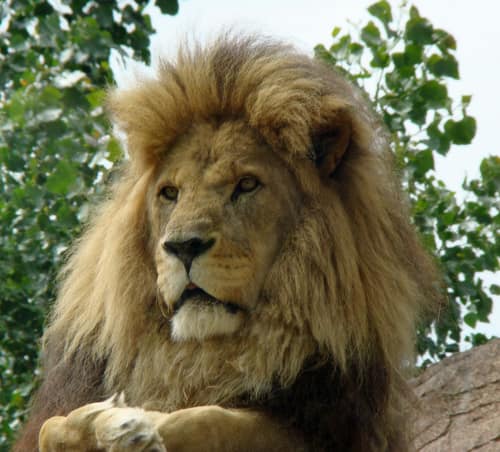
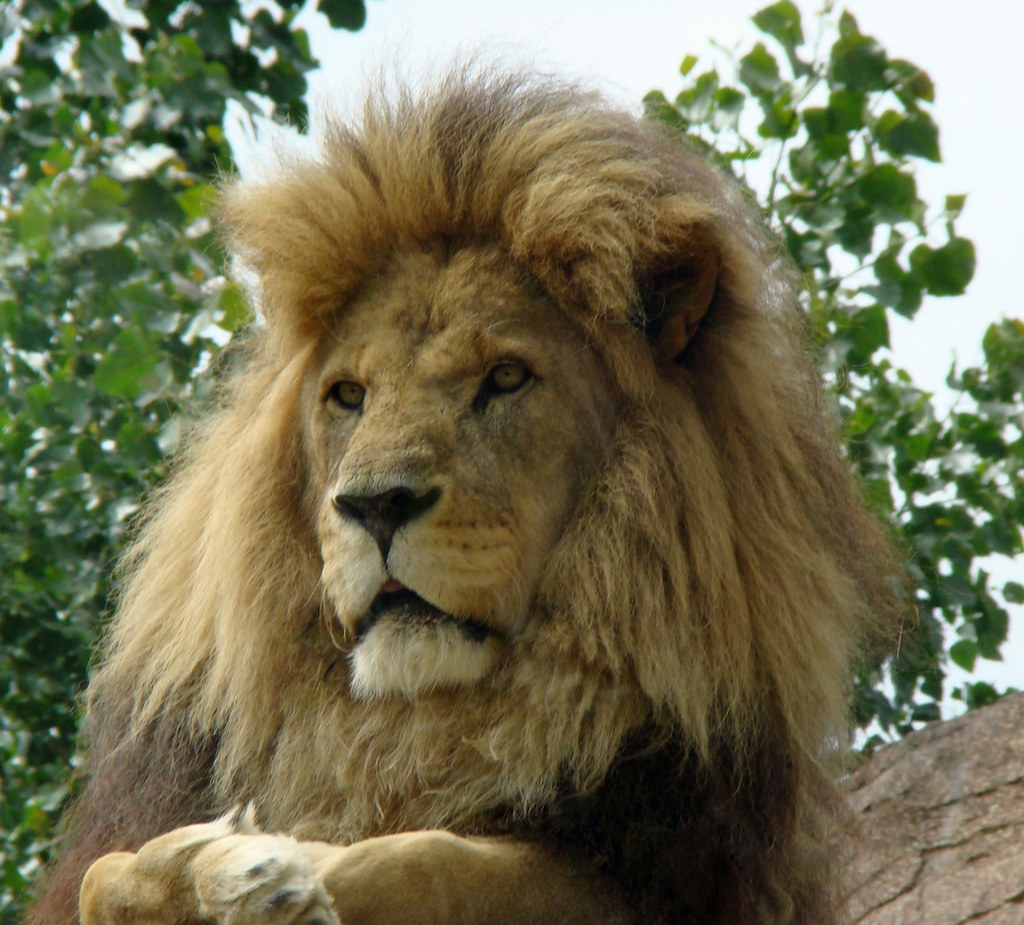
Asiatic lions are majestic social cats distinguished from their African counterparts by a sparser mane on males and a characteristic fold of skin running along their bellies. Living in smaller prides, these apex predators hunt cooperatively in the dry deciduous forests of Gujarat, India. Their survival hinges on a single, highly protected population in the Gir Forest ecosystem.
Apex PredatorSocial
—observations
—countries
—peak records
EndangeredConservation statusIUCN Red List categoriesLCNTVUENCREWEXEndangeredRed List categories, explained →
Diet & preyChital, Sambar Deer, Nilgai
ThreatsInbreeding depression, disease outbreaks, forest fires, poaching, and conflict with local livestock herders
HabitatsDry deciduous forest, teak forest, thorny scrub, and savannah grasslands
Life span16 to 18 years in the wild
Classification
- FamilyFelidae
- SpeciesPanthera leo persica
Native
Interaction riskHigh
- Low
- Moderate
- High
- Very high
- Why interaction risk is high
- A powerful apex predator; observe only from the safety of authorized safari vehicles.
- Why it is dangerous
- Possesses immense physical strength, sharp claws, and powerful jaws capable of inflicting fatal injuries if threatened or cornered.
- How to recognize a risky encounter
- Look for a tawny coat, a prominent fold of skin running along the belly, and a smaller, more sparse mane on males compared to African lions.
- What to do
- Never approach on foot; stay inside closed vehicles and follow the directions of certified park guides.
- What to notice
- Recognizable by their restricted range in Gujarat's Gir Forest and their distinct belly fold.
- Support conservation
- Support local conservation initiatives and stick strictly to designated ecotourism routes to minimize habitat disturbance.
Responsible observation
- Safari Etiquette: Remain inside your designated safari vehicle at all times while exploring Gir National Park.
- Keep Quiet: Avoid making loud noises or sudden movements that could startle or provoke the lions.
- Respect Distance: Use binoculars or telephoto lenses to appreciate their behavior without intruding on their space.
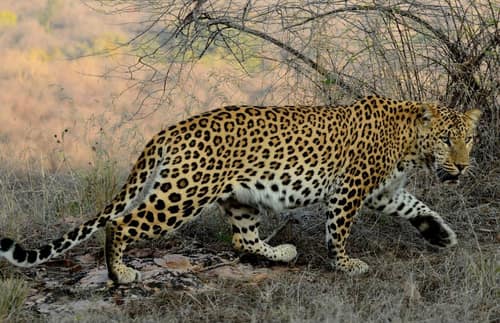
Sympatric Predator (c) Raja bandi, some rights reserved (CC BY), uploaded by Raja bandi · cc-by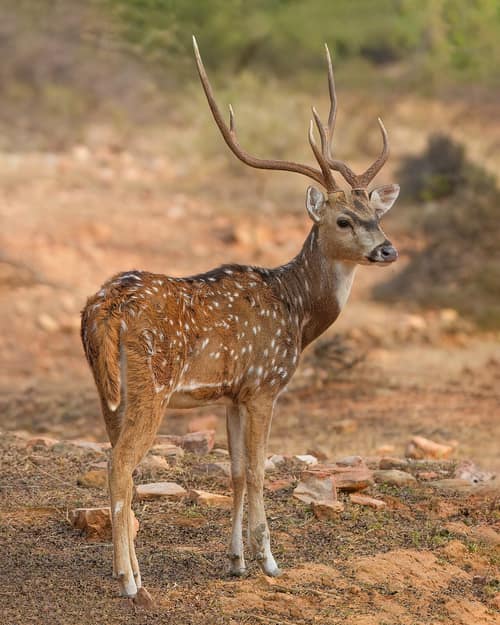
Primary Prey Giles Laurent / CC BY-SA 4.0 · cc-by-sa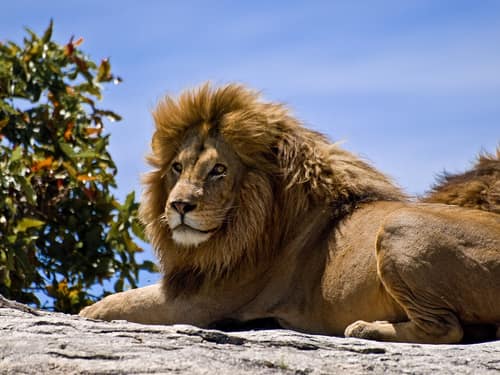
Close Relative wwarby / CC BY 2.0 · cc-by
Help improve the field guideSomething wrong?
Checking your Fauna account…Report a name, category, or profile issue for review.