
Mammal
Hooded Skunk
Mephitis macrouraAlso known as Mexican Skunk
Hooded skunks wear a distinctive cape of soft, long fur around the neck and head that gives them their common name. These nocturnal foragers range across arid brushlands and rocky canyons, using their exceptionally long, bushy tails for balance while hunting insects, small rodents, and desert fruits. When threatened, they stomp their front feet and raise their tail high before discharging a foul-smelling, sulfurous spray from specialized glands.
NocturnalMammalDefensive
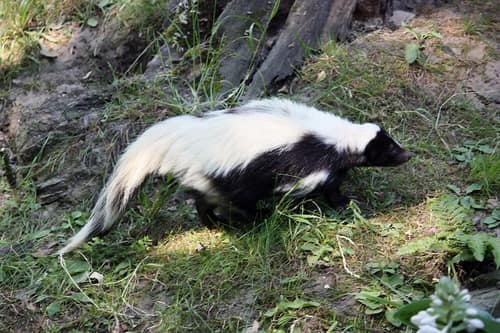
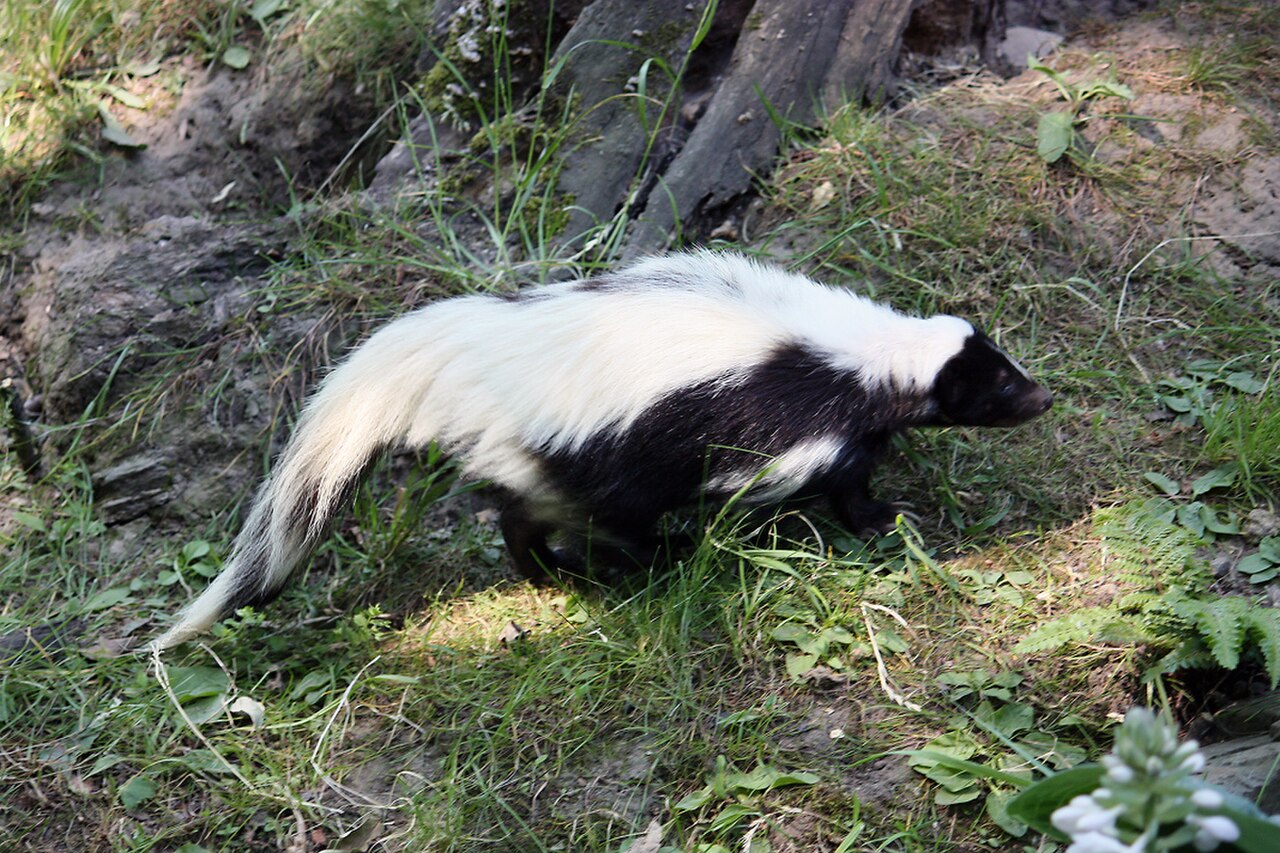
—observations
—countries
—peak records
Least ConcernConservation statusIUCN Red List categoriesLCNTVUENCREWEXLeast ConcernRed List categories, explained →
Diet & preyGrasshoppers, Mice, Cactus Fruit
Predators
- Great Horned Owl
- Coyote
- Red-tailed Hawk
ThreatsVehicle strikes, habitat loss, pest control trapping, infectious diseases
HabitatsArid scrublands, grasslands, desert edges, rocky canyons, stream margins
Life span3–6 years in the wild
Classification
- FamilyMephitidae
- SpeciesMephitis macroura
Native
Interaction riskModerate
- Low
- Moderate
- High
- Very high
- Why interaction risk is moderate
- Can transmit rabies and fires a pungent spray when threatened; observe from a safe distance.
- Why it is dangerous
- Transmits rabies and fires a blinding, foul-smelling spray from anal glands when threatened.
- How to recognize a risky encounter
- Distinguished by an exceptionally long tail and a ruff of longer white or black hair surrounding the neck.
- What to do
- Back away slowly if the animal raises its tail or stomps its feet; give foraging skunks ample space.
Responsible observation
- Watch for Warnings: Stomping feet, a raised bushy tail, and an arched back indicate an imminent spray.
- Keep Dogs Leashed: Curious pets often startle skunks, leading to unpleasant defensive sprays or bites.
- Give Night Distance: Allow foraging skunks plenty of room after dark to avoid triggering defensive behavior.
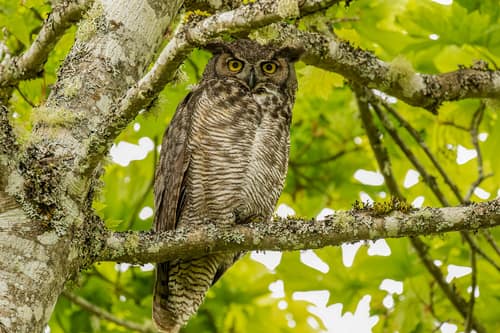
Predator "Great Horned Owl, the first I've seen in decent light this year. Didn't want to disturb it for too long so we continued along the trail" by island deborah- is licensed under CC BY-SA 2.0. To view a copy of this license, visit https://creativecommons.org/licenses/by-sa/2.0/. · cc-by-sa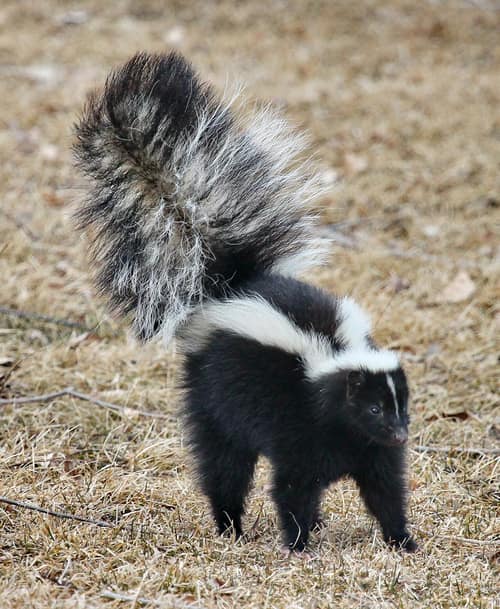
Close Relative Wallace Keck / Public domain · cc0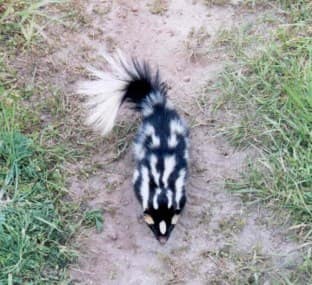
Co-occurring Relative NPS / Public domain · cc0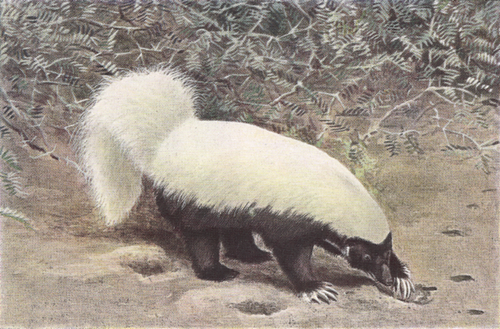
Co-occurring Relative en:Louis Agassiz Fuertes. / Public domain · cc0
Help improve the field guideSomething wrong?
Checking your Fauna account…Report a name, category, or profile issue for review.