
Mammal
Kit Fox
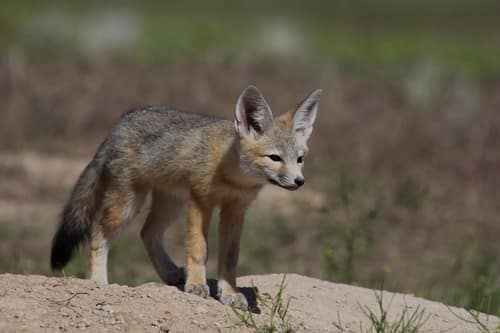
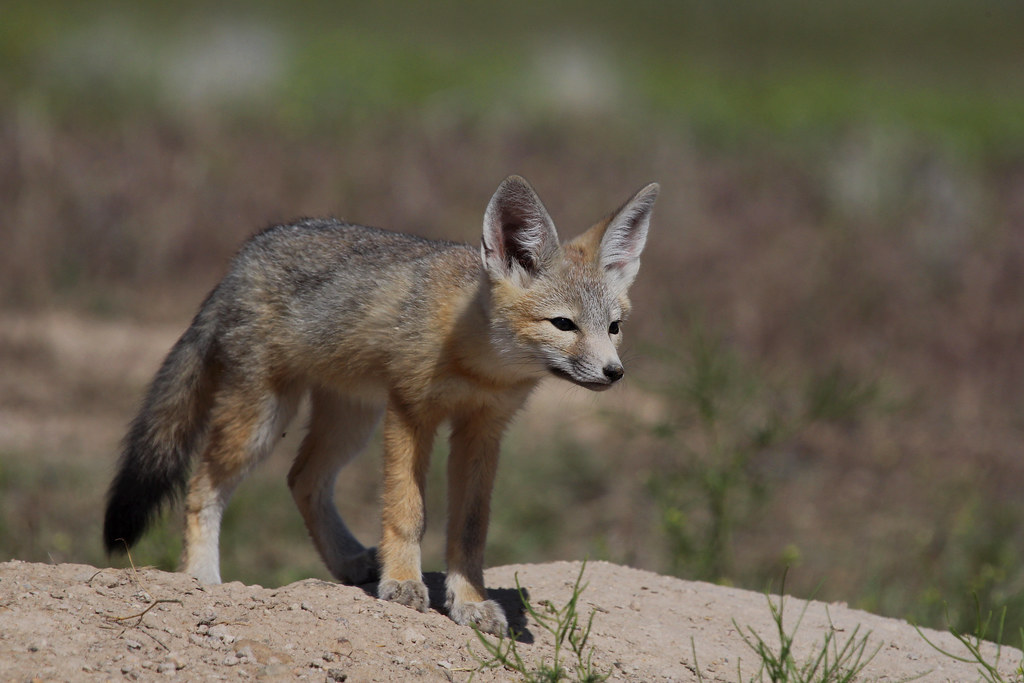
Vulpes macrotisKit foxes are nocturnal desert hunters that rely on their oversized, blood-vessel-rich ears both to radiate excess heat and to locate the subtle scuffling of rodents beneath the sand. Mated pairs maintain extensive underground den complexes with multiple escape entrances across open scrublands, moving between burrows year-round to evade coyotes and parasites. Exceptionally light footfalls on fur-cushioned paw pads allow them to sprint silently across loose desert soils at surprising speeds.
NocturnalDesertCanid
—observations
—countries
—peak records
Least ConcernConservation statusIUCN Red List categoriesLCNTVUENCREWEXLeast ConcernRed List categories, explained →
Diet & preyOrd's Kangaroo Rat, Desert Cottontail, Grasshopper
Predators
- Coyote
- Bobcat
- Golden Eagle
ThreatsHabitat loss from agriculture and urban growth, rodenticide toxicity, vehicle strikes, and coyote predation
HabitatsArid scrublands, alkali flats, desert washes, and sagebrush plains
Life span5–8 years in the wild (up to 14 years in captivity)
Classification
- FamilyCanidae
- SpeciesVulpes macrotis
Native
Interaction riskModerate
- Low
- Moderate
- High
- Very high
- Why interaction risk is moderate
- Can bite defensively if handled and can carry rabies; observe from a respectful distance.
- Why it is dangerous
- Can inflict painful puncture wounds when cornered and carries potential risk of rabies transmission.
- How to recognize a risky encounter
- Recognized by a sandy-gray coat, black tail tip, and extraordinarily large triangular ears.
- What to do
- Never corner, chase, or attempt to handle a wild canid; back away and admire through optics.
Responsible observation
- Viewing Hours: Scan desert wash margins and dirt tracks with a red-filtered spotlight after dusk.
- Den Etiquette: Maintain at least 50 meters from active burrows to avoid disturbing resting adults and pups.
- Driving Caution: Slow down on unpaved desert roads at night, as foraging foxes frequently cross roadsides.
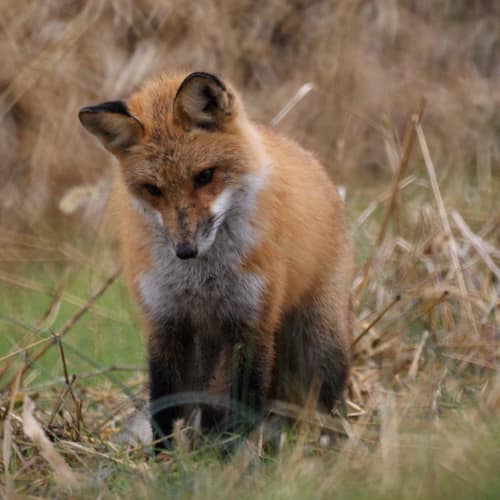
Same Genus "Red Fox" by Mike's Birds is licensed under CC BY-SA 2.0. To view a copy of this license, visit https://creativecommons.org/licenses/by-sa/2.0/. · cc-by-sa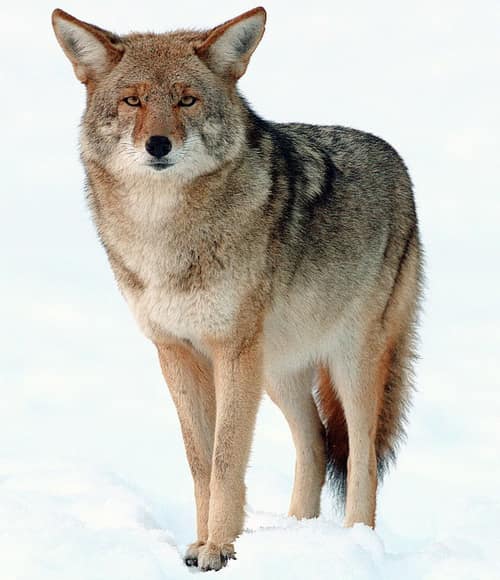
Predator Yathin S Krishnappa / CC BY-SA 3.0 · cc-by-sa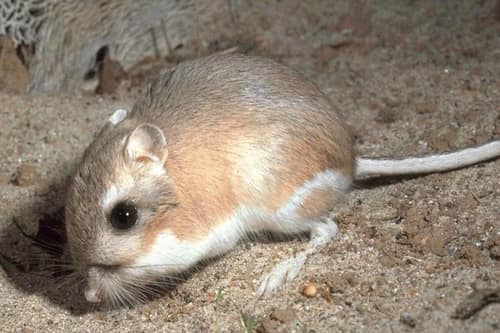
Prey Wikimedia Commons / Public domain · cc0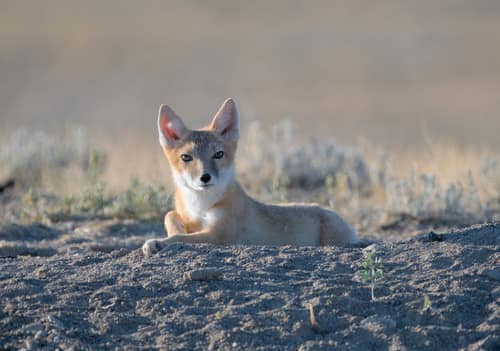
Close Relative (c) Spencer Hurt, some rights reserved (CC BY) · cc-by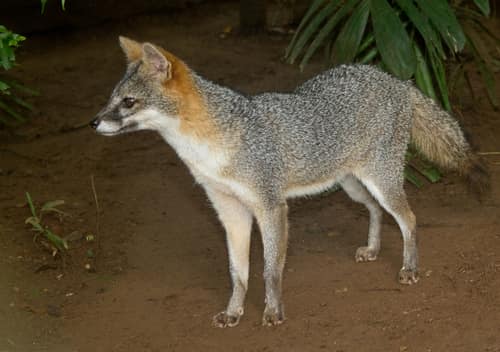
Same Family (c) Brian Gratwicke, some rights reserved (CC BY) · cc-by
Help improve the field guideSomething wrong?
Checking your Fauna account…Report a name, category, or profile issue for review.