
Mammal
Arctic Fox
Vulpes lagopusAlso known as White Fox, Polar Fox, Snow Fox
Arctic foxes endure some of the coldest conditions on Earth, wrapping their dense, bushy tails around their faces to seal in heat during polar blizzards. Their thick fur changes color with the seasons, shifting from bright snow-white in winter to dark brownish-grey in summer for seamless tundra camouflage. Relying heavily on boom-and-bust cycles of lemming populations, these resilient survivors frequently track polar bears across sea ice to scavenge leftover kills.
Seasonal CamouflageArctic TundraMammal
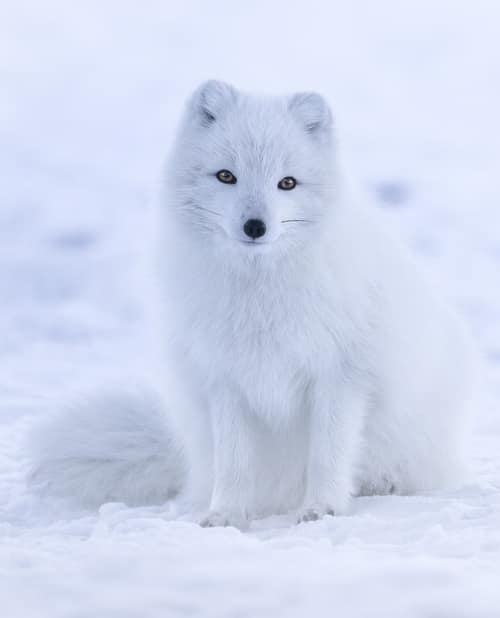
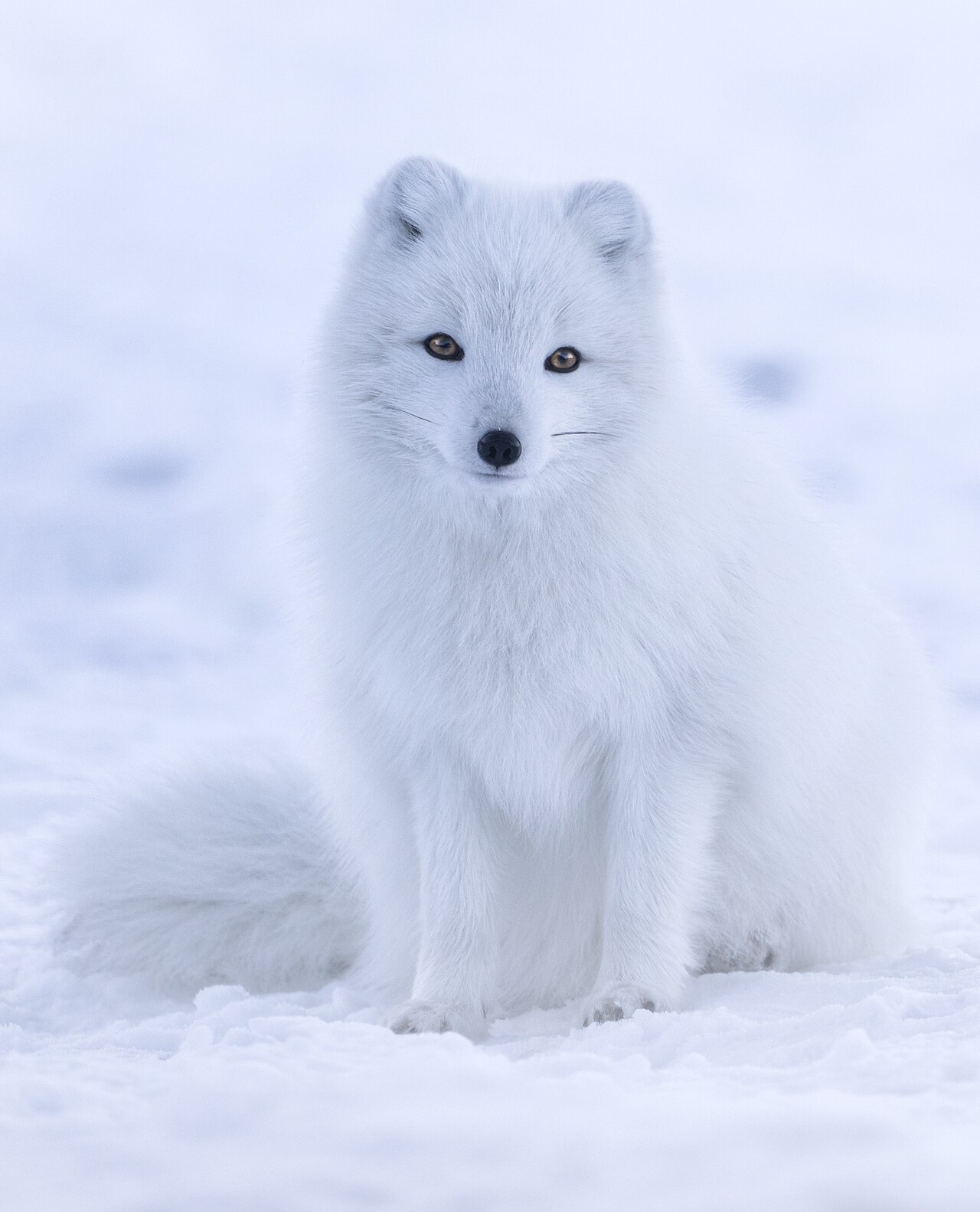
—observations
—countries
—peak records
Least ConcernConservation statusIUCN Red List categoriesLCNTVUENCREWEXLeast ConcernRed List categories, explained →
Diet & preyBrown Lemming, Rock Ptarmigan, Ringed Seal Carrion
Predators
- Polar Bear
- Golden Eagle
- Wolverine
ThreatsClimate change, habitat alteration, competition from red foxes
HabitatsArctic tundra, coastal shorelines, sea ice
Life span3–6 years in the wild (up to 11 years)
Classification
- OrderCarnivora
- FamilyCanidae
- GenusVulpes
- SpeciesVulpes lagopus
Native
Interaction riskModerate
- Low
- Moderate
- High
- Very high
- Why interaction risk is moderate
- Capable of delivering a sharp bite if cornered or handled; maintain a respectful distance.
- Why it is dangerous
- Can deliver a painful bite with sharp canine teeth when cornered or defending a den site.
- How to recognize a risky encounter
- Recognizable by small rounded ears, short muzzle, compact body, and bushy tail.
- What to do
- Never corner, touch, or feed wild foxes; back away slowly if one approaches.
Responsible observation
- Observe from Distance: Avoid approaching dens or feeding individuals to prevent stress and habituation.
- Secure Supplies: Store food and trash in sealed containers when camping in tundra environments.
- Watch Seasonal Changes: Look for transitioning fur coats during late spring and early autumn.
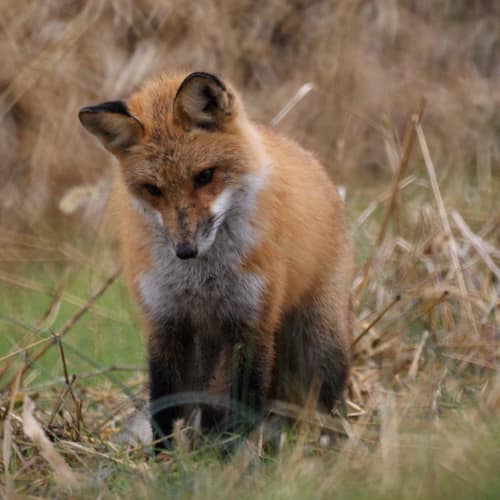
Competitor "Red Fox" by Mike's Birds is licensed under CC BY-SA 2.0. To view a copy of this license, visit https://creativecommons.org/licenses/by-sa/2.0/. · cc-by-sa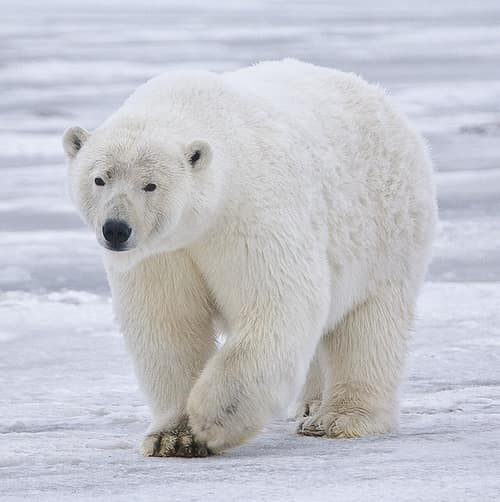
Scavenging Host Alan Wilson / CC BY-SA 3.0 · cc-by-sa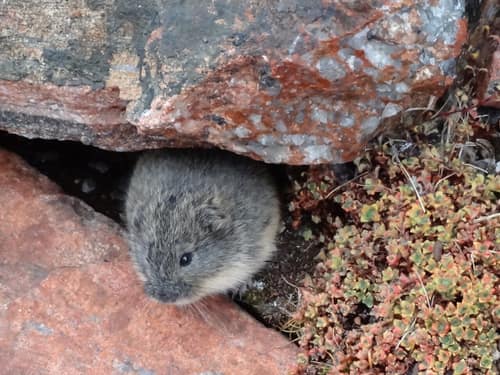
Primary Prey Robert McLeod / CC0 · cc0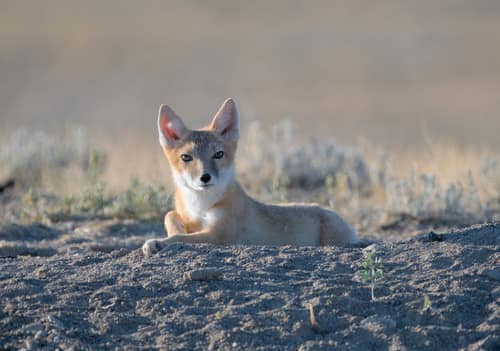
Close Relative (c) Spencer Hurt, some rights reserved (CC BY) · cc-by
Help improve the field guideSomething wrong?
Checking your Fauna account…Report a name, category, or profile issue for review.