
Mammal
Gray Wolf
Canis lupusAlso known as Timber Wolf, Western Wolf
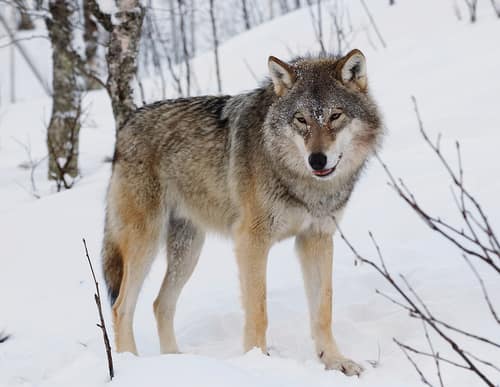
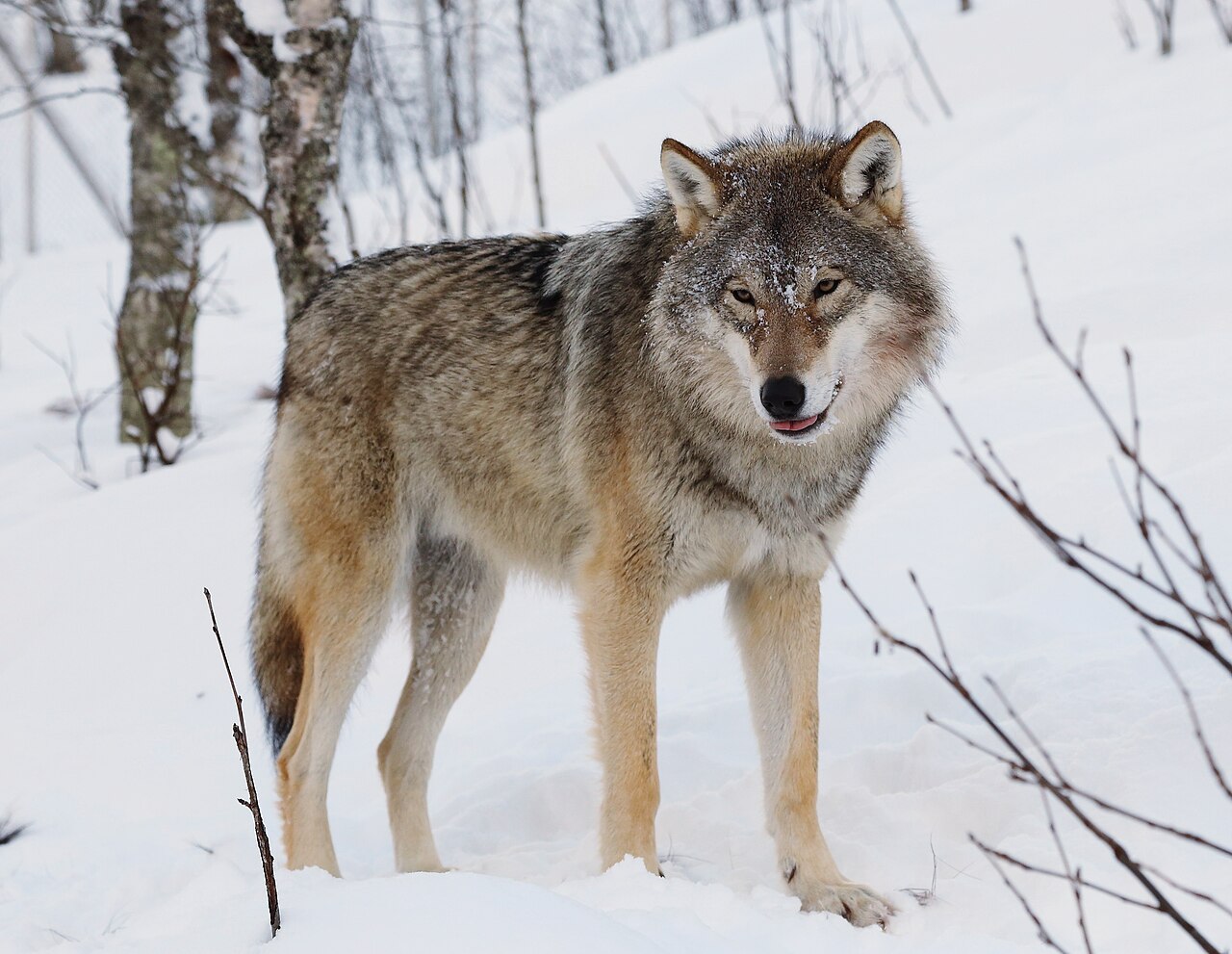
Grey wolves live in highly organized social packs led by a breeding pair, using complex vocalizations, body language, and scent marking to coordinate hunting and maintain territory. Their thick double coats provide insulation against extreme cold, while broad paws distribute weight over snow crusts during long winter chases. As apex predators, packs play a critical role in structuring northern ecosystems by keeping ungulate populations in check.
Apex PredatorPack HunterMammal
—observations
—countries
—peak records
Least ConcernConservation statusIUCN Red List categoriesLCNTVUENCREWEXLeast ConcernRed List categories, explained →
Diet & preyElk, Moose, White-tailed Deer
Predators
- Humans
- Grizzly Bears
- Siberian Tigers
ThreatsHabitat Fragmentation, Human Persecution, Poaching
HabitatsForests, Tundra, Taiga, Grasslands, Mountains
Life span6–8 years in wild
Classification
- OrderCarnivora
- FamilyCanidae
- GenusCanis
- SpeciesCanis lupus
Native
Interaction riskHigh
- Low
- Moderate
- High
- Very high
- Why interaction risk is high
- Maintain a safe distance and never approach, feed, or corner wild wolves.
- Why it is dangerous
- Wolves possess powerful jaw strength and hunting capabilities that present serious risk if animals are cornered, habituated, or protecting offspring.
- How to recognize a risky encounter
- Large legs, broad snout, rounded ears, and tail held straight, clearly bigger than any coyote.
- What to do
- Stand tall, raise arms, make loud noises, and slowly back away without turning your back or running.
- What to notice
- Note track patterns with large four-toed prints and claw marks, distinctly larger than standard coyote prints.
- Support conservation
- Avoid disclosing precise location coordinates of active wolf dens or rendezvous sites on social media.
Responsible observation
- Maintain Distance: Observe packs from a distance of at least 100 meters using optics.
- Keep Food Secure: Pack out all waste and store food in bear-proof containers to prevent habituation.
- Control Dogs: Keep pets on leashes in wolf habitat to prevent territorial confrontations.
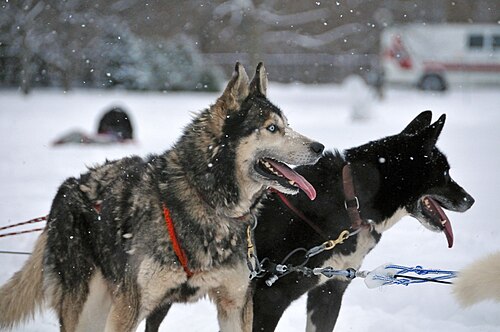
Subspecies M. Rehemtulla / CC BY 2.0 · cc-by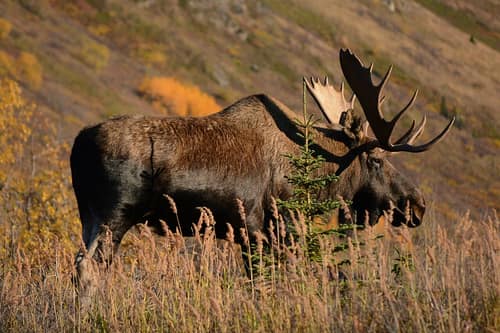
Prey Paxson Woelber / CC BY-SA 4.0 · cc-by-sa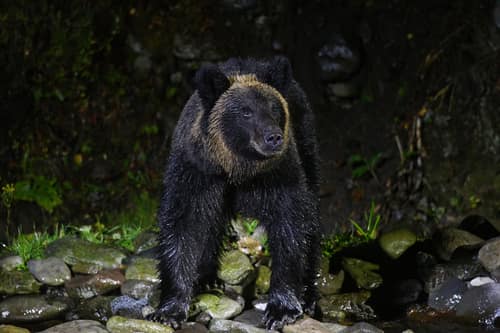
Competitor (c) Nathan Ruser, some rights reserved (CC BY), uploaded by Nathan Ruser · cc-by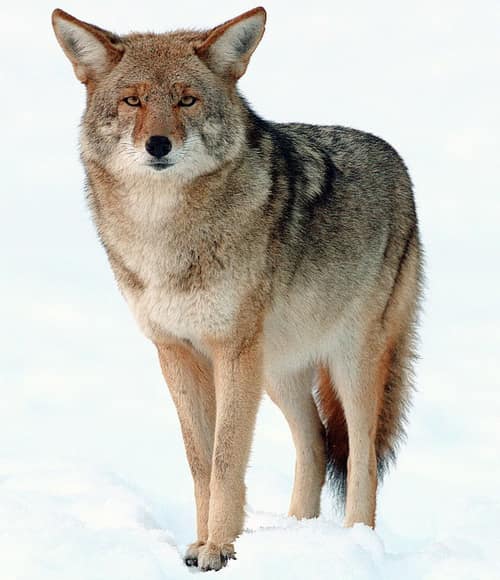
Close Relative Yathin S Krishnappa / CC BY-SA 3.0 · cc-by-sa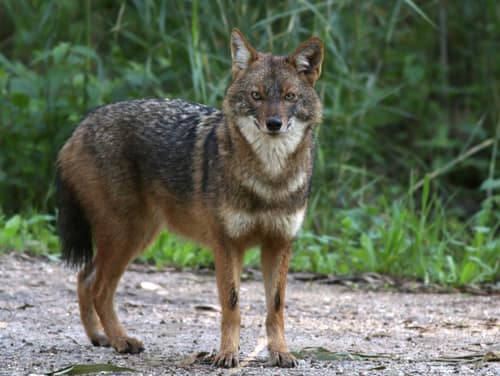
Close Relative (c) Jan Ebr & Ivana Ebrová, some rights reserved (CC BY), uploaded by Jan Ebr & Ivana Ebrová · cc-by
Keep collecting in Fauna
Found in Collections
Ecosystem chain
The Forest Floor
Gray Wolf is found in this collection. Identify it in Fauna to fill this slot and continue your progress.
—/12
Help improve the field guideSomething wrong?
Checking your Fauna account…Report a name, category, or profile issue for review.