
Mammal
Cozumel Raccoon
Procyon pygmaeusAlso known as Pygmy Raccoon, Dwarf Raccoon, Cozumel Island Raccoon, Cozumel Raccoon Bear
Cozumel raccoons are diminutive island endemics, weighing only about half as much as their mainland relatives. They navigate mangrove swamps and sandy beaches, foraging primarily at night for crabs and fruit. These highly social carnivores face severe threats from habitat loss and introduced predators on their single-island home.
NocturnalEndemicMammal
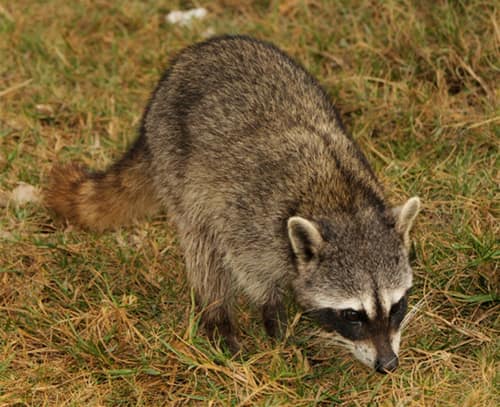
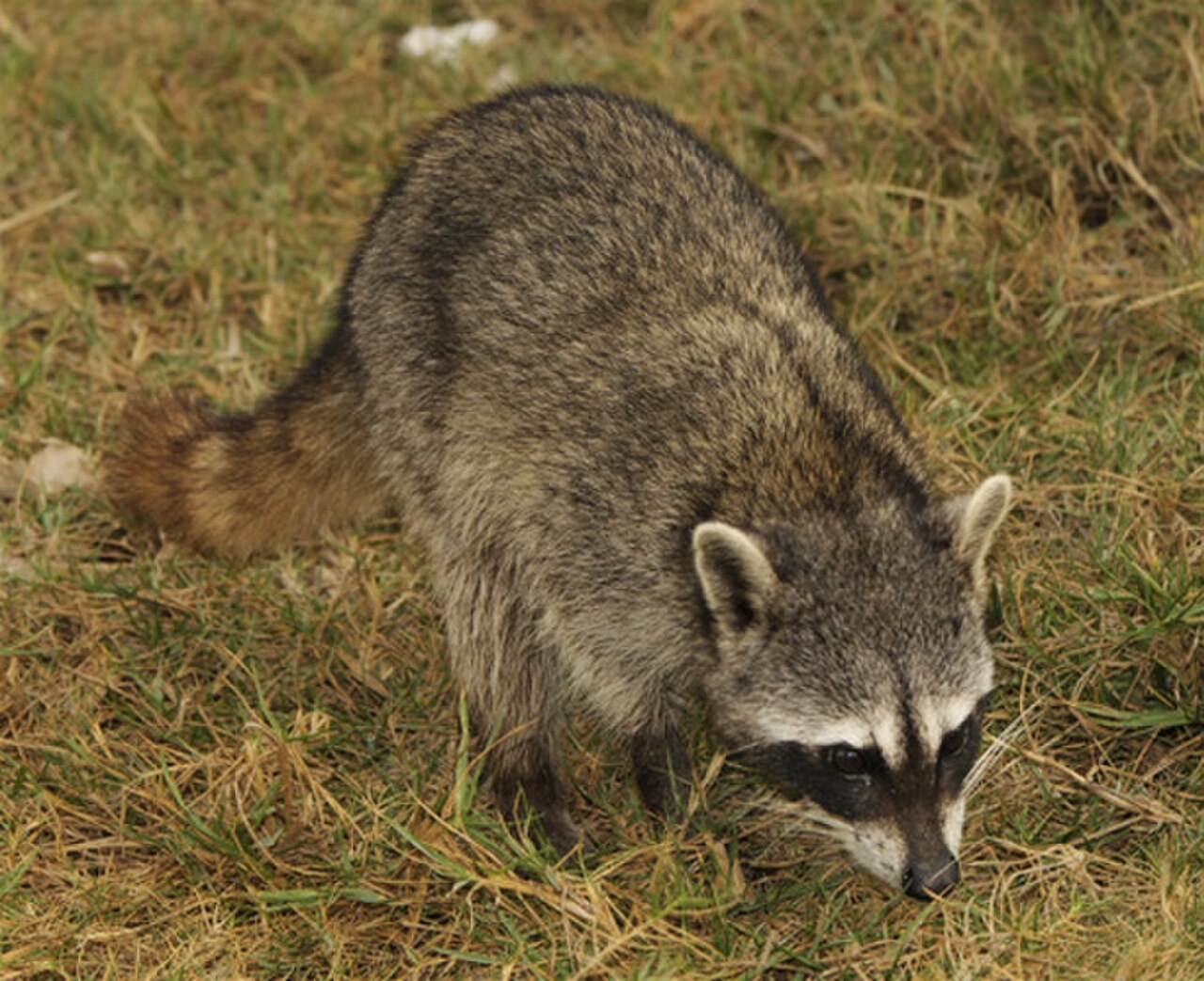
—observations
—countries
—peak records
Critically EndangeredConservation statusIUCN Red List categoriesLCNTVUENCREWEXCritically EndangeredRed List categories, explained →
Diet & preyCrabs, Insects, Wild Fruits
Predators
- Feral Dogs
- Boa Constrictors
- Large Birds of Prey
ThreatsHabitat destruction, introduced predators, hurricanes, disease transmission from domestic pets
HabitatsMangrove forests, sandy beaches, semi-deciduous forests
Life span10 to 14 years in the wild
Classification
- FamilyProcyonidae
- SpeciesProcyon pygmaeus
Native
Interaction riskModerate
- Low
- Moderate
- High
- Very high
- Why interaction risk is moderate
- Can bite or scratch if cornered and may carry pathogens; observe from a safe distance.
- Why it is dangerous
- Capable of delivering a painful bite or scratch when cornered, and can transmit rabies or roundworm.
- How to recognize a risky encounter
- Look for a small raccoon with a broad black throat band and golden-yellow tail stripes.
- What to do
- Never corner, touch, or feed them; back away slowly if one approaches.
- What to notice
- Distinguished by its tiny size, weighing under 4 kilograms, and its restricted range on Cozumel Island.
- Support conservation
- Report sightings to local conservation groups and strictly avoid disturbing their nesting or foraging areas.
Responsible observation
- Keep your distance: Do not approach or attempt to feed these raccoons, as they can become habituated and aggressive.
- Secure food and trash: Keep all food items sealed when visiting Cozumel's beaches to prevent attracting them.
- Drive carefully: Watch for them crossing coastal roads, especially around dusk and dawn.
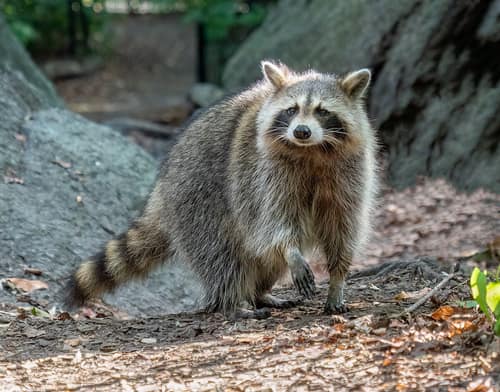
Close Relative Rhododendrites / CC BY-SA 4.0 · cc-by-sa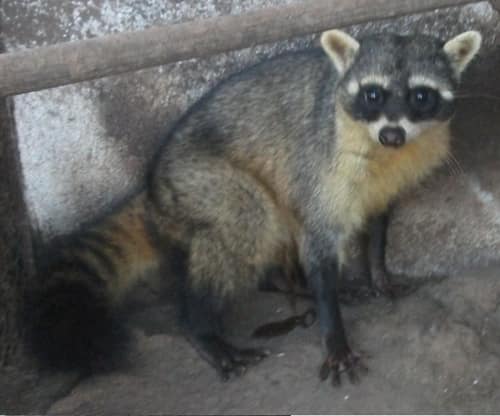
Close Relative Melisa Banchero / CC BY-SA 4.0 · cc-by-sa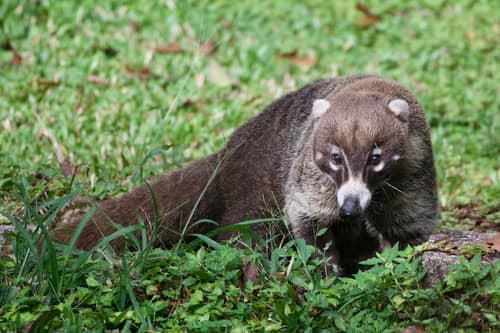
Family Member no rights reserved, uploaded by Dario Taraborelli · cc0
Help improve the field guideSomething wrong?
Checking your Fauna account…Report a name, category, or profile issue for review.