
Mammal
Common Raccoon
Procyon lotorAlso known as North American Raccoon, Northern Raccoon, Coon
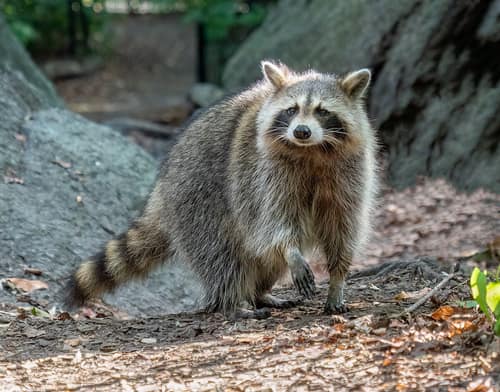
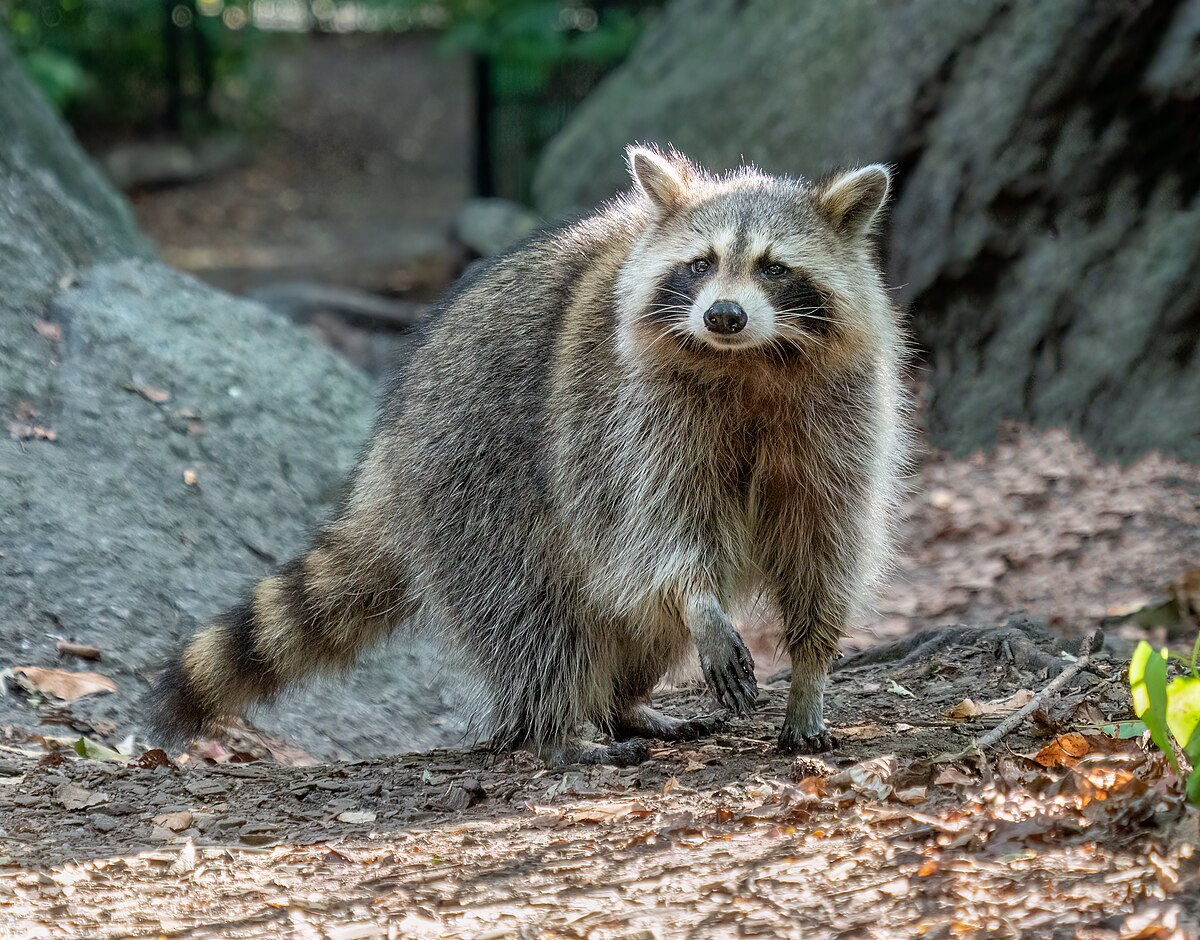
Common raccoons navigate dark woodlands and bustling city streets with equal ease, relying on hyper-sensitive forepaws that become even more tactile when wet. These resourceful omnivores douse food in water to soften the calloused skin on their paw pads and enhance sensory feedback before eating. Mothers raise litters of four to five kits in hollow trees or attic spaces, passing down complex problem-solving skills that persist for years.
NocturnalOmnivoreAdaptable
—observations
—countries
—peak records
Least ConcernConservation statusIUCN Red List categoriesLCNTVUENCREWEXLeast ConcernRed List categories, explained →
Diet & preyCrayfish, Acorns, Mice
Predators
- Coyote
- Cougar
- Great Horned Owl
ThreatsVehicle collisions, trapping, hunting, viral diseases like rabies
HabitatsDeciduous forests, wetlands, marshes, agricultural land, urban areas
Life span2–3 years in the wild; up to 16 years
Classification
- OrderCarnivora
- FamilyProcyonidae
- GenusProcyon
- SpeciesProcyon lotor
Native Introduced
Native range in olive; established introduced range in rust.
Interaction riskModerate
- Low
- Moderate
- High
- Very high
- Why interaction risk is moderate
- Can carry rabies and defend themselves when cornered; maintain distance and never feed by hand.
- Why it is dangerous
- Raccoons are a primary vector for rabies in North America and shed Baylisascaris procyonis roundworm eggs in feces, posing severe health risks.
- How to recognize a risky encounter
- Recognized by a dark facial mask over the eyes, black-ringed bushy tail, and grey fur coat.
- What to do
- Observe from a distance, keep pets vaccinated, and never approach daylight wanderers displaying disorientation.
Responsible observation
- Secure Trash: Keep outdoor garbage cans tightly sealed with latches or heavy lids to deter nocturnal visits.
- Give Space: Avoid cornering wild individuals, especially mothers traveling with young kits.
- Pet Protection: Feed domestic pets indoors and lock pet doors at night to prevent unwanted encounters.
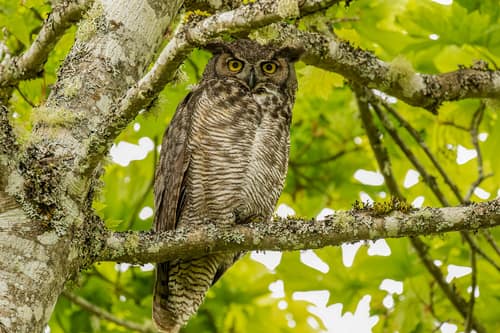
Predator "Great Horned Owl, the first I've seen in decent light this year. Didn't want to disturb it for too long so we continued along the trail" by island deborah- is licensed under CC BY-SA 2.0. To view a copy of this license, visit https://creativecommons.org/licenses/by-sa/2.0/. · cc-by-sa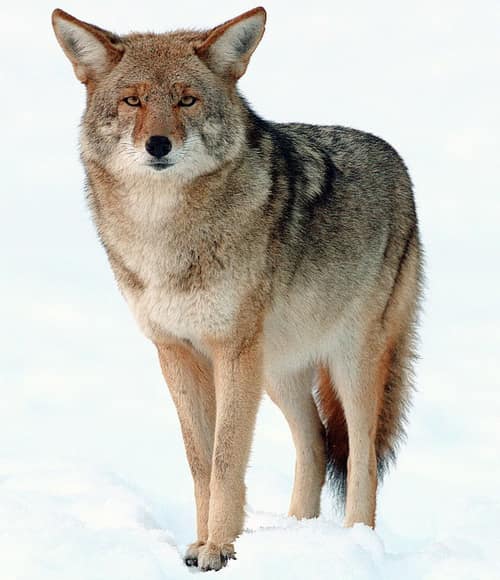
Competitor Yathin S Krishnappa / CC BY-SA 3.0 · cc-by-sa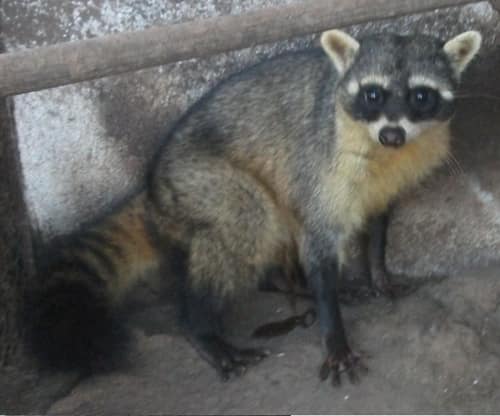
Close Relative Melisa Banchero / CC BY-SA 4.0 · cc-by-sa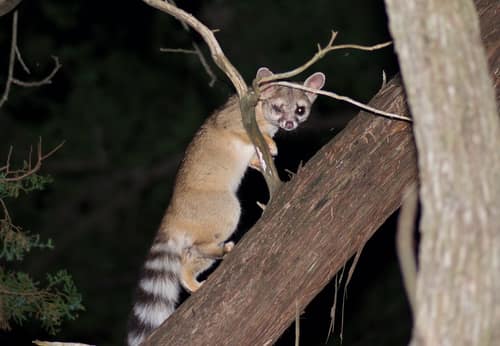
Close Relative (c) Michelle W. (鍾偉瑋), some rights reserved (CC BY), uploaded by Michelle W. (鍾偉瑋) · cc-by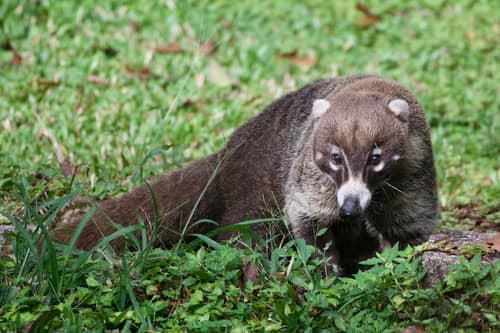
Close Relative no rights reserved, uploaded by Dario Taraborelli · cc0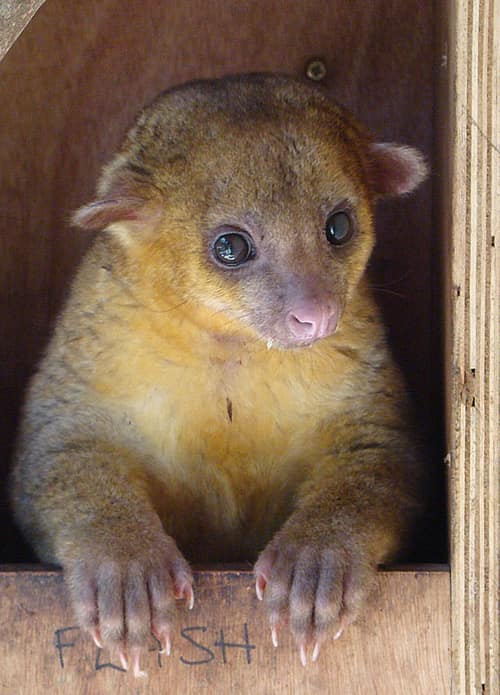
Close Relative Dick Culbert from Gibsons, B.C., Canada / CC BY 2.0 · cc-by
Keep collecting in Fauna
Found in Collections
Species set
Urban Dwellers
Common Raccoon is found in this collection. Identify it in Fauna to fill this slot and continue your progress.
—/7
Help improve the field guideSomething wrong?
Checking your Fauna account…Report a name, category, or profile issue for review.