
Species
Japanese Eel
Anguilla japonicaAlso known as Nihon Unagi, Japanese Freshwater Eel
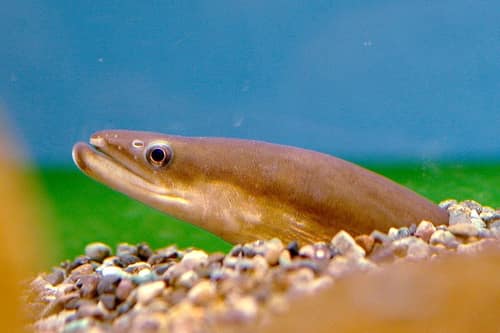
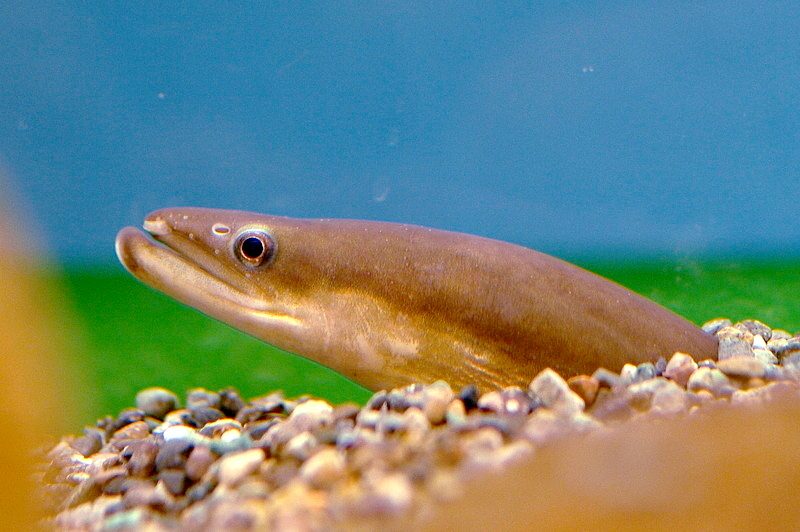
Japanese eels embark on an extraordinary multi-thousand-kilometer journey from their freshwater river homes to spawn in the deep waters near the Mariana Trench. Their slender, snake-like bodies are coated in a protective mucus layer that allows them to travel overland through wet grass to bypass river obstacles. As they mature from translucent glass eels into dark, silver-bellied adults, they play a vital role as nocturnal predators in East Asian river ecosystems.
CatadromousMigratory
—observations
—countries
—peak records
EndangeredConservation statusIUCN Red List categoriesLCNTVUENCREWEXEndangeredRed List categories, explained →
Diet & preyFreshwater shrimp, Aquatic insects, Small crabs
Predators
- Large predatory fish
- Herons
- Humans
ThreatsOverfishing of glass eels, river dams blocking migration, and habitat loss
HabitatsRivers, estuaries, lakes, and deep ocean spawning grounds
Life span5 to 15 years
Classification
- FamilyAnguillidae
- SpeciesAnguilla japonica
Range data is not available yet.
Interaction riskLow
- Low
- Moderate
- High
- Very high
- Why interaction risk is low
- Can deliver a sharp bite if handled; observe from a safe distance without touching.
- What to notice
- Look for a snake-like body with a continuous dorsal, caudal, and anal fin, typically dark olive to silver-grey.
- Support conservation
- Avoid disturbing migrating eels, support river restoration projects, and never harvest wild individuals.
Responsible observation
- Nighttime Spotting: Use a red-light flashlight to observe these nocturnal hunters foraging along riverbanks without startling them.
- Support Conservation: Avoid purchasing wild-caught glass eels or uncertified eel products to help reduce pressure on wild populations.
- Report Sightings: Document any encounters in local waterways on citizen science platforms to assist researchers tracking their range.
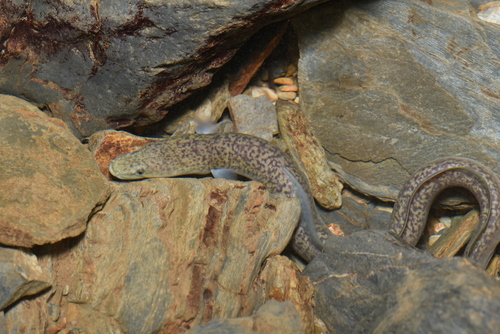
Competitor (c) Yung-Lun Lin, some rights reserved (CC BY) · cc-by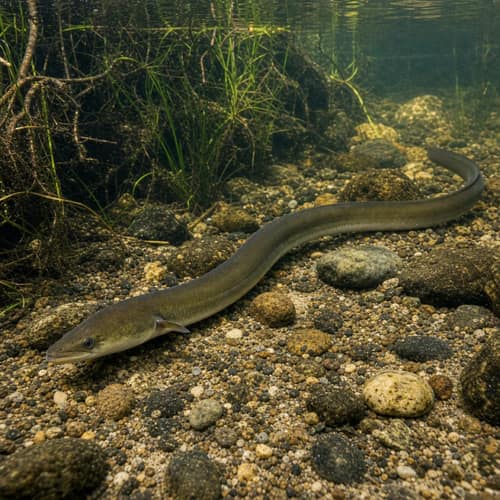
Close Relative Bernard Dupont / CC BY-SA 2.0 · CC BY-SA 2.0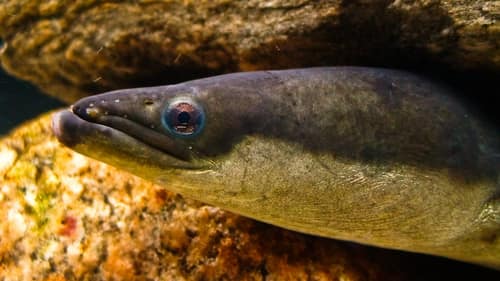
Close Relative USFWS / CC BY 2.0 · CC BY 2.0
Help improve the field guideSomething wrong?
Checking your Fauna account…Report a name, category, or profile issue for review.