
Species
Red Saddleback Anemonefish
Amphiprion ephippiumAlso known as Saddle Anemonefish, Blackbacked Anemonefish, Red Saddleback Clownfish
Red saddleback anemonefish live in strict hierarchical groups within the protective tentacles of host anemones, where a dominant breeding pair rules over smaller non-breeding males. Juveniles start life with a white head bar that gradually disappears, leaving adults with a striking reddish-orange body accented by a prominent black saddle on their flanks. These bold defenders actively guard their host anemone, charging at intruders many times their size to protect their home.
MarineTerritorialSymbiotic
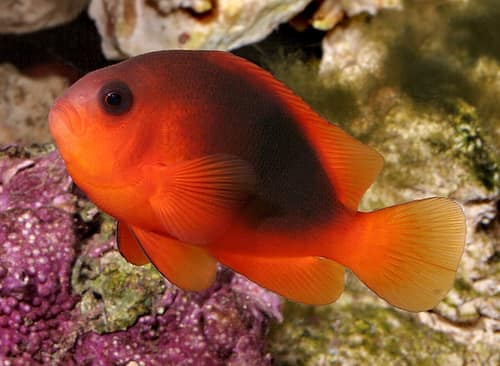
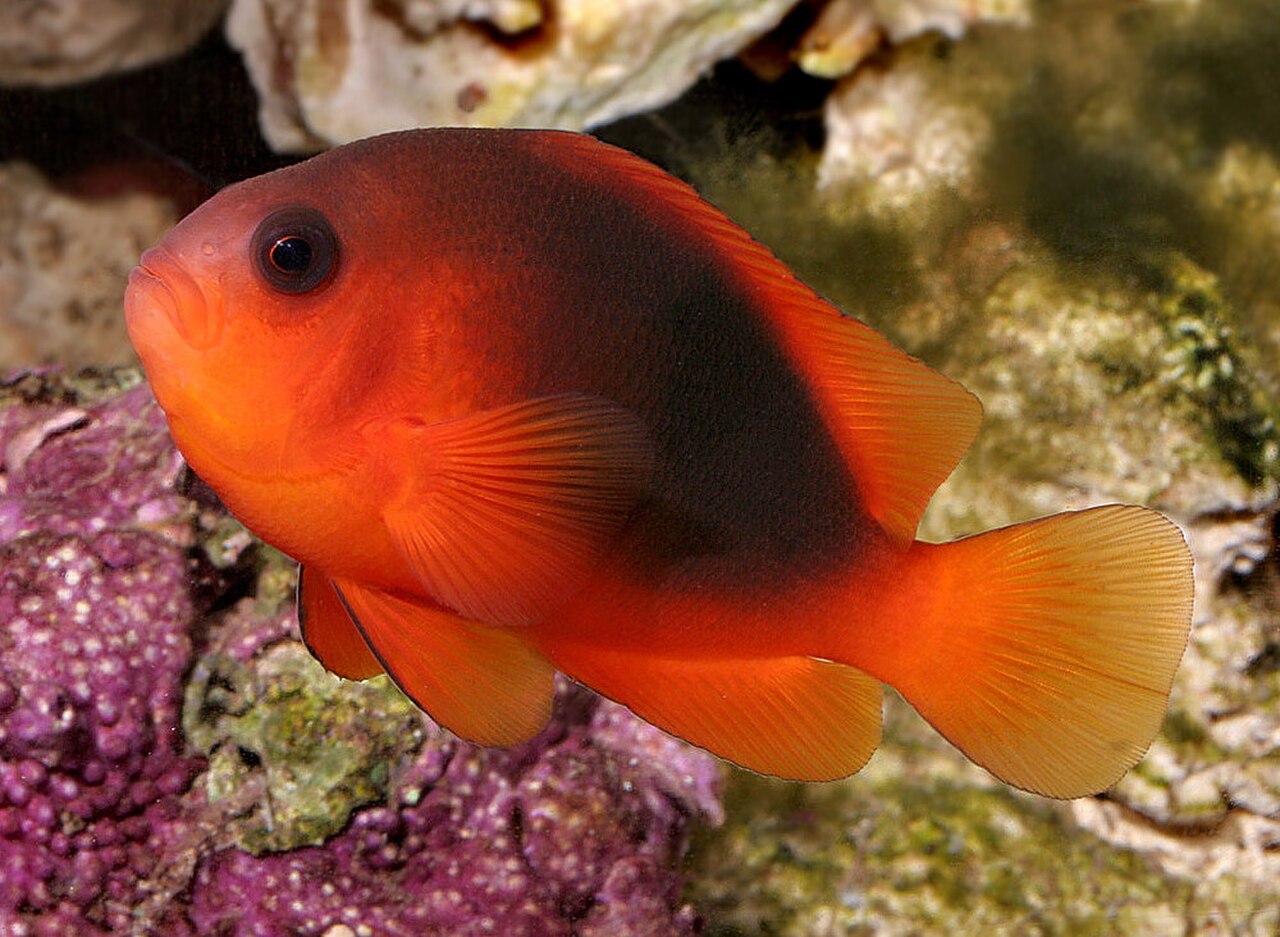
—observations
—countries
—peak records
Least ConcernConservation statusIUCN Red List categoriesLCNTVUENCREWEXLeast ConcernRed List categories, explained →
Diet & preyCopepods, Algae, Tunicates
Predators
- Groupers
- Moray eels
- Snappers
ThreatsHabitat degradation, coral bleaching, and collection for the aquarium trade
HabitatsCoral reefs and shallow lagoons harboring host sea anemones
Life span6 to 10 years in the wild
Classification
- FamilyPomacentridae
- SpeciesAmphiprion ephippium
Range data is not available yet.
Interaction riskLow
- Low
- Moderate
- High
- Very high
- Why interaction risk is low
- Safe to observe at a normal distance.
Responsible observation
- Approach slowly: Snorkelers can get close to host anemones by moving gently without making sudden gestures.
- Watch for territoriality: Observe the dominant female darting forward to defend her perimeter if you get too close.
- Look for the saddle: Identify adults by the large black patch on the rear half of their bright orange bodies.
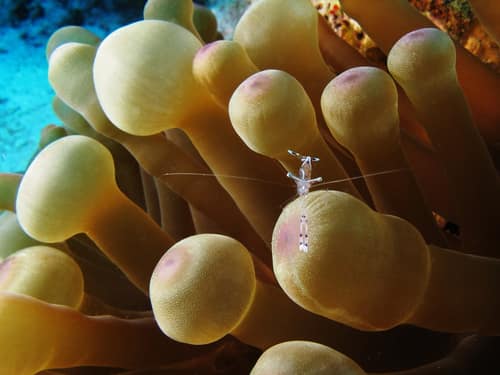
Host Symbiont (c) Alexander Vasenin, some rights reserved (CC BY-SA) · cc-by-sa Image unavailable
Host Symbiont 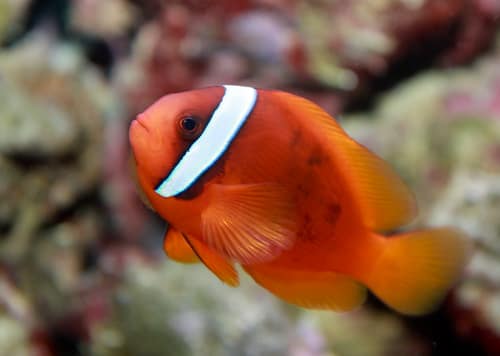
Close Relative "tomato clownfish, Amphiprion frenatus" by brian.gratwicke is licensed under CC BY 2.0. To view a copy of this license, visit https://creativecommons.org/licenses/by/2.0/. · cc-byClose Relative
Help improve the field guideSomething wrong?
Checking your Fauna account…Report a name, category, or profile issue for review.