
Species
Lined Seahorse
Hippocampus erectusAlso known as Northern Seahorse, Spotted Seahorse
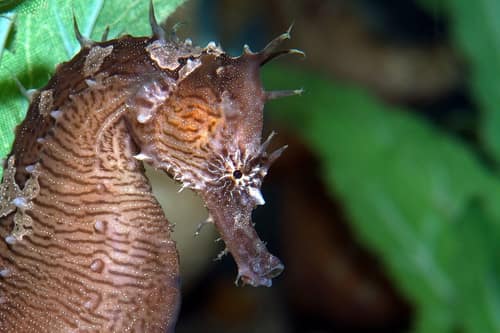
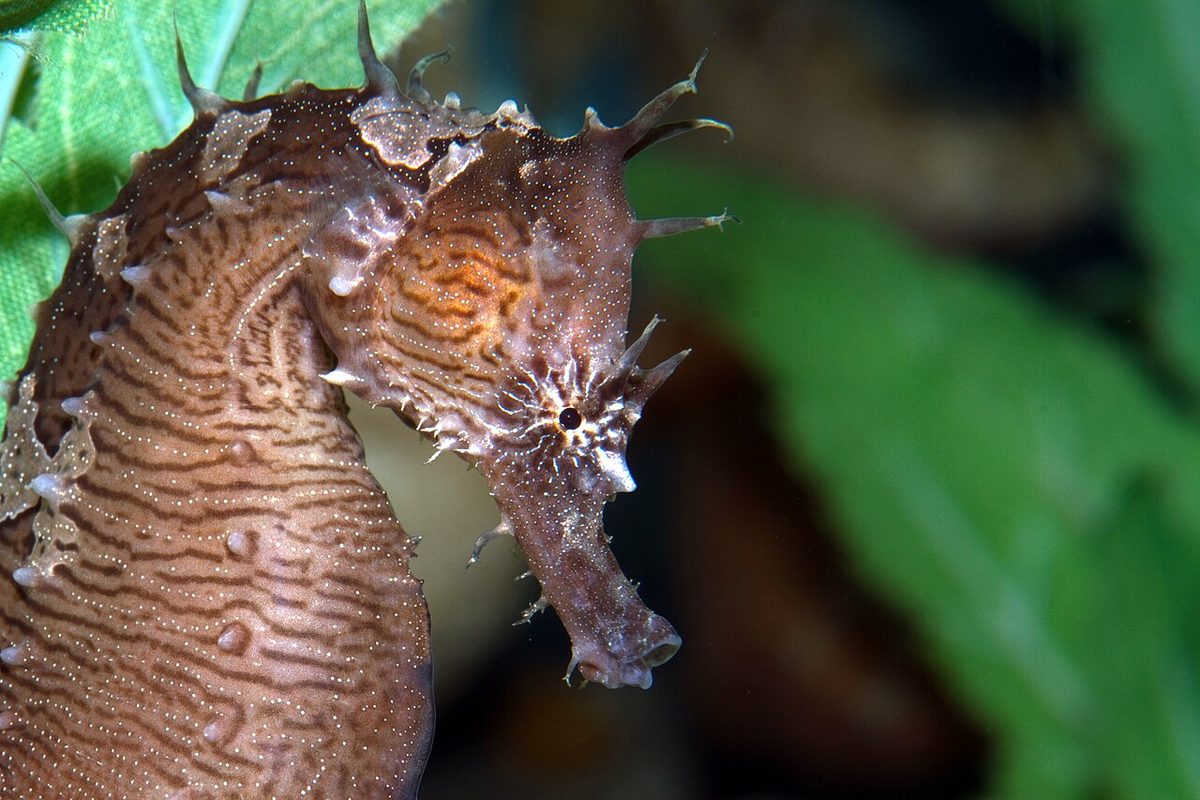
Lined seahorses anchor themselves to seagrasses, sponges, and sargassum using their highly flexible prehensile tails. These master mimics can rapidly shift their coloration to blend seamlessly with their surroundings, lying in wait to ambush tiny passing crustaceans. During the breeding season, females deposit eggs into the male's specialized brood pouch, where he fertilizes, carries, and eventually gives birth to the tiny offspring.
MarineCamouflaged
—observations
—countries
—peak records
VulnerableConservation statusIUCN Red List categoriesLCNTVUENCREWEXVulnerableRed List categories, explained →
Diet & preyMysid shrimp, Copepods, Amphipods
Predators
- Crabs
- Rays
- Sea turtles
ThreatsHabitat loss, accidental bycatch in shrimp trawls, and harvesting for the aquarium trade
HabitatsSeagrass beds, coral reefs, estuaries, and sargassum mats
Life span1 to 4 years
Classification
- FamilySyngnathidae
- SpeciesHippocampus erectus
Range data is not available yet.
Interaction riskLow
- Low
- Moderate
- High
- Very high
- Why interaction risk is low
- Safe to observe at a normal distance.
- What to notice
- Look for a distinct crown-like coronet on the head and dark, vertical lines running down the neck and back.
- Support conservation
- Observe quietly without disturbing their anchoring vegetation, and never collect wild individuals for home aquariums.
Responsible observation
- Look Closely: Scan seagrass blades and floating sargassum mats where they use their prehensile tails to anchor.
- Keep Distance: Avoid touching or handling wild seahorses, as they are fragile and easily stressed.
- Watch for Mimicry: Look for subtle changes in color and skin filaments that match the surrounding vegetation.
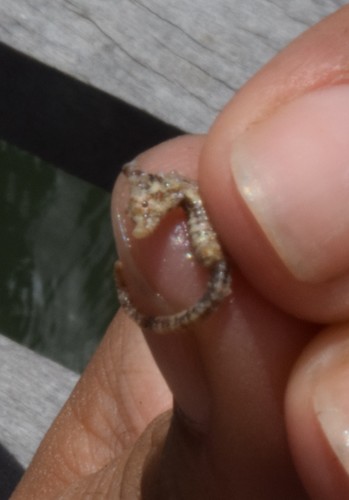
Close Relative (c) Isaac Chacón, some rights reserved (CC BY) · cc-by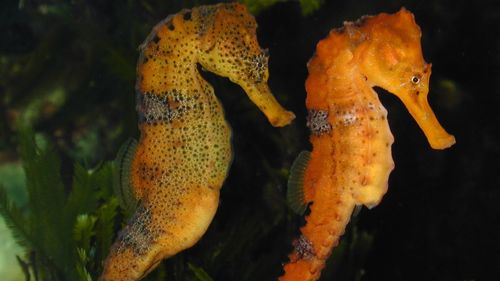
Close Relative (c) Andreas März, some rights reserved (CC BY) · cc-by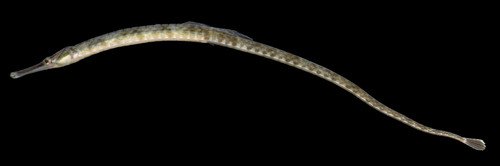
Close Relative (c) Smithsonian Environmental Research Center, some rights reserved (CC BY) · cc-by
Help improve the field guideSomething wrong?
Checking your Fauna account…Report a name, category, or profile issue for review.