
Species
Pacific Seahorse
Hippocampus ingensAlso known as Giant Seahorse, Galapagos Seahorse
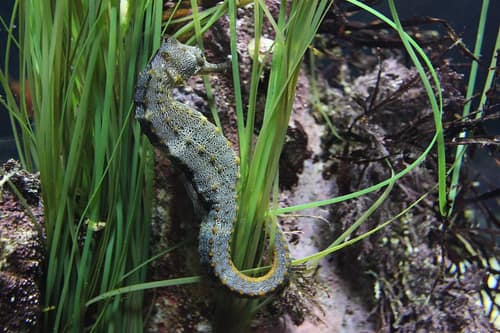
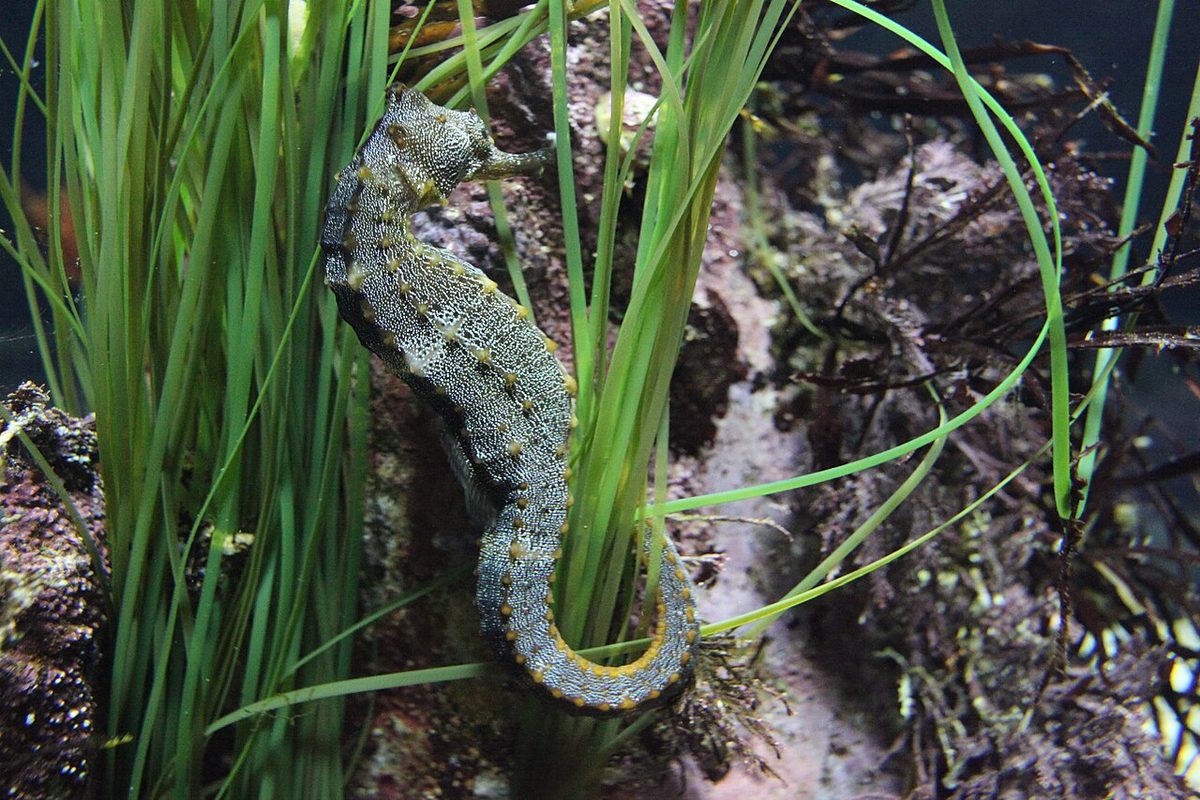
Pacific seahorses are the largest of their kind, blending seamlessly into kelp forests and rocky reefs along the Pacific coast using color-changing camouflage. These remarkable fish anchor themselves to marine vegetation with prehensile tails, waiting to ambush tiny passing crustaceans with their straw-like snouts. Like other syngnathids, males carry the developing eggs in a specialized brood pouch, giving birth to fully formed miniature offspring.
CamouflagedMarine
—observations
—countries
—peak records
VulnerableConservation statusIUCN Red List categoriesLCNTVUENCREWEXVulnerableRed List categories, explained →
Diet & preyMysid shrimp, Copepods, Larval fish
Predators
- Rays
- Snappers
- Crabs
ThreatsBycatch in shrimp trawls, habitat degradation, and targeted harvesting for traditional medicine and the aquarium trade
HabitatsKelp forests, coral reefs, rocky reefs, and sandy bottoms up to 30 meters deep
Life span3 to 5 years
Classification
- FamilySyngnathidae
- SpeciesHippocampus ingens
Range data is not available yet.
Interaction riskLow
- Low
- Moderate
- High
- Very high
- Why interaction risk is low
- Safe to observe at a normal distance.
- What to notice
- Recognizable by their large size, up to 30 centimeters, and a crown-like coronet on top of their head.
- Support conservation
- Never touch, capture, or disturb wild seahorses; observe them quietly from a respectful distance.
Responsible observation
- Look closely: Search among kelp holdfasts, gorgonians, and black corals where they anchor themselves.
- Maintain distance: Avoid touching or crowding them, as stress can disrupt their delicate feeding and mating behaviors.
- Use ambient light: Avoid using strong flash photography, which can startle and disorient these sensitive fish.
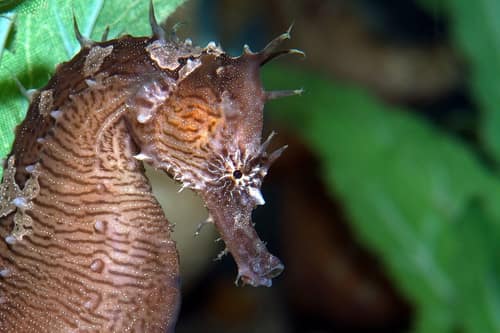
Close Relative Brian Gratwicke / CC BY 2.0 · CC BY 2.0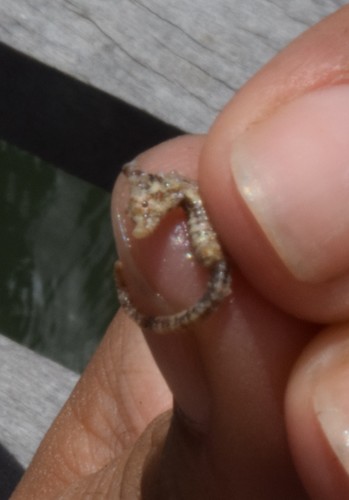
Close Relative (c) Isaac Chacón, some rights reserved (CC BY) · cc-by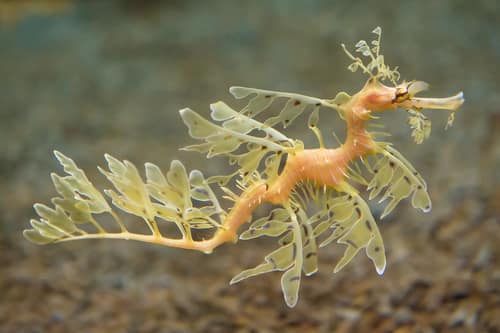
Close Family Member "Phycodurus eques (Leafy seadragon)" by mark6mauno is licensed under CC BY-SA 2.0. To view a copy of this license, visit https://creativecommons.org/licenses/by-sa/2.0/. · cc-by-sa
Help improve the field guideSomething wrong?
Checking your Fauna account…Report a name, category, or profile issue for review.