
Species
Weedy Seadragon
Phyllopteryx taeniolatusAlso known as Common Seadragon
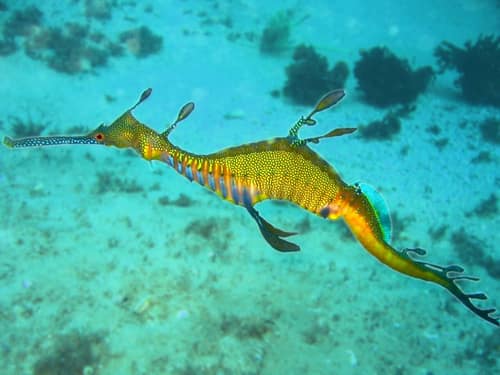
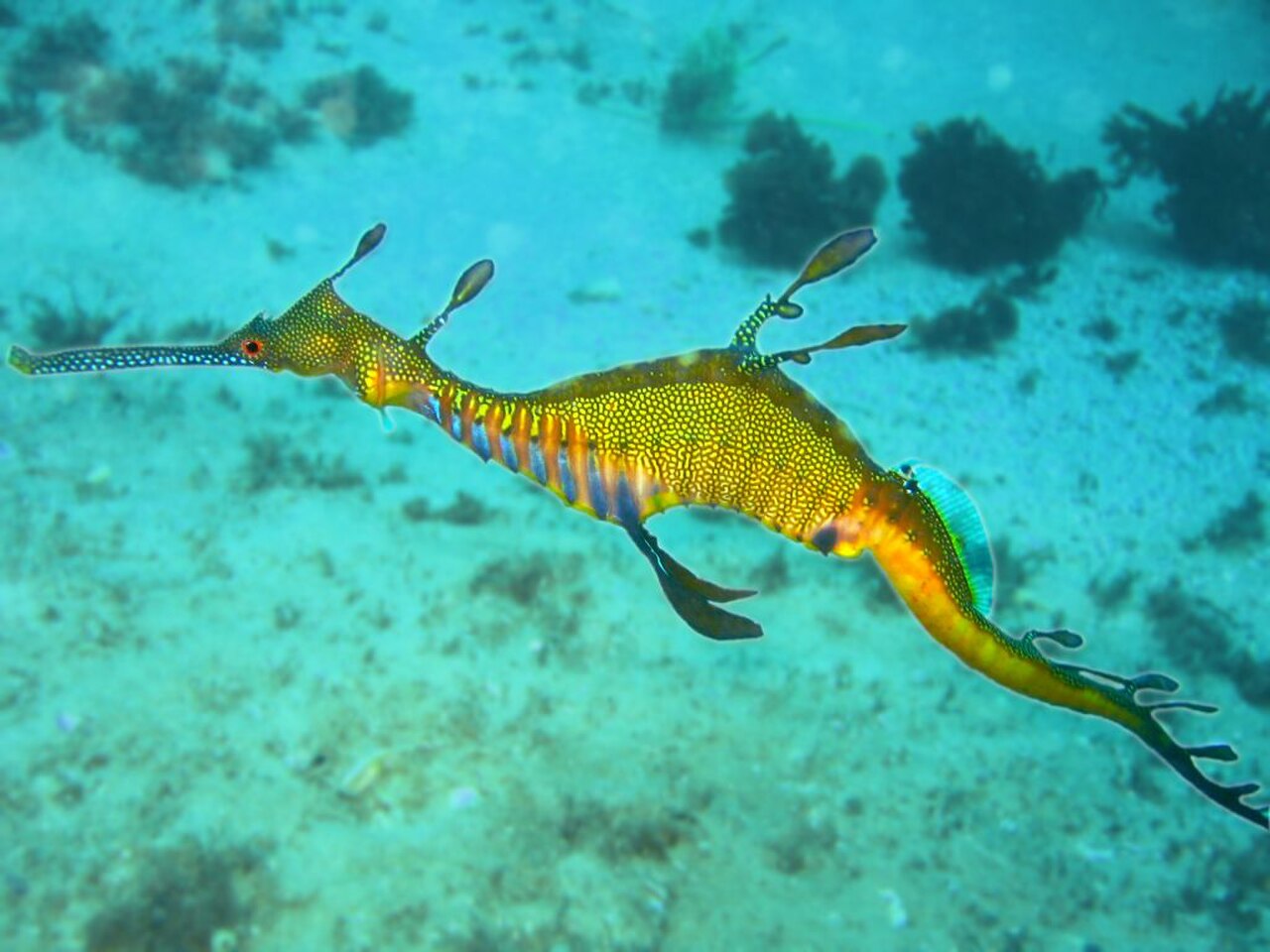
Weedy seadragons glide silently through temperate Australian kelp forests and seagrass meadows, perfectly disguised as drifting algae. Unlike seahorses, they lack prehensile tails and cannot grasp onto vegetation, relying instead on subtle pectoral fin fluttering for propulsion. During spring, males carry hundreds of bright pink eggs attached beneath their tails until they hatch into fully independent young.
CamouflagedMarineOcean Life
—observations
—countries
—peak records
VulnerableConservation statusIUCN Red List categoriesLCNTVUENCREWEXVulnerableRed List categories, explained →
Diet & preyMysid Shrimp, Sea Lice, Amphipods
Predators
- Australian Sea Lion
- Octopus
- Large Reef Fish
ThreatsHabitat loss, pollution, kelp forest decline, climate change
HabitatsCoastal reefs, kelp forests, seagrass beds
Life span7–10 years
Classification
- OrderSyngnathiformes
- FamilySyngnathidae
- GenusPhyllopteryx
- SpeciesPhyllopteryx taeniolatus
Range data is not available yet.
Interaction riskLow
- Low
- Moderate
- High
- Very high
- Why interaction risk is low
- Safe to observe from a respectful distance while diving or snorkeling.
- What to notice
- Look for a slender, reddish marine fish with yellow spots, purple stripes, and leaf-like fin extensions.
- Support conservation
- Observe quietly from several meters away without using flash photography or touching marine vegetation.
Responsible observation
- Maintain Distance: Keep a comfortable distance when scuba diving to avoid disturbing their delicate movement.
- Watch the Tail: Look beneath a male's tail in spring to spot bright pink egg clusters.
- Protect Reefs: Avoid touching marine plants where seadragons shelter and feed.
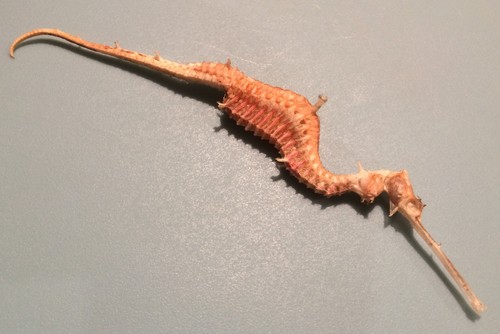
Congener (c) leonie_rennie, some rights reserved (CC BY) · cc-by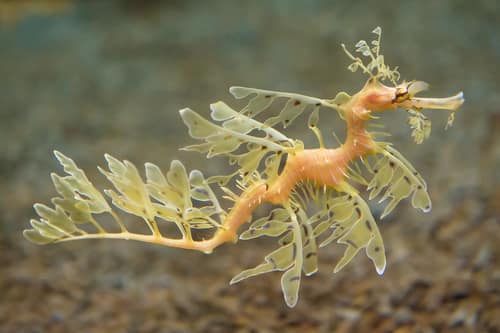
Close Relative "Phycodurus eques (Leafy seadragon)" by mark6mauno is licensed under CC BY-SA 2.0. To view a copy of this license, visit https://creativecommons.org/licenses/by-sa/2.0/. · cc-by-sa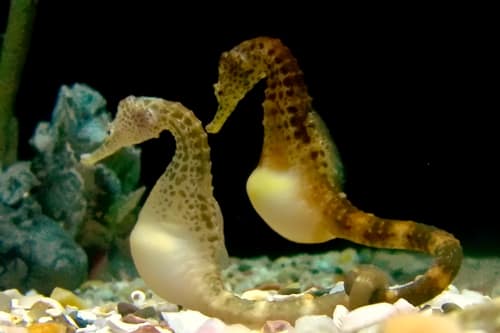
Family Member Joanne Merriam / CC BY-SA 3.0 · cc-by-sa
Help improve the field guideSomething wrong?
Checking your Fauna account…Report a name, category, or profile issue for review.