
Invertebrate
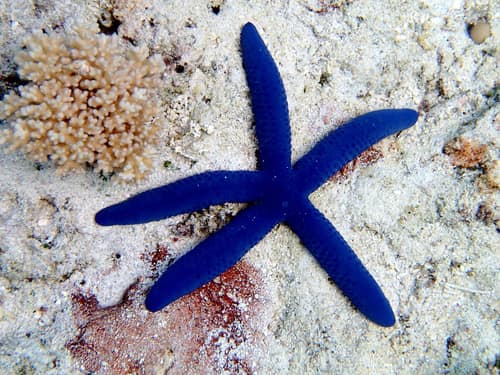
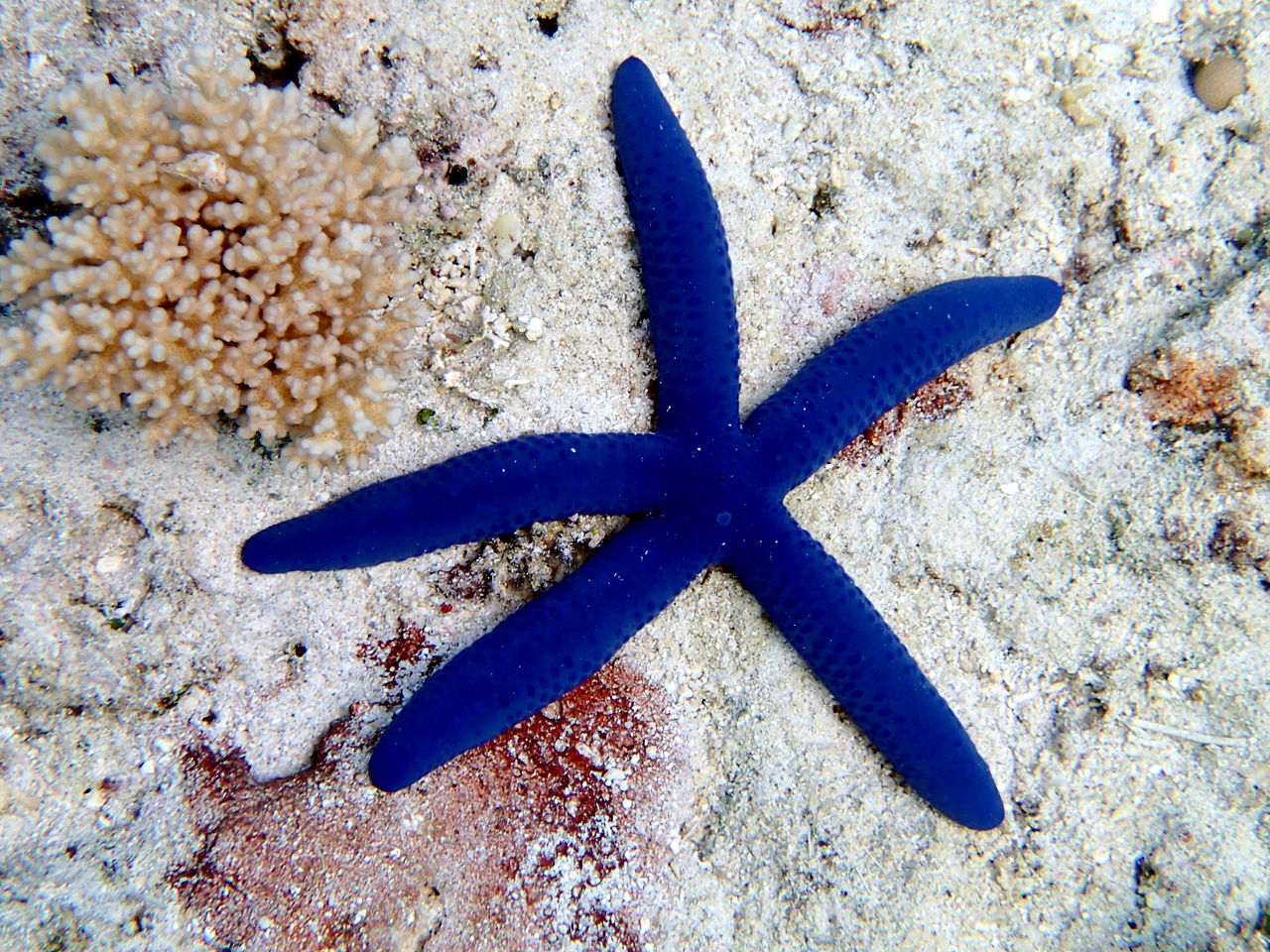
Blue Sea Star
Linckia laevigataAlso known as Blue Linckia, Blue Star
Blue sea stars drape their brilliant cobalt-blue arms over sunlit coral reefs throughout the tropical Indo-Pacific. These slow-moving invertebrates play a vital role in reef health by grazing on algae and organic detritus, keeping the substrate clear for new coral growth. They possess an extraordinary ability to regenerate, capable of growing an entire new body from a single severed arm.
MarineColorfulReef-Dwelling
—observations
—countries
—peak records
Not EvaluatedConservation statusIUCN Red List categoriesLCNTVUENCREWEXNot Evaluated — not placed on the risk ladderRed List categories, explained →
Diet & preyMicroalgae, Detritus, Bacterial mats
Predators
- Harlequin shrimp
- Pufferfish
- Triton's trumpet snail
ThreatsOcean acidification, warming waters, and over-harvesting for the aquarium trade
HabitatsCoral reefs, seagrass beds, and shallow lagoons
Life spanUp to 10 years
Classification
- FamilyOphidiasteridae
- SpeciesLinckia laevigata
Range data is not available yet.
Interaction riskLow
- Low
- Moderate
- High
- Very high
- Why interaction risk is low
- Safe to observe at a normal distance.
- What to notice
- Easily recognized by their bright, solid blue color and five long, cylindrical arms.
- Support conservation
- Never remove them from the water, as exposure to air can trap bubbles in their vascular system.
Responsible observation
- Do not touch: Handling can damage their delicate water vascular system and protective mucus layer.
- Look for comets: Search for individuals with one large arm and four tiny growing arms.
- Observe in shallows: Look closely in sunny, shallow reef flats during low tide.
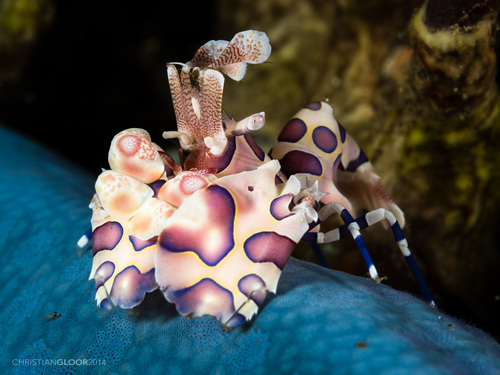
Predator (c) Christian Gloor, some rights reserved (CC BY) · cc-by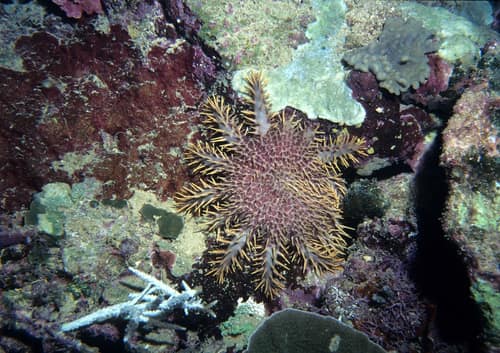
Co-occurring Competitor "Crown of thorns starfish eating coral, Fiji" by Derek Keats is licensed under CC BY 2.0. To view a copy of this license, visit https://creativecommons.org/licenses/by/2.0/. · cc-by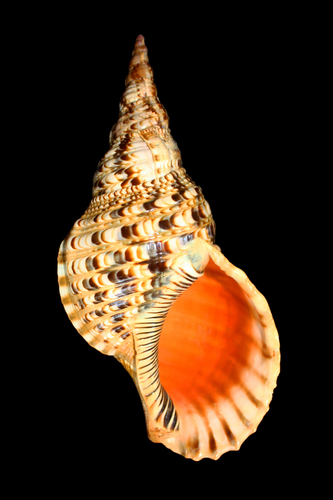
Predator (c) AntanO, some rights reserved (CC BY-SA) · cc-by-sa Image unavailable
Close Relative
Help improve the field guideSomething wrong?
Checking your Fauna account…Report a name, category, or profile issue for review.