
Invertebrate
Atlantic Sea Nettle
Chrysaora quinquecirrhaAlso known as East Coast Sea Nettle, Ocean Sea Nettle
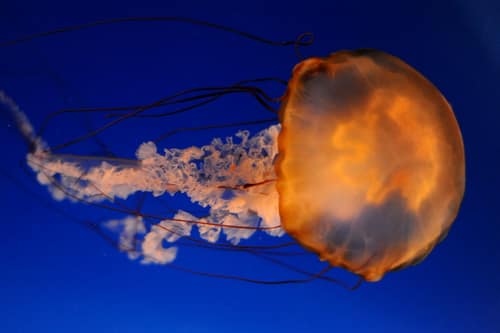
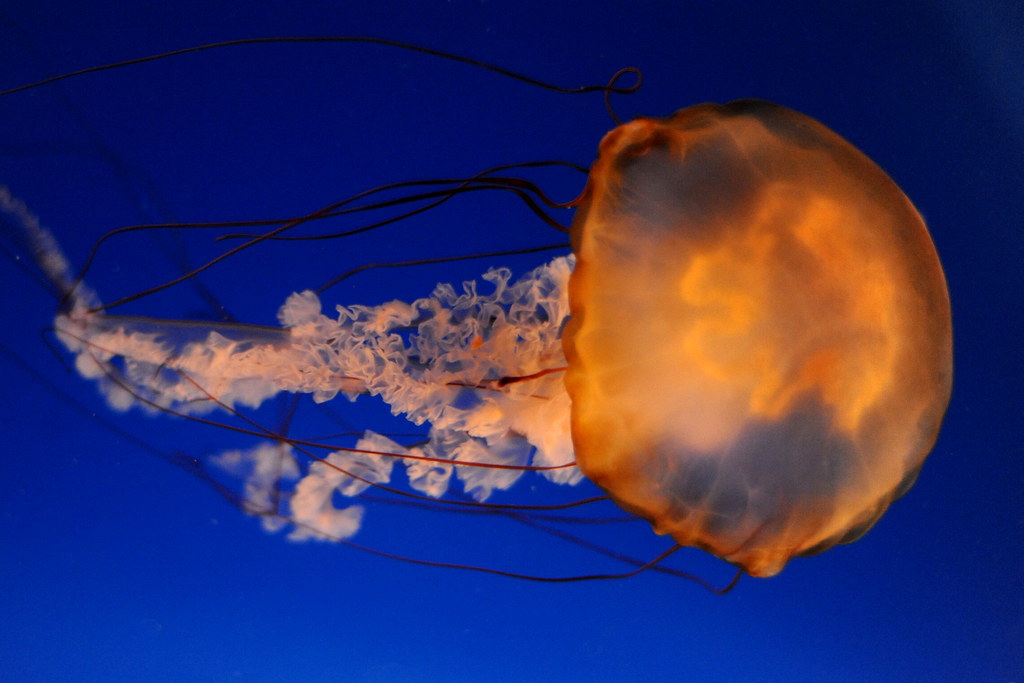
Atlantic sea nettles propel themselves gracefully through coastal waters using rhythmic contractions of their saucer-shaped bells. Long, delicate tentacles and ruffled oral arms trail behind, equipped with thousands of microscopic stinging cells that stun small fish and planktonic invertebrates on contact. During the warmer summer months, blooming populations drift close to coastal beaches and inlets, driven by currents and seasonal temperature spikes.
PlanktonicStingingCoastal
—observations
—countries
—peak records
Not EvaluatedConservation statusIUCN Red List categoriesLCNTVUENCREWEXNot Evaluated — not placed on the risk ladderRed List categories, explained →
Diet & preyMnemiopsis leidyi, Acartia tonsa, Fish Larvae
Predators
- Loggerhead Sea Turtle
- Leatherback Sea Turtle
- Ocean Sunfish
ThreatsPollution, boat strikes, climate-driven changes in salinity and water temperature
HabitatsTemperate coastal ocean waters, bays, and nearshore marine environments
Life span6–12 months as medusa; polyp stage can persist for several years
Classification
- OrderSemaeostomeae
- FamilyPelagiidae
- GenusChrysaora
- SpeciesChrysaora quinquecirrha
Range data is not available yet.
Interaction riskVery high
- Low
- Moderate
- High
- Very high
- Why interaction risk is very high
- Tentacles deliver a painful sting causing burning welts; avoid touching swimming or stranded jellyfish.
- Why it is dangerous
- Cnidocytes on the tentacles inject proteinaceous toxins that trigger rapid pain, localized inflammation, and raised skin welts.
- How to recognize a risky encounter
- Look for a translucent whitish to pink bell, often marked with reddish-brown radiating stripes and long trailing oral arms.
- What to do
- Maintain distance while swimming, exit the water if spotted, and rinse any stings immediately with ocean water.
Responsible observation
- Beach Safety: Check for local jellyfish warning flags or water condition advisories before swimming.
- First Aid: Rinse stings thoroughly with saltwater rather than freshwater to avoid firing more venom cells.
- Stranded Specimens: Never handle washed-up bells or broken tentacles on the sand, as stingers remain active.
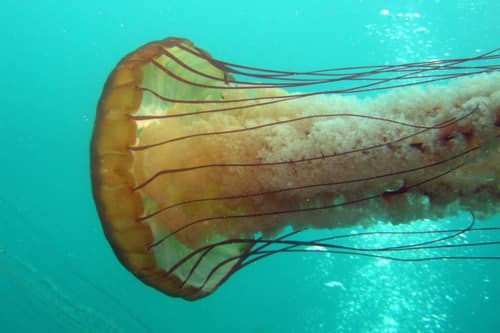
Same Genus (c) Ed Bierman, some rights reserved (CC BY) · cc-by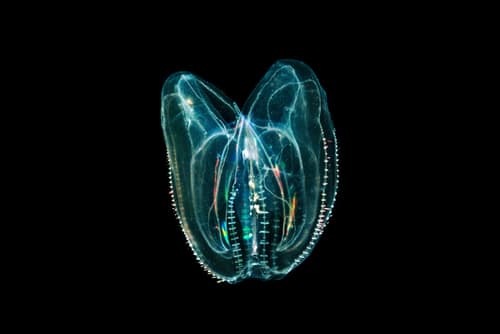
Prey (c) Klaus Kevin Kristensen, some rights reserved (CC BY), uploaded by Klaus Kevin Kristensen · cc-by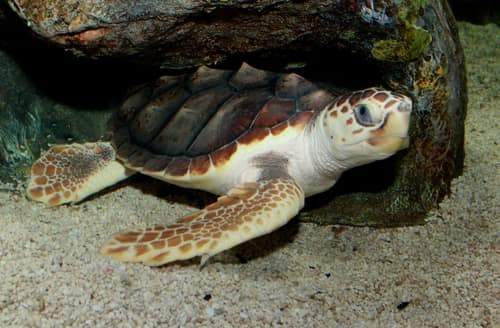
Predator "Loggerhead Sea Turtle (Caretta caretta)" by brian.gratwicke is licensed under CC BY 2.0. To view a copy of this license, visit https://creativecommons.org/licenses/by/2.0/. · cc-by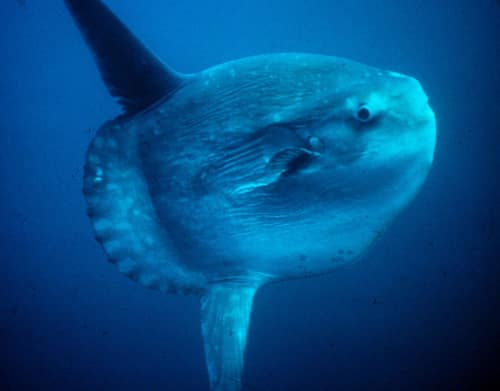
Predator U.S. National Oceanic and Atmospheric Administration / Public domain · cc0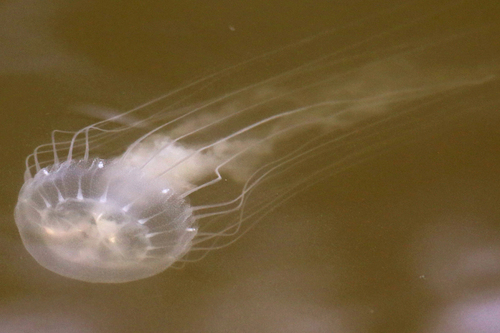
Close Relative (c) Bill Keim, some rights reserved (CC BY) · cc-by
Keep collecting in Fauna
Found in Collections
Species set Pro
Ocean Creatures
Atlantic Sea Nettle is found in this collection. Identify it in Fauna to fill this slot and continue your progress.
Unlock to track progress
Help improve the field guideSomething wrong?
Checking your Fauna account…Report a name, category, or profile issue for review.