
Invertebrate
Elkhorn Coral
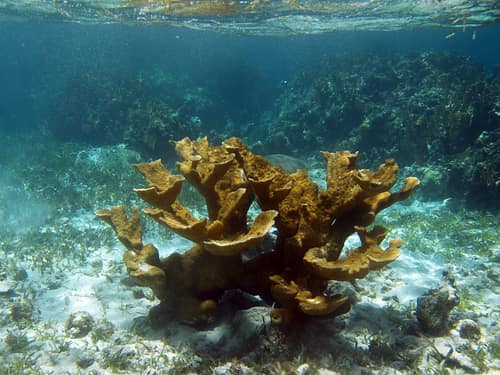
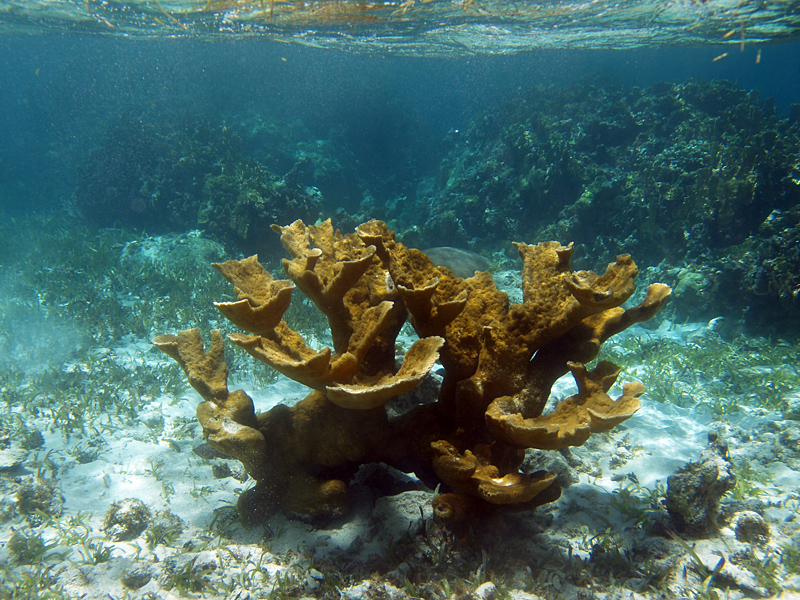
Acropora palmataElkhorn coral forms vast, golden-brown underwater forests of thick, flattened branches that break the force of incoming waves and protect shorelines from erosion. These structural giants provide critical shelter, breeding grounds, and hunting territories for hundreds of Caribbean reef fish and invertebrates. While they rely heavily on symbiotic algae for energy, they also capture drifting plankton using tiny, stinging tentacles at night.
Reef-BuildingMarine
—observations
—countries
—peak records
Critically EndangeredConservation statusIUCN Red List categoriesLCNTVUENCREWEXCritically EndangeredRed List categories, explained →
Diet & preyZooplankton, Dissolved Organic Matter
Predators
- Bearded Fireworm
- Three-spot Damselfish
- Coralliophila Snails
ThreatsClimate change, white band disease, pollution, and physical storm damage
HabitatsShallow, high-energy reef crests and fore-reefs
Life spanCenturies through continuous fragmentation and growth
Classification
- FamilyAcroporidae
- SpeciesAcropora palmata
Range data is not available yet.
Interaction riskLow
- Low
- Moderate
- High
- Very high
- Why interaction risk is low
- Sharp skeletons can cause painful, easily infected scrapes; avoid physical contact and maintain neutral buoyancy.
- What to notice
- Look for massive, flattened, amber-colored branches resembling elk antlers in shallow, turbulent waters.
- Support conservation
- Never anchor boats on or near the reef, and report any sightings of healthy colonies to local conservation databases.
Responsible observation
- Look but do not touch: Keep a safe distance of at least two meters to prevent accidental contact with fragile branches.
- Choose reef-safe sunscreen: Use mineral-based sunscreens containing non-nano zinc oxide to avoid chemical bleaching.
- Practice buoyancy control: Ensure your fins and gear do not scrape the reef substrate while snorkeling or diving.
 Image unavailable
Hybrid Offspring 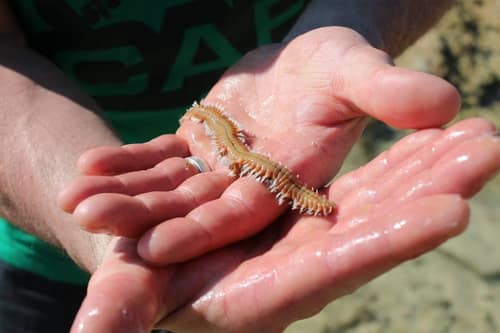
Predator no rights reserved · cc0Symbiont 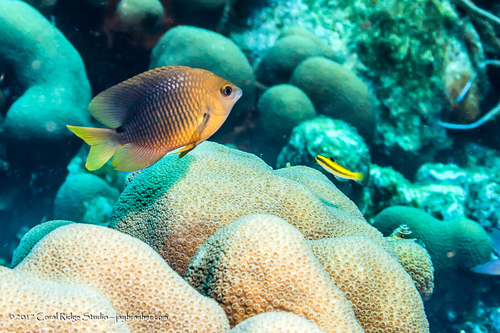
Competitor (c) Jay Brasher, some rights reserved (CC BY), uploaded by Jay Brasher · cc-by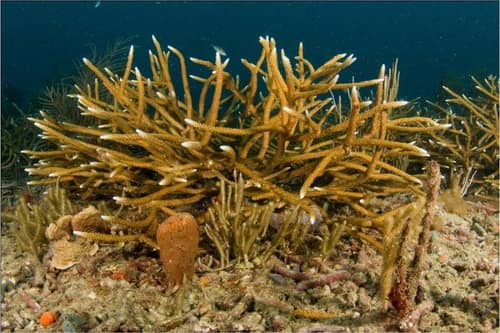
Close Relative (c) U.S. Fish and Wildlife Service Southeast Region, some rights reserved (CC BY) · cc-by
Help improve the field guideSomething wrong?
Checking your Fauna account…Report a name, category, or profile issue for review.