
Arachnid
Western Black-legged Tick
Ixodes pacificusAlso known as Western Blacklegged Tick
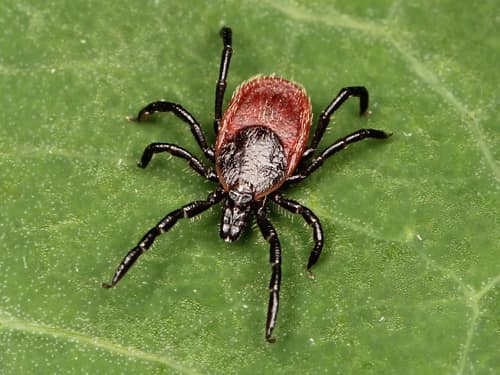
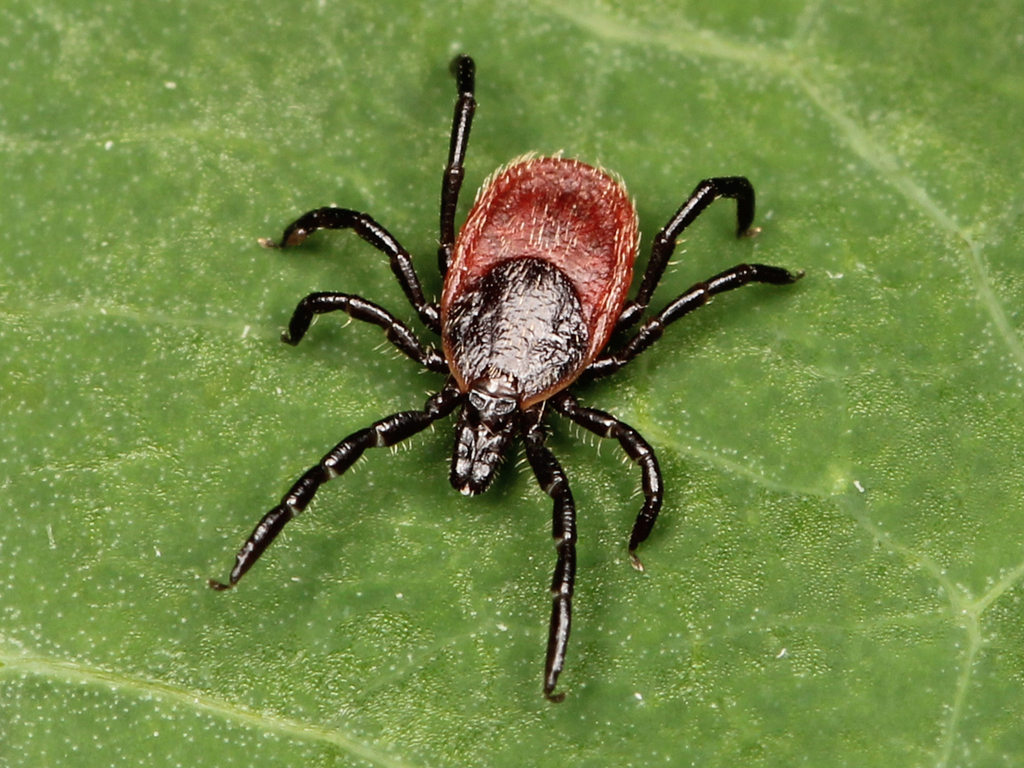
Western black-legged ticks wait patiently on the tips of grasses and low shrubs, extending their front legs to grasp passing hosts in a behavior known as questing. These hardy parasites require three distinct hosts to complete their multi-year life cycle, transitioning from tiny larvae to nymphs and finally to breeding adults. On the Pacific coast, their relationship with local lizards plays a fascinating role in reducing the local prevalence of Lyme disease.
ParasiticWoodlandForest-Dwelling
—observations
—countries
—peak records
Not EvaluatedConservation statusIUCN Red List categoriesLCNTVUENCREWEXNot Evaluated — not placed on the risk ladderRed List categories, explained →
Diet & preyMule Deer, Western Fence Lizard, Deer Mice
Predators
- Opossums
- Wild Turkeys
- Nematodes
ThreatsHabitat clearing, host population declines, and extreme drought
HabitatsDense woodlands, chaparral, brushy areas, and tall grasslands
Life spanApproximately 3 years
Classification
- FamilyIxodidae
- SpeciesIxodes pacificus
Range data is not available yet.
Interaction riskModerate
- Low
- Moderate
- High
- Very high
- Why interaction risk is moderate
- Can transmit Lyme disease; wear long pants and perform thorough tick checks after hiking.
- Why it is dangerous
- Transmits Lyme disease and other pathogens through its bite.
- How to recognize a risky encounter
- Adult females have a reddish-orange abdomen with a dark scutum, while males are entirely dark brown.
- What to do
- Avoid contact by staying on cleared trails, and use EPA-approved insect repellents containing DEET or picaridin.
Responsible observation
- Prevention: Wear light-colored clothing and tuck pants into socks when walking through tall grass.
- Removal: Use fine-tipped tweezers to grasp the tick close to the skin and pull straight upward.
- Inspection: Perform a thorough body check and wash clothes in hot water after outdoor activities.
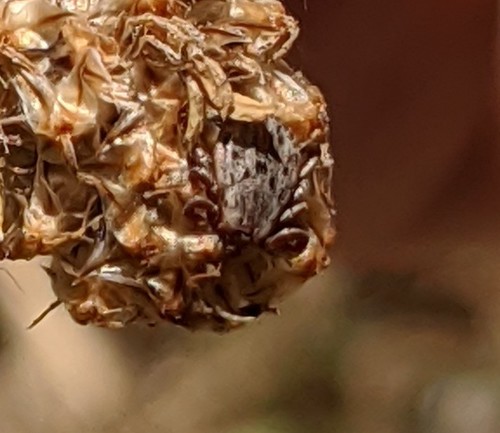
Competitor no rights reserved · cc0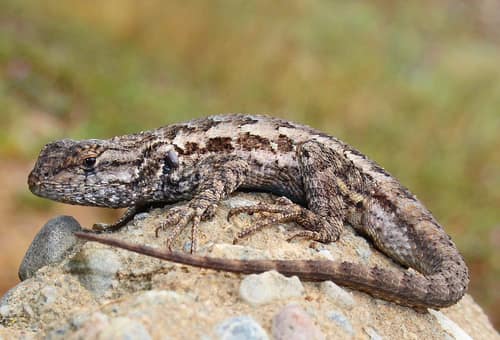
Host Species Connor Long / CC BY-SA 4.0 · cc-by-sa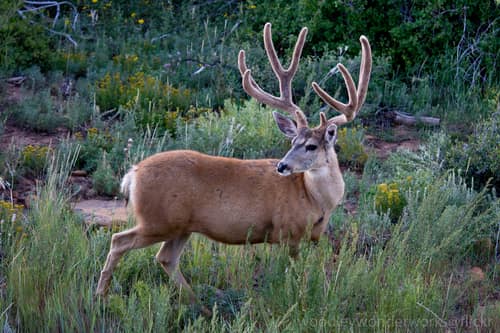
Host Species "ten point mule deer buck" by woodleywonderworks is licensed under CC BY 2.0. To view a copy of this license, visit https://creativecommons.org/licenses/by/2.0/. · cc-by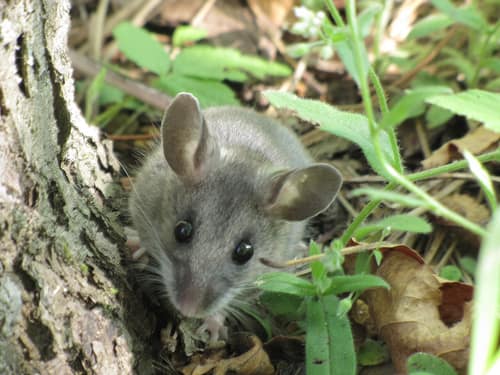
Host Species Seney Natural History Association / CC BY-SA 2.0 · cc-by-sa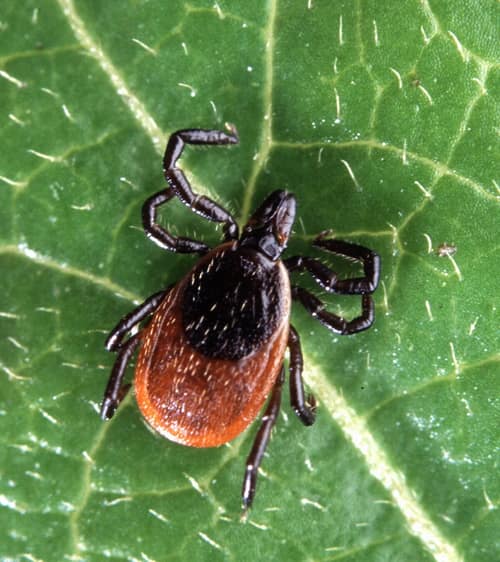
Close Relative Photo by Scott Bauer. / Public domain · cc0
Help improve the field guideSomething wrong?
Checking your Fauna account…Report a name, category, or profile issue for review.