
Fungus
Milking Bonnet
Mycena galopusAlso known as Milky Mycena, Milk-Drop Mycena
This slender woodland mushroom plays a vital role in forest ecosystems by decomposing fallen leaves and coniferous needles. Gently snapping the dark, fragile stem reveals its defining feature: a milky white latex that exudes from the break. Found growing in clusters throughout temperate northern woodlands, it actively converts tough plant litter back into fertile soil.
FungusDecomposerWoodland
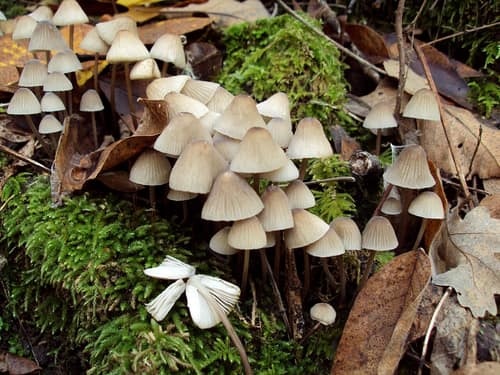
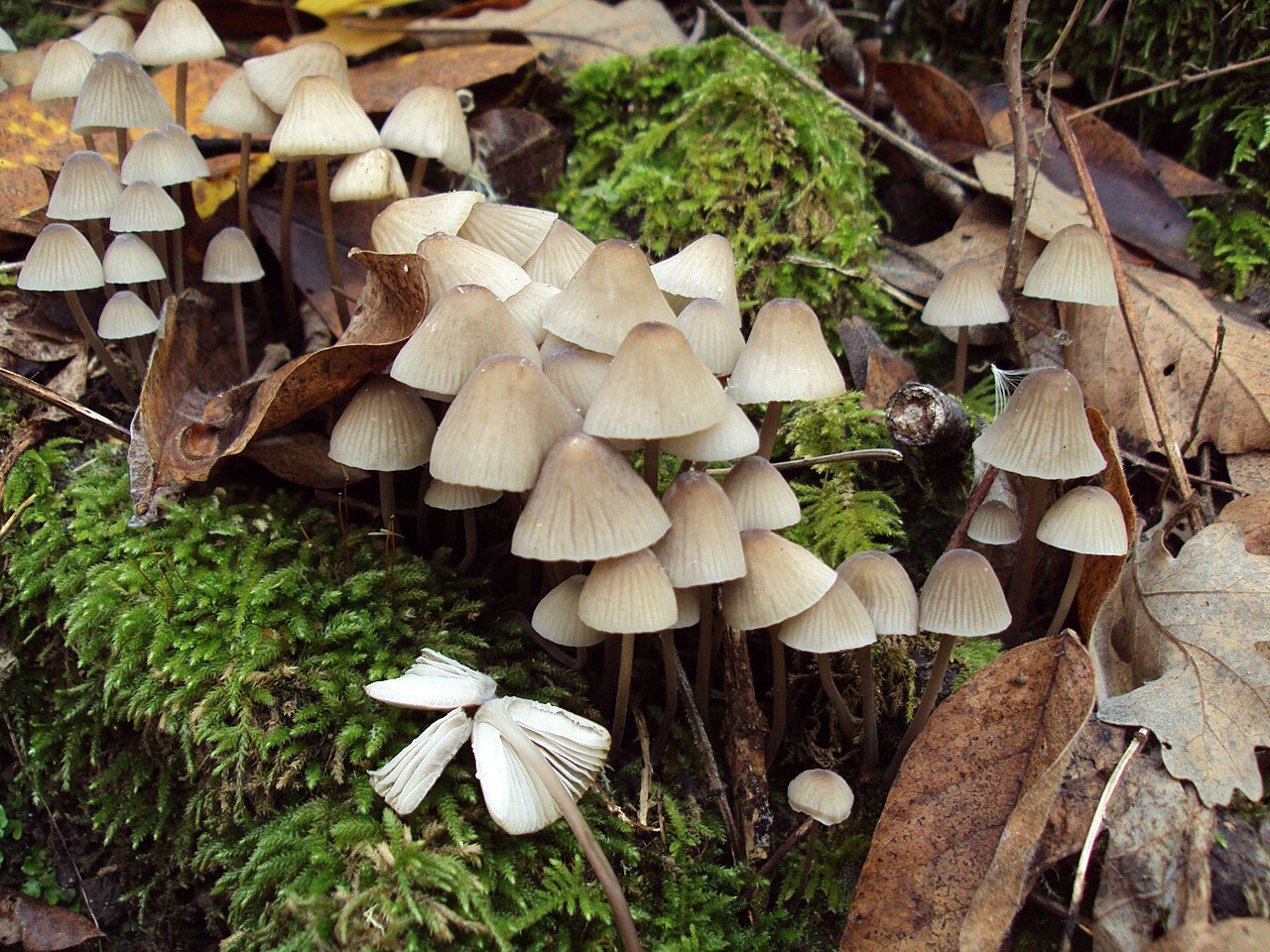
—observations
—countries
—peak records
Not EvaluatedConservation statusIUCN Red List categoriesLCNTVUENCREWEXNot Evaluated — not placed on the risk ladderRed List categories, explained →
Diet & preySaprotrophic
Predators
- Slugs
- Fungus Gnats
- Springtails
ThreatsForest clearance and severe soil compaction
HabitatsDeciduous and coniferous leaf litter
Life spanFruiting bodies persist for 2 to 5 days
Classification
- FamilyMycenaceae
- SpeciesMycena galopus
Range data is not available yet.
Interaction riskLow
- Low
- Moderate
- High
- Very high
- Why interaction risk is low
- Many edible mushrooms have toxic look-alikes; never eat wild fungi based on app identification alone.
Responsible observation
- Stem test: Carefully snap the stem base to observe the characteristic white latex oozing from the break.
- Substrate search: Look closely among decaying leaves and needle carpet in damp shady woods during autumn.
- Magnification aid: Use a hand lens to inspect the delicate radial grooves along the bell-shaped cap.
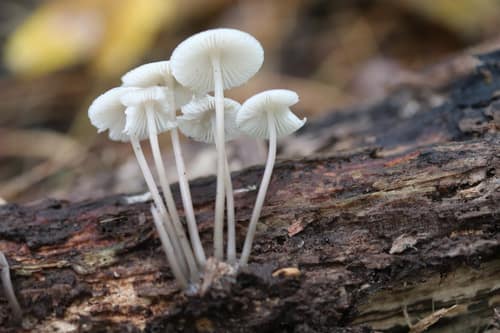
Genus Member (c) Michel Langeveld, some rights reserved (CC BY), uploaded by Michel Langeveld · cc-by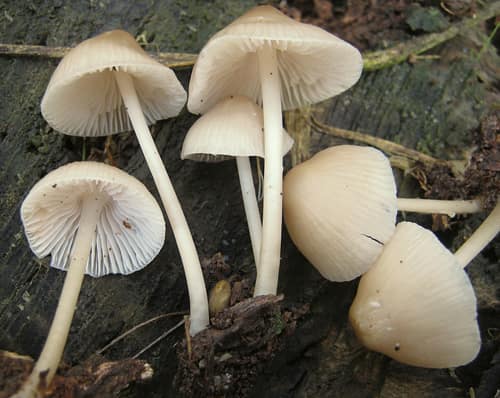
Genus Member (c) 2011-12-03_Mycena_galericulata_(Scop.)_Gray_188645.jpg, some rights reserved (CC BY-SA) · cc-by-sa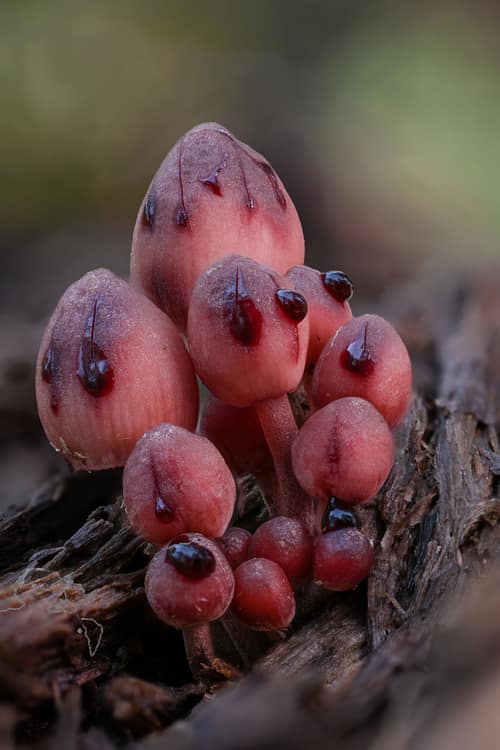
Close Relative (c) Alan Rockefeller, some rights reserved (CC BY), uploaded by Alan Rockefeller · cc-by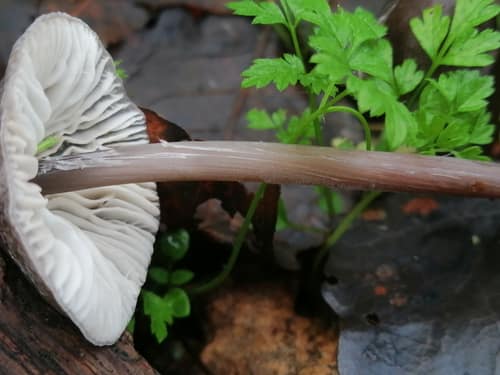
Close Relative no rights reserved · cc0
Help improve the field guideSomething wrong?
Checking your Fauna account…Report a name, category, or profile issue for review.