
Invertebrate
Horned Ghost Crab
Ocypode ceratophthalmusAlso known as Horn-eyed Ghost Crab
Horned ghost crabs patrol tropical sandy beaches at night, sprinting at speeds over two meters per second to scavenge organic debris and small prey. Their distinctive eyestalk horns grow longer as they mature, providing wide-angle vision while keeping their bodies buried in deep sand burrows. By day, these master burrowers retreat into deep subterranean tunnels above the high-tide line to stay cool and moist.
NocturnalCoastalFast Runner
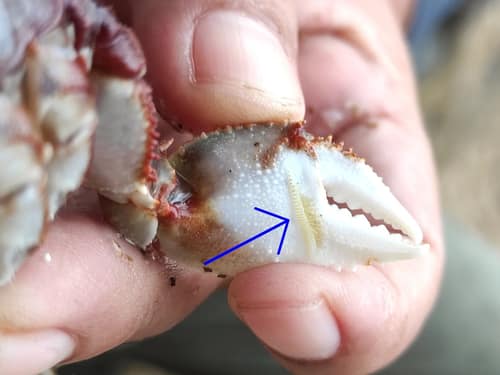
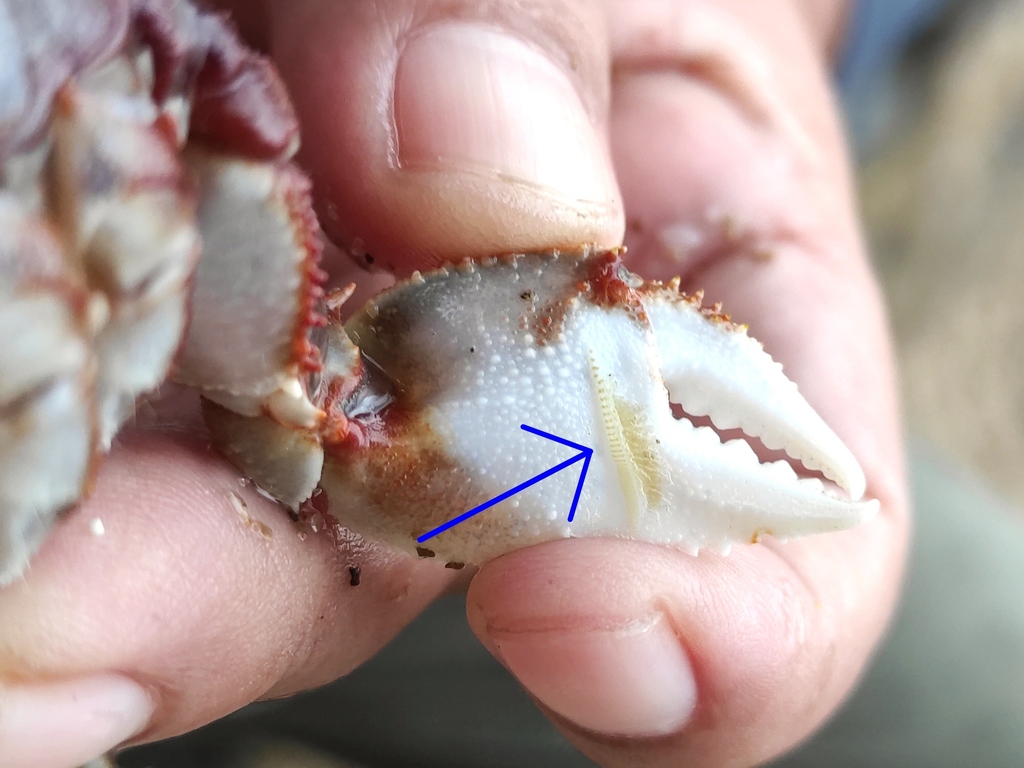
—observations
—countries
—peak records
Least ConcernConservation statusIUCN Red List categoriesLCNTVUENCREWEXLeast ConcernRed List categories, explained →
Diet & preySea turtle hatchlings, Insects, Small crustaceans
Predators
- Shorebirds
- Gulls
- Large fish
ThreatsCoastal development, beach vehicle traffic, light pollution, marine debris
HabitatsSandy ocean beaches, intertidal zones, coastal dunes
Life span3–5 years
Classification
- OrderDecapoda
- FamilyOcypodidae
- GenusOcypode
- SpeciesOcypode ceratophthalmus
Range data is not available yet.
Interaction riskLow
- Low
- Moderate
- High
- Very high
- Why interaction risk is low
- Capable of delivering a painful pinch with their claws; view from a comfortable distance.
Responsible observation
- Night observation: Use a red-light flashlight after dark to observe foraging behavior without alarming them.
- Approach slowly: Move gently and stop when they pause, as they rapidly retreat into burrows when threatened.
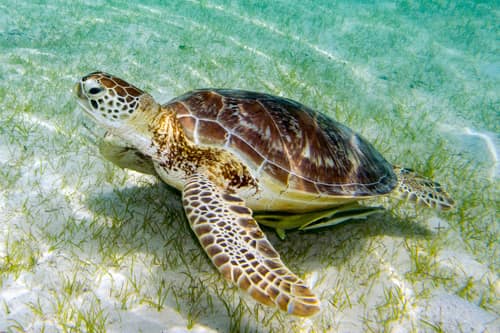
Prey (c) Paul Asman and Jill Lenoble, some rights reserved (CC BY), uploaded by Paul Asman and Jill Lenoble · cc-by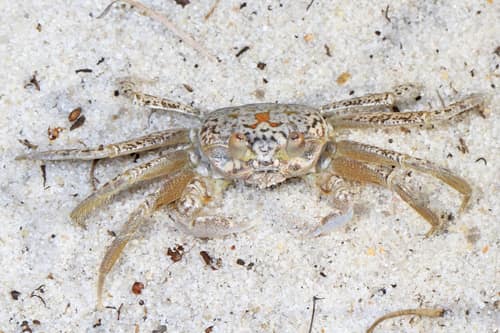
Close Relative (c) Judy Gallagher, some rights reserved (CC BY) · cc-by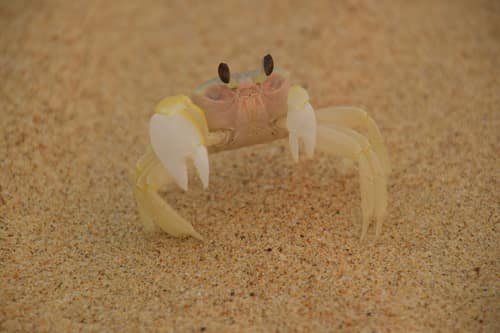
Close Relative (c) Thomas Mesaglio, some rights reserved (CC BY), uploaded by Thomas Mesaglio · cc-by
Keep collecting in Fauna
Found in Collections
Species set Pro
Shore Life
Horned Ghost Crab is found in this collection. Identify it in Fauna to fill this slot and continue your progress.
Unlock to track progress
Help improve the field guideSomething wrong?
Checking your Fauna account…Report a name, category, or profile issue for review.