
Invertebrate
Crocea Clam
Tridacna croceaAlso known as Boring Clam, Crocus Clam, Saffron-coloured Clam
These vibrant bivalves bore themselves deeply into solid coral blocks, exposing only their brilliantly colored mantles to the sunlit tropical waters. They host millions of symbiotic zooxanthellae algae within their tissues, which provide the clam with energy through photosynthesis in exchange for shelter and nutrients. As the smallest of the giant clam species, they form a striking, living mosaic across shallow Indo-Pacific coral reefs.
Reef-dwellingColorfulSymbiotic
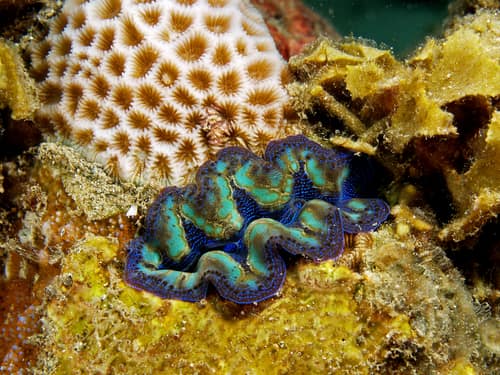
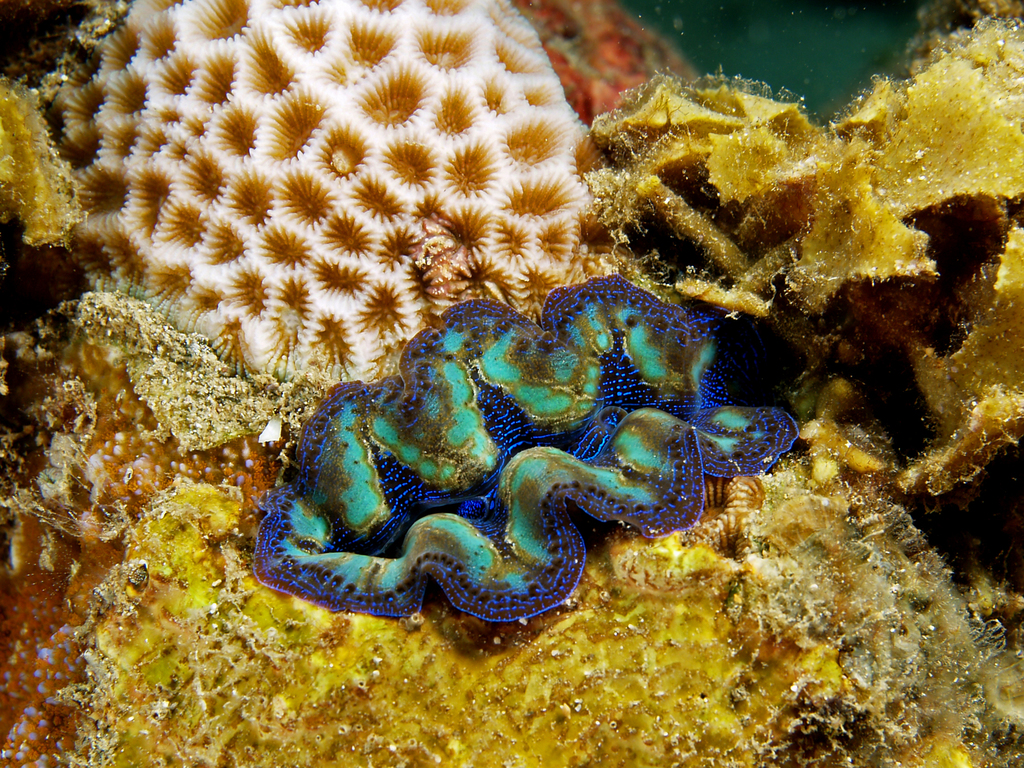
—observations
—countries
—peak records
Least ConcernConservation statusIUCN Red List categoriesLCNTVUENCREWEXLeast ConcernRed List categories, explained →
Diet & preyPhytoplankton, Dissolved organic matter
Predators
- Pyramidellid snails
- Triggerfish
- Crabs
ThreatsHabitat destruction, climate change, and overharvesting for the aquarium trade
HabitatsShallow coral reefs and lagoons
Life spanUp to 30 years
Classification
- FamilyCardiidae
- SpeciesTridacna crocea
Range data is not available yet.
Interaction riskLow
- Low
- Moderate
- High
- Very high
- Why interaction risk is low
- Safe to observe at a normal distance.
- What to notice
- Look for small, colorful mantles embedded flush within coral heads in shallow, sunlit reef flats.
- Support conservation
- Observe them without touching or casting prolonged shadows, and ensure any aquarium specimens are certified captive-bred.
Responsible observation
- Watch for shadows: Wave a hand above the clam to watch it quickly retract its mantle in response to light changes.
- Look for the mantle: Identify them by their electric blue, green, or gold mantles peeking out from limestone crevices.
- Avoid touching: Refrain from touching the sensitive mantle tissue, which can stress the animal and cause it to snap shut.
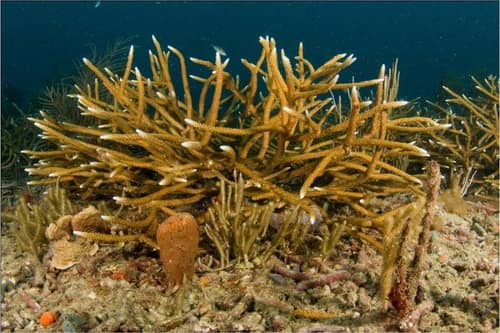
Habitat Provider (c) U.S. Fish and Wildlife Service Southeast Region, some rights reserved (CC BY) · cc-by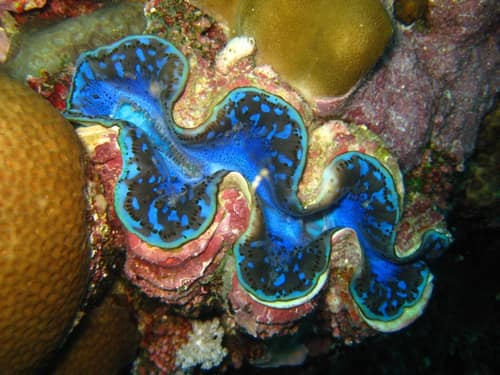
Close Relative (c) Micha Baum, some rights reserved (CC BY-SA), uploaded by Micha Baum · cc-by-sa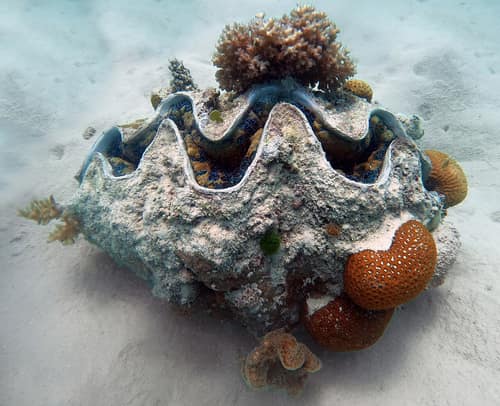
Close Relative Charles J. Sharp / CC BY-SA 4.0 · cc-by-sa
Help improve the field guideSomething wrong?
Checking your Fauna account…Report a name, category, or profile issue for review.