
Invertebrate
Fluted Giant Clam
Tridacna squamosaAlso known as Scaly Clam, Scaly Giant Clam
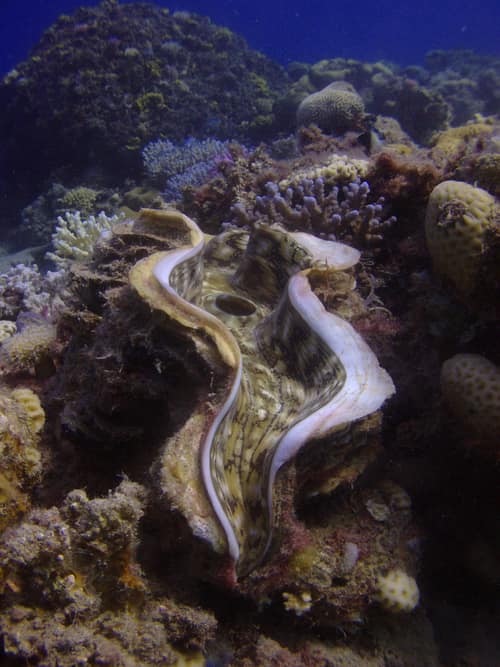
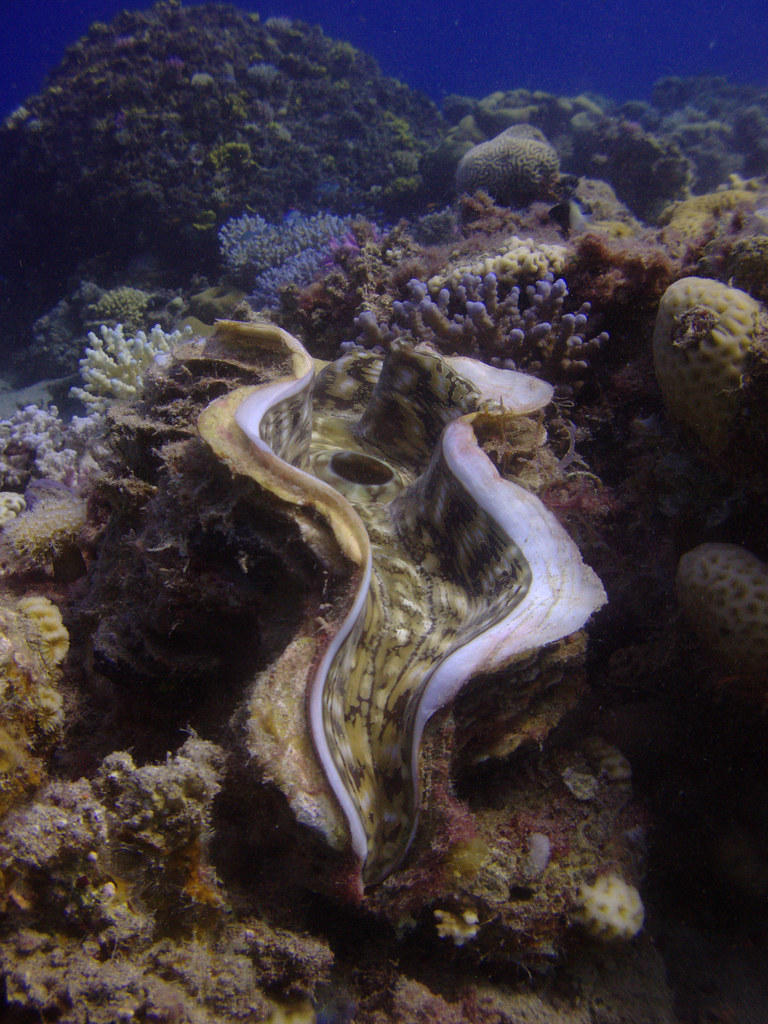
Fluted giant clams anchor themselves to shallow coral reefs, exposing their brilliantly colored, photosynthetic mantles to the tropical sun. These bivalves grow prominent, leaf-like flutes on their shells that provide shelter for small reef fish and invertebrates. By hosting symbiotic algae, they generate most of their own food while filtering organic particles from the passing current.
Reef-dwellingColorfulPhotosynthetic
—observations
—countries
—peak records
Least ConcernConservation statusIUCN Red List categoriesLCNTVUENCREWEXLeast ConcernRed List categories, explained →
Diet & preyPhytoplankton, Dissolved organic nutrients
Predators
- Pyramidellid snails
- Crabs
- Octopuses
ThreatsOverharvesting for food and the aquarium trade, habitat degradation, and coral bleaching
HabitatsShallow coral reefs and lagoons
Life spanOver 100 years
Classification
- FamilyCardiidae
- SpeciesTridacna squamosa
Range data is not available yet.
Interaction riskLow
- Low
- Moderate
- High
- Very high
- Why interaction risk is low
- Safe to observe at a normal distance while diving or snorkeling.
- What to notice
- Recognizable by the large, well-spaced, leaf-like flutes projecting from the shell ridges.
- Support conservation
- Never touch, anchor near, or disturb these clams; report any suspected poaching to local marine authorities.
Responsible observation
- Do Not Touch: Avoid touching the sensitive mantle tissue, which causes the clam to snap shut.
- Maintain Distance: Keep a respectful distance to prevent blocking the sunlight they need for photosynthesis.
- Watch for Spawning: Look for synchronized spawning events, which typically occur during spring high tides.
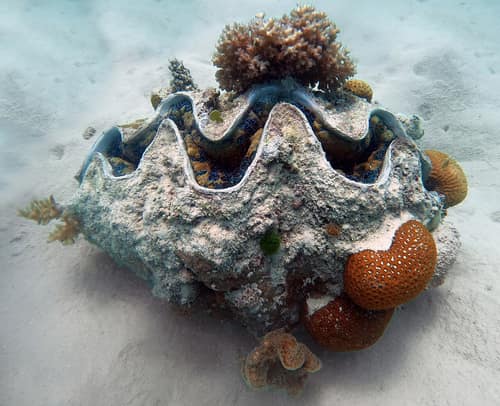
Close Relative Charles J. Sharp / CC BY-SA 4.0 · cc-by-sa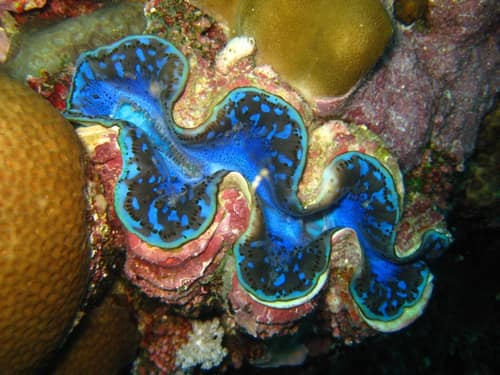
Close Relative (c) Micha Baum, some rights reserved (CC BY-SA), uploaded by Micha Baum · cc-by-sa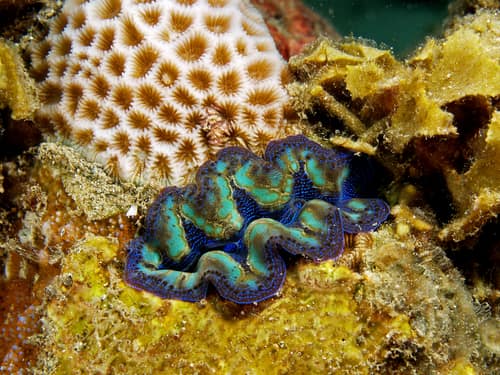
Close Relative (c) Nhobgood, some rights reserved (CC BY-SA) · cc-by-sa
Help improve the field guideSomething wrong?
Checking your Fauna account…Report a name, category, or profile issue for review.