
Invertebrate
Southern Giant Clam
Tridacna derasaAlso known as Smooth Giant Clam, Derasa Clam, Apricot Clam
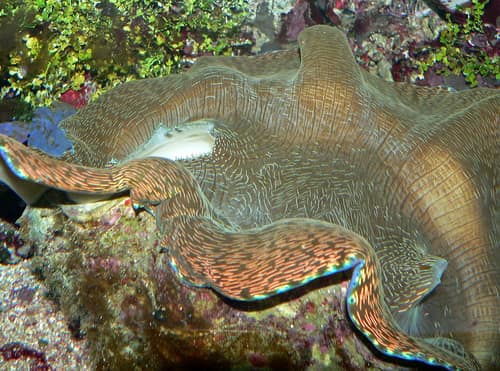
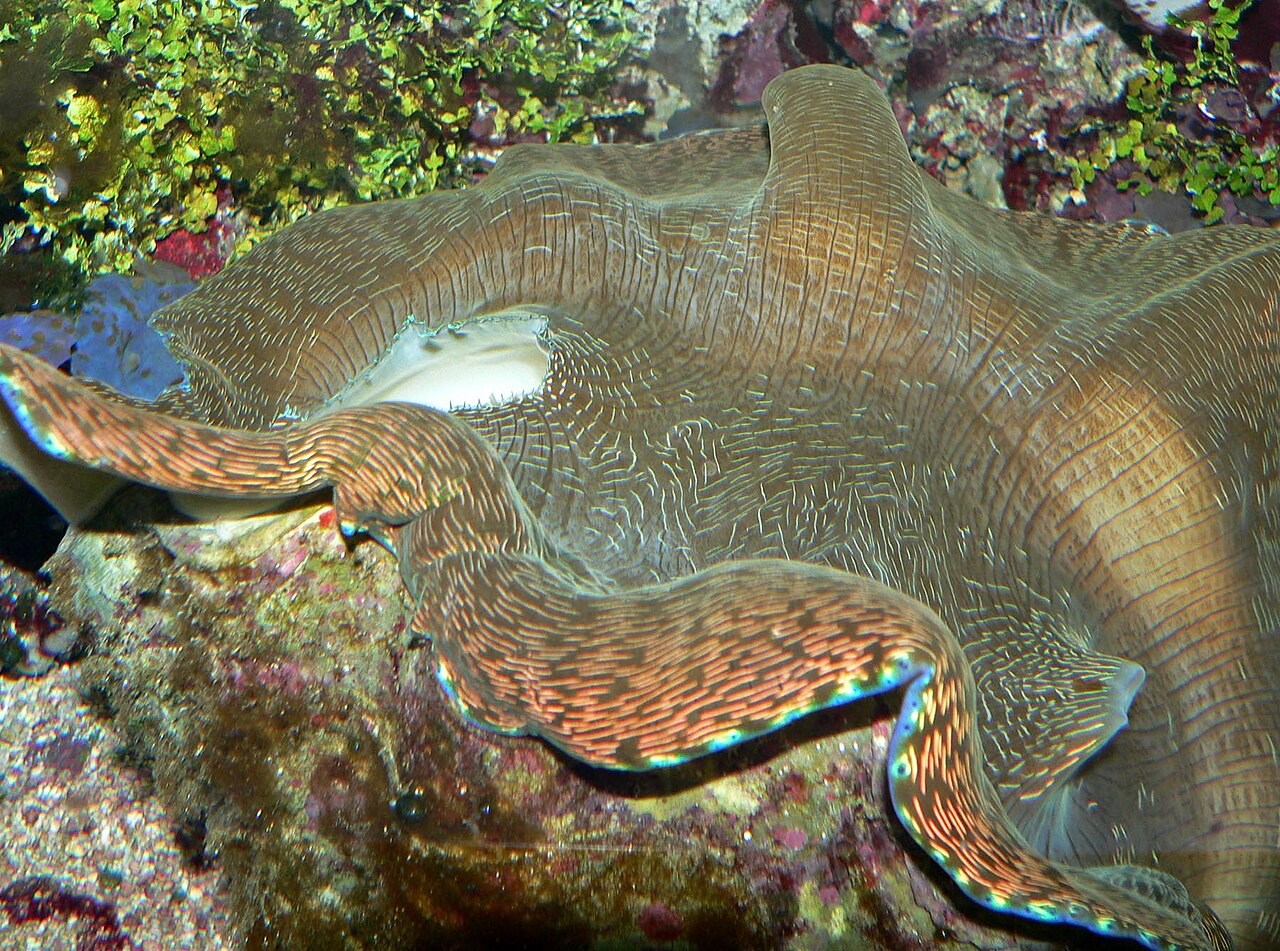
Southern giant clams are magnificent reef-dwelling bivalves known for their smooth, heavy shells and brilliantly colored mantles. They host symbiotic algae within their tissues, which provide the clam with nutrients through photosynthesis in exchange for sunlight and protection. These massive mollusks act as living micro-reefs, offering shelter and substrate for numerous small fish, crabs, and invertebrates.
Reef-dwellingSymbiotic
—observations
—countries
—peak records
EndangeredConservation statusIUCN Red List categoriesLCNTVUENCREWEXEndangeredRed List categories, explained →
Diet & preyPhytoplankton, Organic detritus
Predators
- Pyramidellid snails
- Octopuses
- Triggerfish
ThreatsOverharvesting for food and the aquarium trade, habitat degradation, and ocean warming
HabitatsShallow coral reefs, outer reef slopes, and sandy lagoon flats
Life spanUp to 100 years or more
Classification
- FamilyCardiidae
- SpeciesTridacna derasa
Range data is not available yet.
Interaction riskLow
- Low
- Moderate
- High
- Very high
- Why interaction risk is low
- Safe to observe at a normal distance.
- What to notice
- Look for a large, relatively smooth shell with wavy, colorful mantle edges in shallow reef flats.
- Support conservation
- Never touch, step on, or attempt to harvest these protected clams.
Responsible observation
- Avoid touching: Touching the sensitive mantle causes the clam to snap shut, which can pinch.
- Do not block light: Swim around them rather than hovering directly overhead to avoid blocking their sunlight.
- Maintain distance: Keep fins clear of the reef to prevent kicking sand onto their delicate mantles.
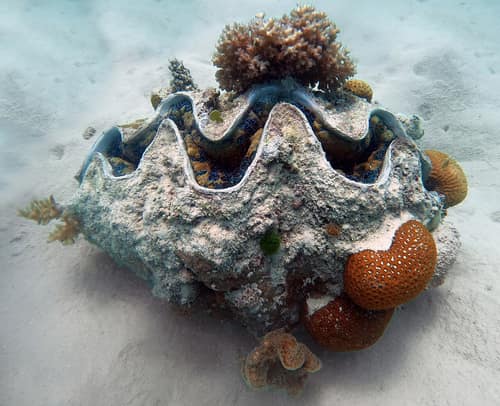
Close Relative Charles J. Sharp / CC BY-SA 4.0 · cc-by-sa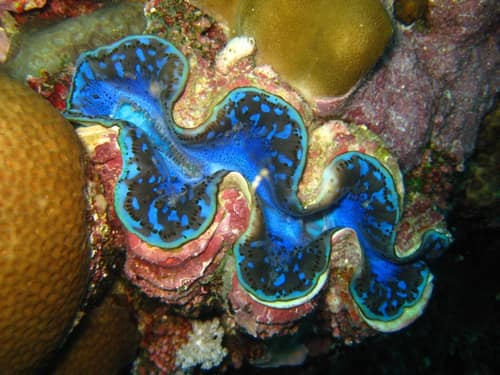
Close Relative (c) Micha Baum, some rights reserved (CC BY-SA), uploaded by Micha Baum · cc-by-sa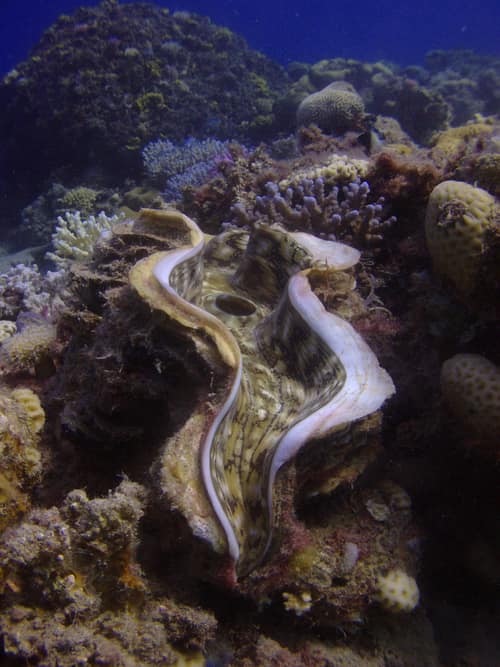
Close Relative "Fluted giant clam #3" by Tim Sheerman-Chase is licensed under CC BY 2.0. To view a copy of this license, visit https://creativecommons.org/licenses/by/2.0/. · cc-by
Help improve the field guideSomething wrong?
Checking your Fauna account…Report a name, category, or profile issue for review.