
Invertebrate
Giant Clam
Tridacna gigasAlso known as Gigas Giant Clam, True Giant Clam
Giant clams are the largest living bivalve molluscs, anchoring themselves to shallow coral reefs where they can grow to over a meter in length. Their massive, fluted shells house a brilliant, fleshy mantle that glows with iridescent blues, greens, and golds due to symbiotic algae living within their tissues. These gentle giants rely on sunlight to nourish their algae, which in turn provide the clam with the majority of its food.
MarineReef-DwellingSymbiotic
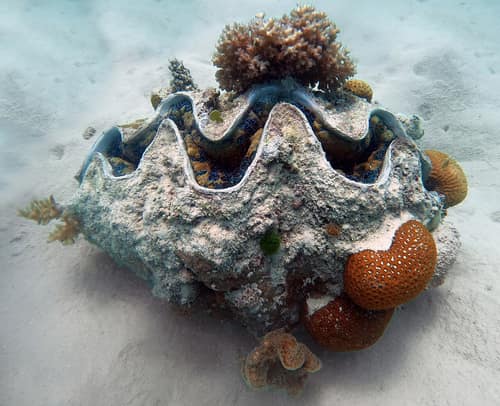
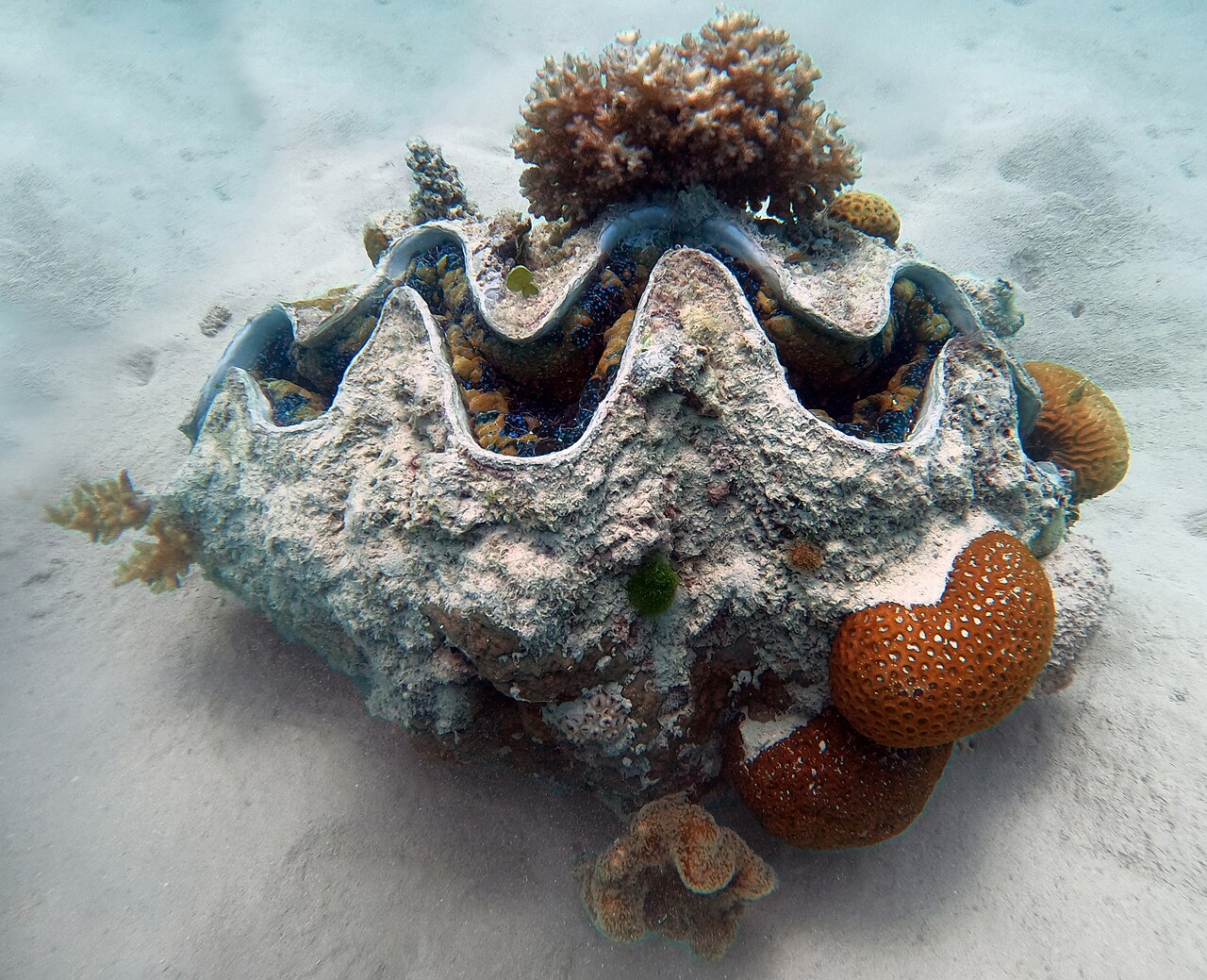
—observations
—countries
—peak records
Critically EndangeredConservation statusIUCN Red List categoriesLCNTVUENCREWEXCritically EndangeredRed List categories, explained →
Diet & preyPhytoplankton, Microscopic zooplankton, Dissolved organic nutrients
Predators
- Octopuses
- Predatory sea snails
- Humans
ThreatsOverharvesting for food and the aquarium trade, habitat degradation, and ocean warming
HabitatsShallow coral reefs and lagoons
Life spanUp to 100 years or more
Classification
- FamilyCardiidae
- SpeciesTridacna gigas
Range data is not available yet.
Interaction riskLow
- Low
- Moderate
- High
- Very high
- Why interaction risk is low
- Safe to observe at a normal distance.
- What to notice
- Recognizable by its immense size, deeply scalloped shell margin with four to five folds, and a mantle that cannot fully retract.
- Support conservation
- Never touch, step on, or attempt to feed the clam; admire its colors from a respectful swimming distance.
Responsible observation
- Maintain Distance: Avoid touching or hovering directly over the clam, as sudden shadows cause them to snap shut.
- Watch the Mantle: Observe the shimmering iridescent spots, called iridophores, which direct sunlight to their internal algae.
- Do Not Anchor: Ensure boats do not drop anchors nearby, as physical impacts can easily shatter their shells.
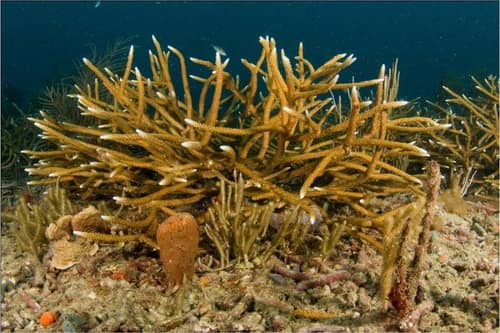
Frequent Companion (c) U.S. Fish and Wildlife Service Southeast Region, some rights reserved (CC BY) · cc-by Image unavailable
Symbiont 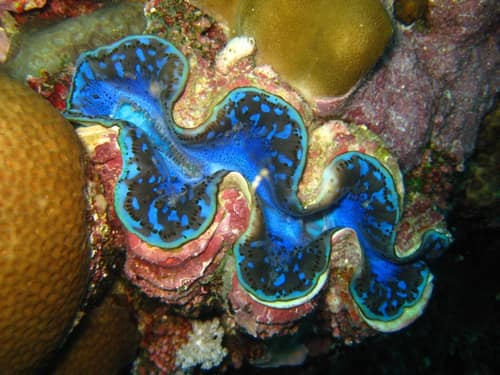
Close Relative (c) Micha Baum, some rights reserved (CC BY-SA), uploaded by Micha Baum · cc-by-sa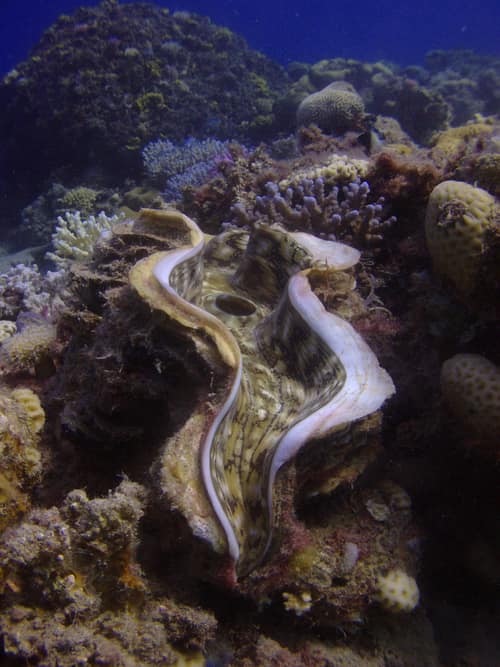
Close Relative "Fluted giant clam #3" by Tim Sheerman-Chase is licensed under CC BY 2.0. To view a copy of this license, visit https://creativecommons.org/licenses/by/2.0/. · cc-by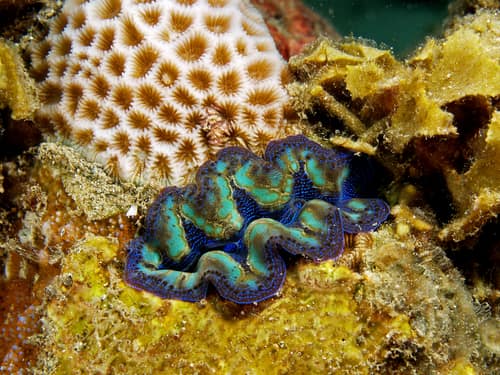
Close Relative (c) Nhobgood, some rights reserved (CC BY-SA) · cc-by-sa
Help improve the field guideSomething wrong?
Checking your Fauna account…Report a name, category, or profile issue for review.