
Invertebrate
Bubble-tip Anemone
Entacmaea quadricolorAlso known as Bulb-tentacle Anemone, Bulb-tip Anemone, Maroon Anemone
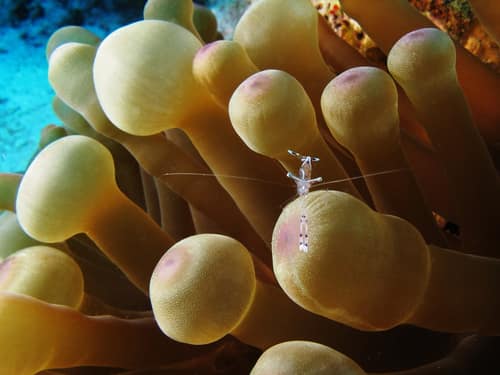
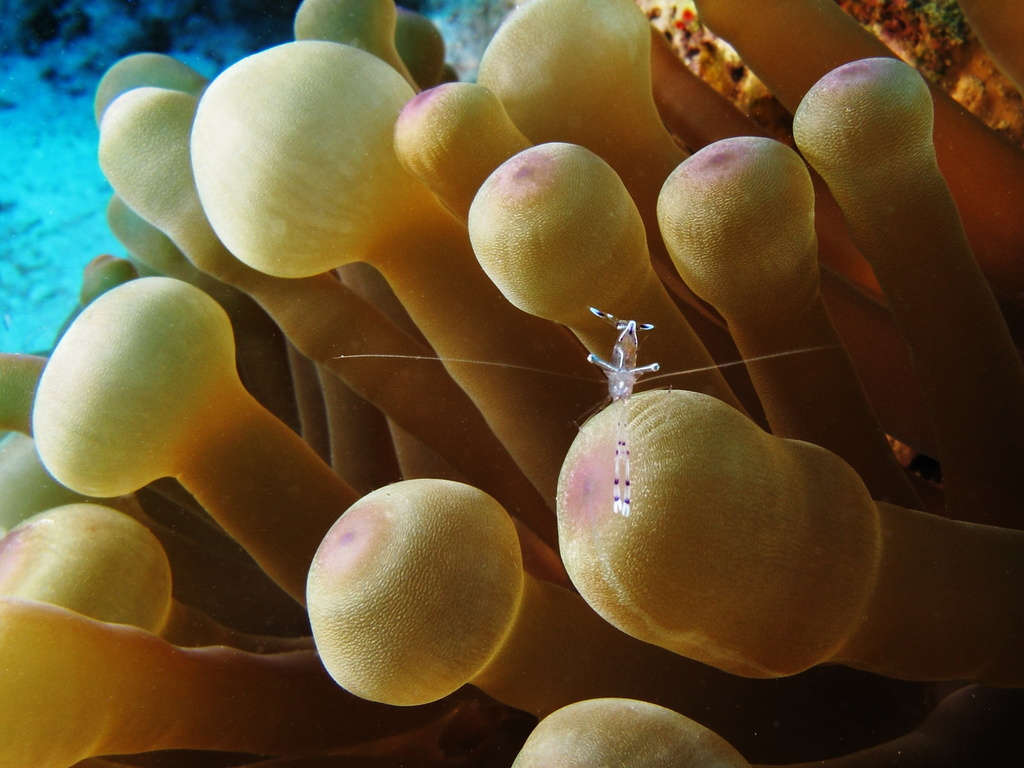
Bubble-tip anemones anchor themselves deep within reef crevices, displaying bulbous, swollen tentacle tips when exposed to bright light and stringy, elongated tentacles in deeper or shaded waters. They host a wide variety of clownfish species, providing protection in exchange for nutrients and defense against predators. These marine invertebrates also rely on symbiotic algae living within their tissues to convert sunlight into energy.
SymbioticReef-dwellingPhotosynthetic
—observations
—countries
—peak records
Not EvaluatedConservation statusIUCN Red List categoriesLCNTVUENCREWEXNot Evaluated — not placed on the risk ladderRed List categories, explained →
Diet & preyPlankton, Small crustaceans, Organic debris
Predators
- Nudibranchs
- Butterflyfish
- Sea stars
ThreatsCoral bleaching, ocean warming, and over-harvesting for the aquarium trade
HabitatsCoral reefs, rocky crevices, and shallow lagoons
Life spanDecades (potentially over 50 years in stable conditions)
Classification
- FamilyActiniidae
- SpeciesEntacmaea quadricolor
Range data is not available yet.
Interaction riskVery high
- Low
- Moderate
- High
- Very high
- Why interaction risk is very high
- Stinging cells can cause mild skin irritation; avoid touching with bare hands.
- Why it is dangerous
- Possesses stinging nematocysts in its tentacles that inject mild toxins to paralyze prey.
- How to recognize a risky encounter
- Recognized by its colorful tentacles, which often swell into bulbous, onion-like shapes near the tips.
- What to do
- Never touch the tentacles with bare skin, and wear protective gloves if handling in an aquarium.
Responsible observation
- Look for clownfish: Spotting a protective clownfish often leads directly to finding the hidden anemone base.
- Observe the tentacles: Notice how individuals in bright, shallow water have bulbous tips, while deeper ones are stringy.
- Keep your distance: Avoid touching the tentacles to prevent triggering their stinging cells and stressing the animal.
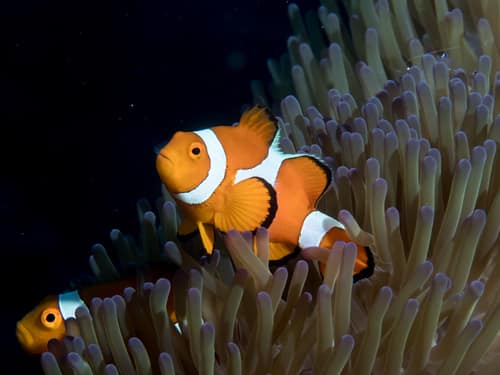
Symbiont "Ocellaris clownfish (Amphiprion ocellaris)" by krokodiver is licensed under CC BY 2.0. To view a copy of this license, visit https://creativecommons.org/licenses/by/2.0/. · cc-by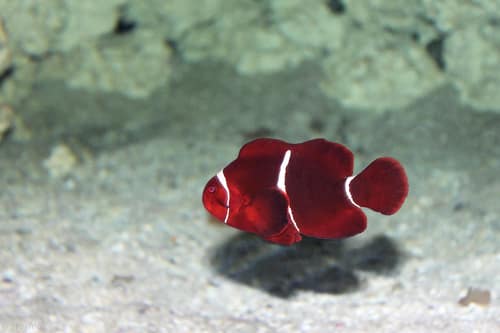
Symbiont "maroon clownfish" by greyloch is licensed under CC BY-SA 2.0. To view a copy of this license, visit https://creativecommons.org/licenses/by-sa/2.0/. · cc-by-sa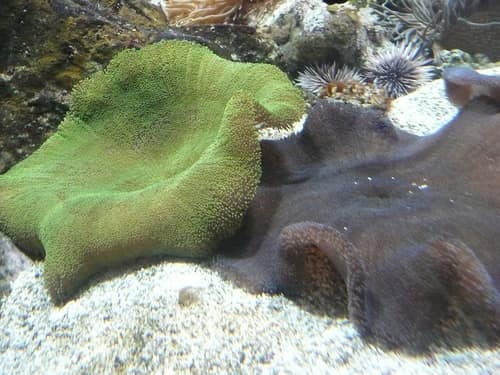
Competitor Liné1 / CC BY-SA 3.0 · cc-by-sa Image unavailable
Close Relative
Help improve the field guideSomething wrong?
Checking your Fauna account…Report a name, category, or profile issue for review.