
Invertebrate
White-clawed Crayfish
Austropotamobius pallipesAlso known as Atlantic Stream Crayfish, White-foot Crayfish
White-clawed crayfish hide beneath stones and tree roots in clean, mineral-rich streams, emerging at night to forage. As the only native crayfish in the British Isles, they play a vital role in freshwater ecosystems by grazing on algae and recycling organic detritus. Their populations have plummeted across Europe due to habitat loss and the spread of crayfish plague carried by introduced species.
FreshwaterNocturnal
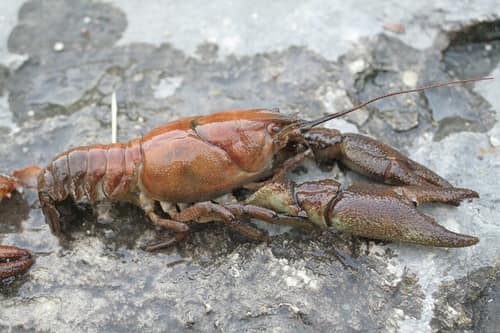
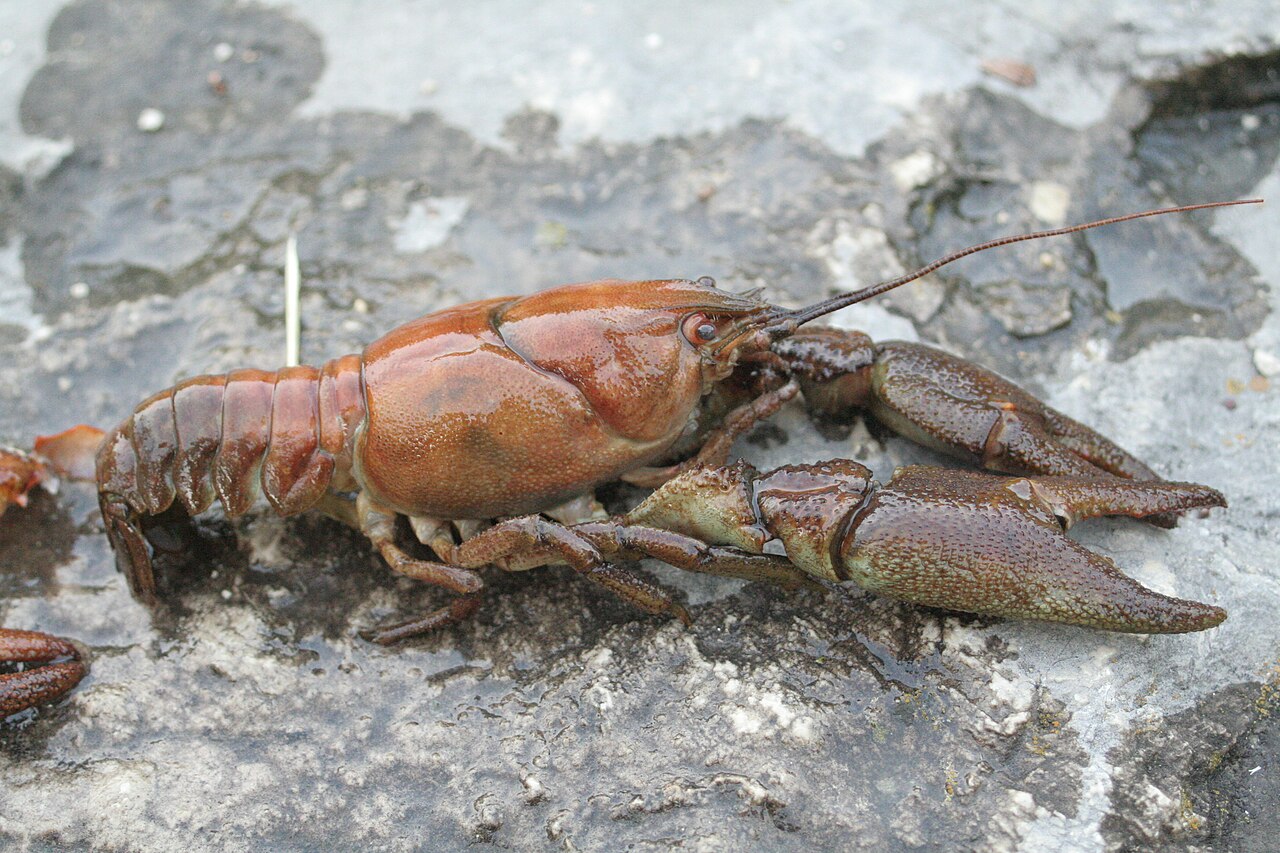
—observations
—countries
—peak records
EndangeredConservation statusIUCN Red List categoriesLCNTVUENCREWEXEndangeredRed List categories, explained →
Diet & preyAquatic insects, Algae, Fallen leaves
Predators
- Otters
- Herons
- Brown trout
ThreatsCrayfish plague, pollution, habitat degradation, and competition from invasive signal crayfish
HabitatsClean, alkaline streams, rivers, lakes, and water-filled quarries with abundant crevices
Life spanUp to 10 to 12 years
Classification
- FamilyAstacidae
- SpeciesAustropotamobius pallipes
Range data is not available yet.
Interaction riskLow
- Low
- Moderate
- High
- Very high
- Why interaction risk is low
- Can pinch with claws if handled; observe without touching to protect this endangered species.
- What to notice
- Look for the distinctive pale or white underside of the claws, contrasting with a dull olive-brown body.
- Support conservation
- Avoid handling entirely and practice strict biosecurity by cleaning, draining, and drying all footwear and equipment after visiting their habitats.
Responsible observation
- Look under stones: Search gently in shallow, clear streams during the day, always replacing overturned rocks exactly as found.
- Use a torch: Spot them active at night by shining a flashlight into quiet pools and stream margins.
- Clean your gear: Disinfect all footwear and pond-dipping equipment before and after visiting waterways to prevent spreading disease.
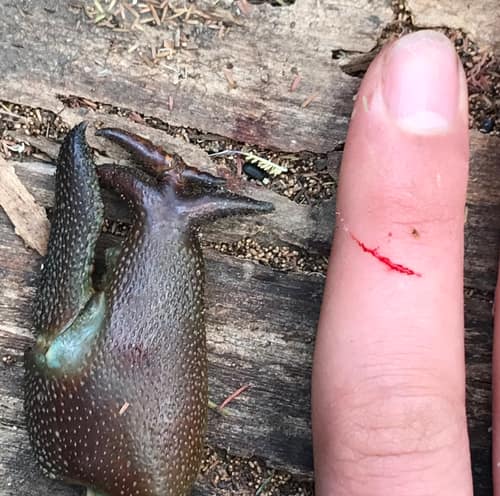
Invasive Competitor (c) Parsa Fard, some rights reserved (CC BY) · cc-by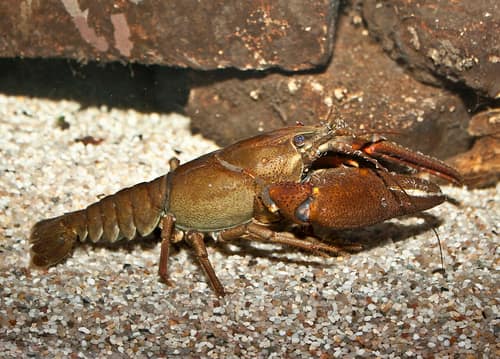
Close Relative Dragon187 / CC BY-SA 3.0 · cc-by-sa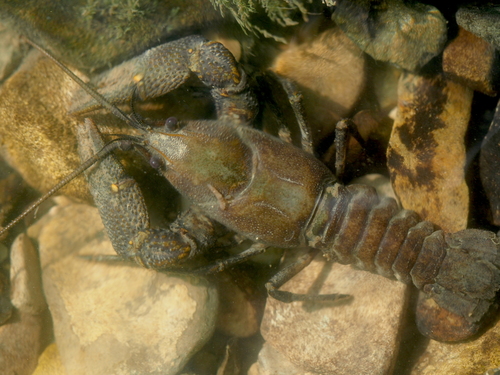
Close Relative (c) carnifex, some rights reserved (CC BY), uploaded by carnifex · cc-by
Help improve the field guideSomething wrong?
Checking your Fauna account…Report a name, category, or profile issue for review.