
Mammal
Eastern White-bearded Wildebeest
Connochaetes taurinus albojubatusAlso known as Eastern White-bearded Gnu, Kenya White-bearded Wildebeest
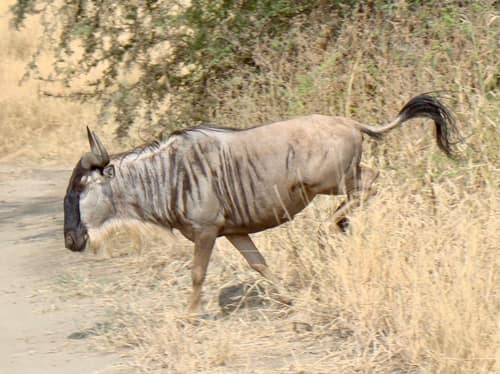
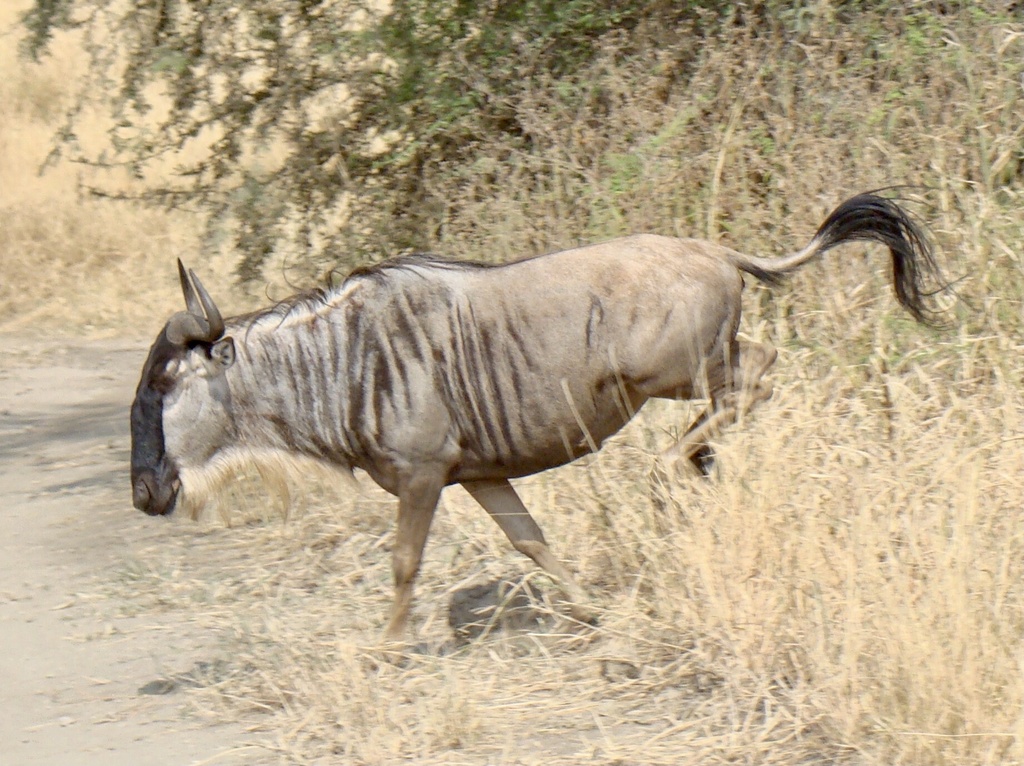
Eastern white-bearded wildebeests are heavy-bodied herd antelopes distinguished by a pale, yellowish-white mane and beard running beneath their chin and throat. They range across open savannas and floodplains east of the Great Rift Valley, undertaking extensive seasonal movements tracking rainfall and fresh grass shoots. During the breeding rut, bulls establish tight, noisy territories, using booming grunts, ground-pawing, and horn clashes to court roving harems.
HerbivoreHerd AnimalSavanna
—observations
—countries
—peak records
Least ConcernConservation statusIUCN Red List categoriesLCNTVUENCREWEXLeast ConcernRed List categories, explained →
Diet & preyRed oat grass (Themeda triandra), Couch grass (Cynodon dactylon), Finger grass (Digitaria species)
Predators
- Lion
- Spotted Hyena
- Nile Crocodile
ThreatsFencing, agricultural encroachment, poaching, and drought
HabitatsOpen grasslands, acacia savannas, and seasonally flooded plains
Life span15–20 years in the wild
Classification
- FamilyBovidae
- SpeciesConnochaetes taurinus albojubatus
Range data is not available yet.
Interaction riskHigh
- Low
- Moderate
- High
- Very high
- Why interaction risk is high
- Large, powerful herd animal capable of charging or trampling; observe safely from inside a safari vehicle.
- Why it is dangerous
- Weighing up to 260 kilograms with sharp, hooked horns, startled or cornered individuals can charge, gore, or trample bystanders.
- How to recognize a risky encounter
- Recognizable by high sloping shoulders, a slate-grey coat, curved cow-like horns, and a distinct creamy-white throat beard.
- What to do
- Maintain a distance of at least 30 meters, remain inside your vehicle, and never position yourself between a mother and her calf.
Responsible observation
- Vehicle Etiquette: Stay inside enclosed safari vehicles and keep noise low to avoid triggering herd panics.
- Breeding Season Observation: Watch for territorial displays and rhythmic head-tossing among competing bulls during the rut.
- Calving Windows: Look for synchronous birthing peaks between January and March across open plains.
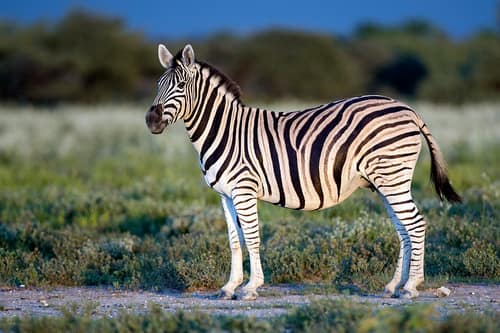
Frequent Companion Yathin S Krishnappa / CC BY-SA 3.0 · cc-by-sa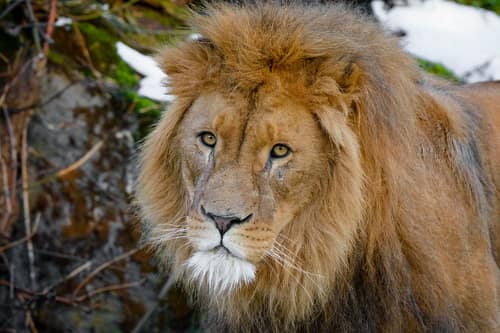
Predator "African Lion" by Mathias Appel is marked with CC0 1.0. To view the terms, visit https://creativecommons.org/publicdomain/zero/1.0/. · cc0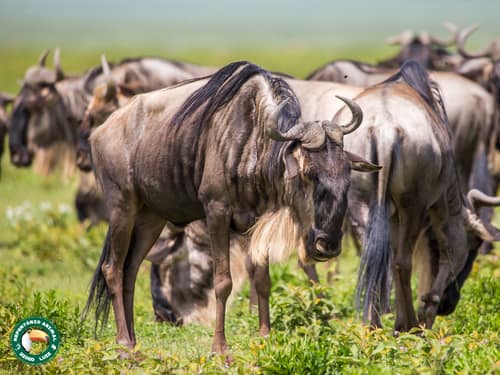
Close Relative (c) Diogo Luiz, some rights reserved (CC BY), uploaded by Diogo Luiz · cc-by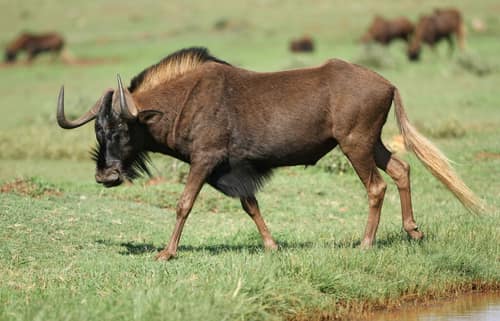
Close Relative (c) Derek Keats, some rights reserved (CC BY) · cc-by
Help improve the field guideSomething wrong?
Checking your Fauna account…Report a name, category, or profile issue for review.