
Mammal
Cookson's Wildebeest
Connochaetes taurinus cooksoniAlso known as Luangwa Wildebeest, Cookson's Gnu
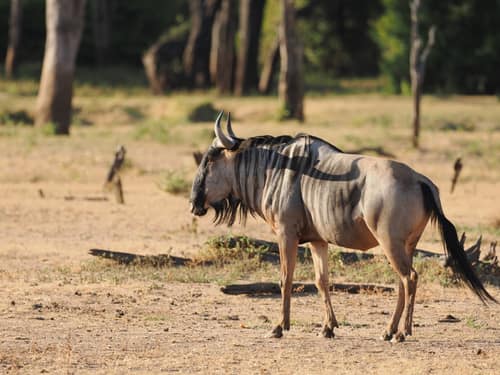
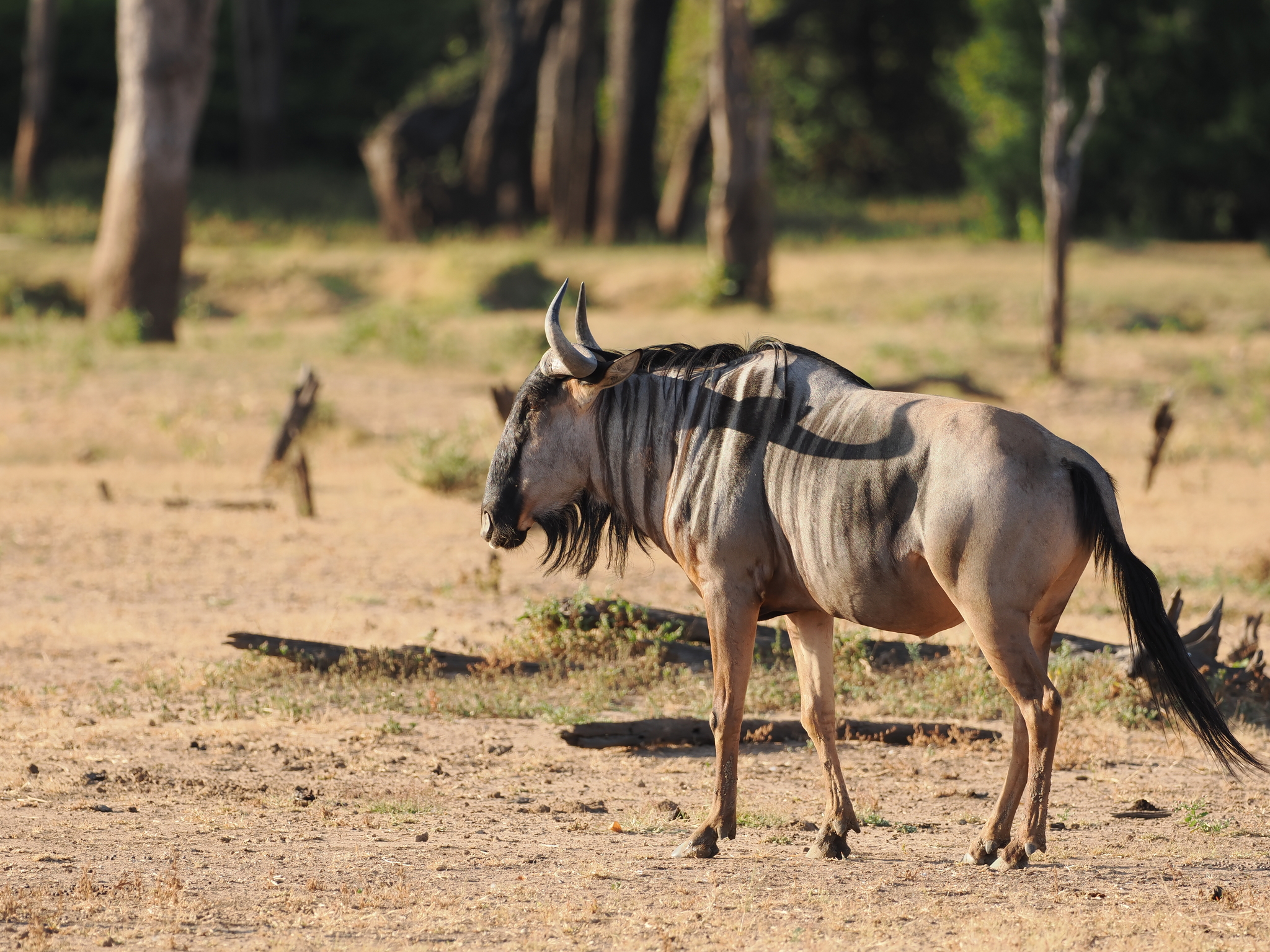
Cookson's wildebeests roam the silty floodplains and woodlands of Zambia's Luangwa Valley, easily distinguished by their lighter, pinkish-grey coats and unique horn sweeps. These social grazers form tight-knit bachelor herds and harem groups, moving in response to seasonal water availability rather than undertaking massive continental migrations. Their constant grazing helps maintain the structure of the valley's savanna grasslands, benefiting a host of smaller herbivores.
SocialGrazerEndemic
—observations
—countries
—peak records
Least ConcernConservation statusIUCN Red List categoriesLCNTVUENCREWEXLeast ConcernRed List categories, explained →
Diet & preyShort grasses, Fresh green shoots, Forbs
Predators
- Lions
- Spotted hyenas
- Nile crocodiles
ThreatsHabitat fragmentation, illegal poaching, and severe drought
HabitatsSavanna woodlands, river valleys, and open floodplains
Life span15 to 20 years
Classification
- FamilyBovidae
- SpeciesConnochaetes taurinus cooksoni
Range data is not available yet.
Interaction riskHigh
- Low
- Moderate
- High
- Very high
- Why interaction risk is high
- Large and unpredictable when threatened; maintain a safe distance of at least fifty meters.
- Why it is dangerous
- Adults weigh up to 250 kilograms and can charge at high speeds if they feel cornered or if protecting calves.
- How to recognize a risky encounter
- Look for a front-heavy build, curved horns, and a light brownish-grey coat with dark vertical stripes.
- What to do
- Never approach on foot; remain inside your safari vehicle and keep a respectful distance.
- What to notice
- Recognized by its lighter, pinkish-tan hue compared to other darker blue wildebeest subspecies.
- Support conservation
- Support local conservation initiatives and stick strictly to designated park tracks to prevent habitat degradation.
Responsible observation
- Vehicle Safaris: Observe these herds from the safety of an open-top safari vehicle to avoid startling them.
- Binocular Viewing: Watch for their distinctive head-tossing displays and loud snorting alarms from a distance.
- Dry Season Timing: Visit riverbanks during the dry winter months when herds congregate near remaining water sources.
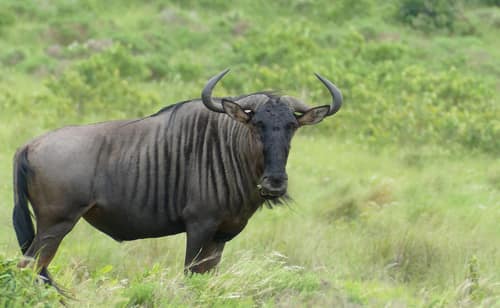
Nominate Subspecies Bernard Dupont / CC BY-SA 2.0 · CC BY-SA 2.0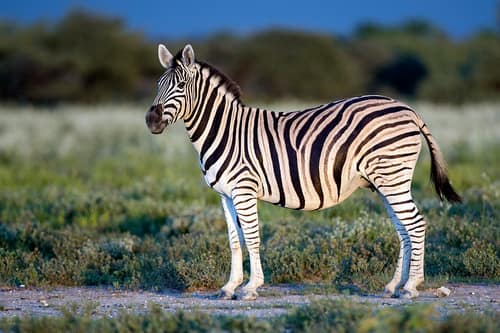
Frequent Companion Yathin S Krishnappa / CC BY-SA 3.0 · cc-by-sa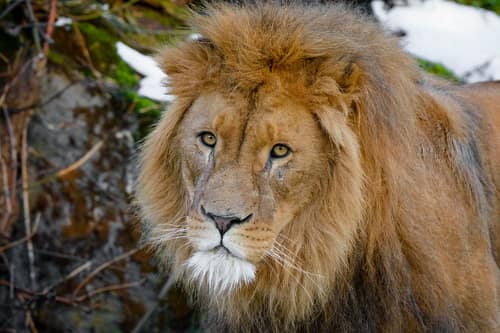
Apex Predator "African Lion" by Mathias Appel is marked with CC0 1.0. To view the terms, visit https://creativecommons.org/publicdomain/zero/1.0/. · cc0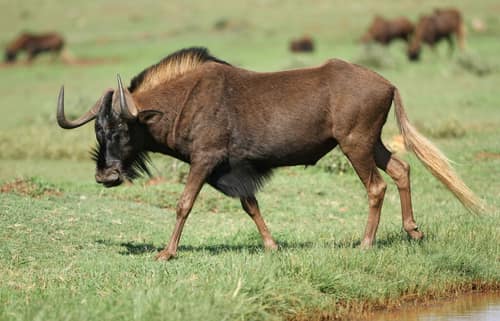
Close Relative (c) Derek Keats, some rights reserved (CC BY) · cc-by
Help improve the field guideSomething wrong?
Checking your Fauna account…Report a name, category, or profile issue for review.