
Mammal
Rothschild's Giraffe
Giraffa camelopardalis rothschildiAlso known as Baringo Giraffe, Ugandan Giraffe
Rothschild's giraffes tower over the East African savannas, distinguished by their exceptionally tall stature and unique cream-colored legs that lack any spotting. These social giants live in loose, gender-segregated herds, browsing high in the acacia canopy using their long, prehensile blue-purple tongues. Today, their survival relies heavily on intensive conservation management and protected sanctuaries in Kenya and Uganda.
HerbivoreSavanna
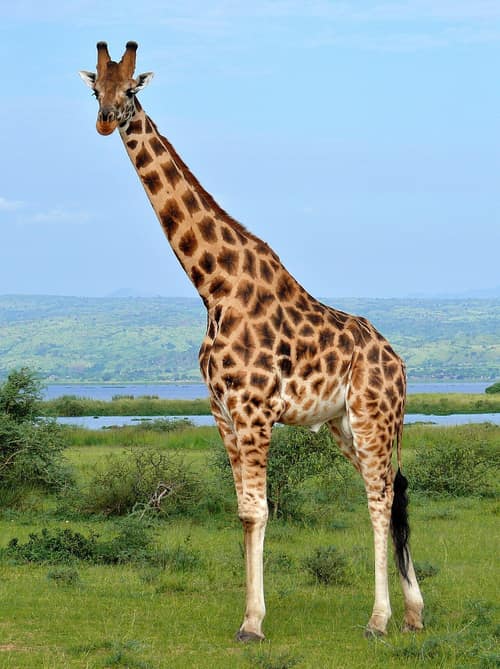
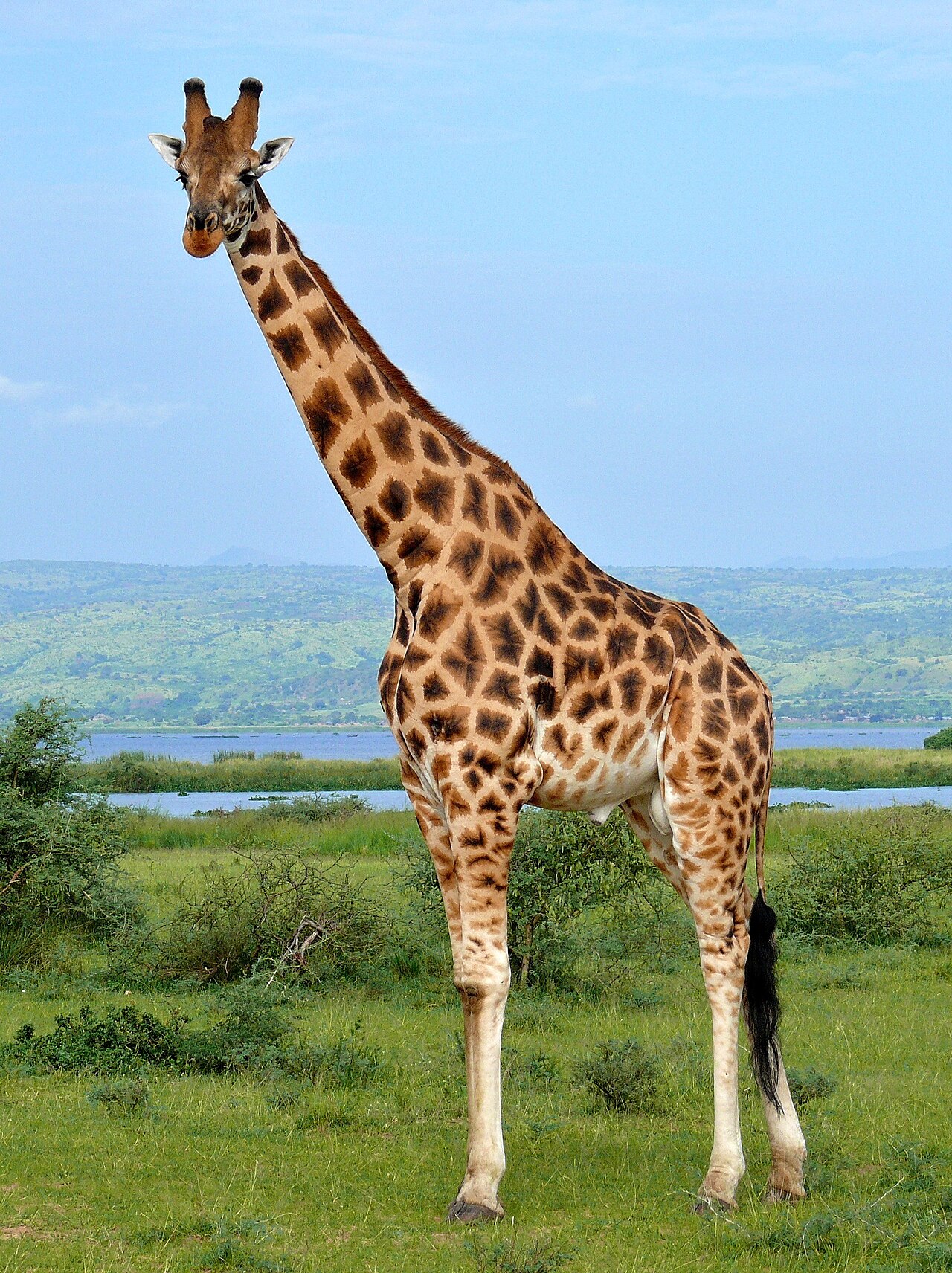
—observations
—countries
—peak records
EndangeredConservation statusIUCN Red List categoriesLCNTVUENCREWEXEndangeredRed List categories, explained →
Diet & preyHerbivorous browser, feeding primarily on acacia leaves, shoots, and fruits
Predators
- Lions
- Leopards
- Spotted hyenas
ThreatsHabitat loss, poaching, agricultural expansion, and population fragmentation
HabitatsSavannas, grasslands, and open woodlands
Life span20 to 25 years in the wild, up to 28 years in captivity
Classification
- FamilyGiraffidae
- SpeciesGiraffa camelopardalis rothschildi
Range data is not available yet.
Interaction riskHigh
- Low
- Moderate
- High
- Very high
- Why interaction risk is high
- A large animal capable of delivering lethal kicks; maintain a safe distance during safaris.
- Why it is dangerous
- Adults weigh over a ton and can deliver powerful, bone-shattering kicks in defense of themselves or their calves.
- How to recognize a risky encounter
- Recognizable by their towering height, long necks, and large ossicones on their heads.
- What to do
- Never approach on foot in the wild; always remain inside your safari vehicle.
- What to notice
- Look for the characteristic white stockings on the lower legs and pale, golden-brown patches.
- Support conservation
- Observe quietly from safari vehicles and support verified conservation sanctuaries in East Africa.
Responsible observation
- Safari Etiquette: Keep vehicles at a respectful distance to avoid startling the herd.
- Sanctuary Visits: Follow all handler instructions when feeding them at authorized conservation centers.
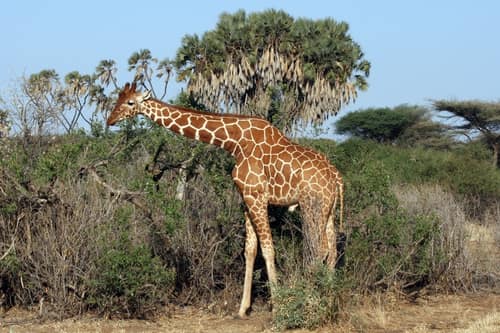
Close Relative (c) Michal Sloviak, some rights reserved (CC BY), uploaded by Michal Sloviak · cc-by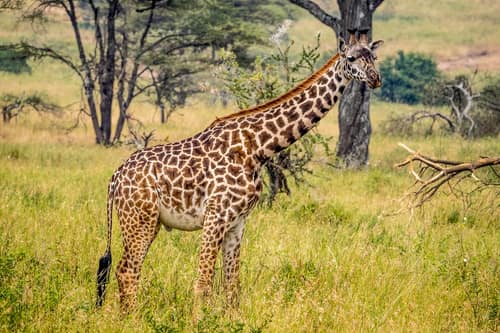
Close Relative "Masai Giraffe / Masai Mara / Kenya" by fotopamas is licensed under CC BY 2.0. To view a copy of this license, visit https://creativecommons.org/licenses/by/2.0/. · cc-by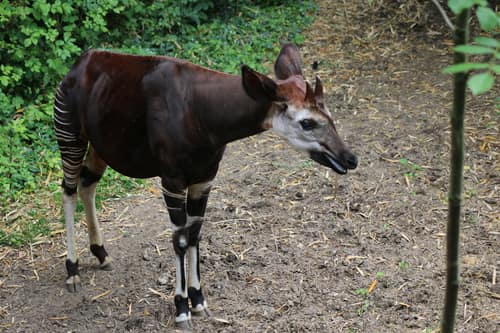
Family Member (c) Melvin TOULLEC, some rights reserved (CC BY-SA) · cc-by-sa
Help improve the field guideSomething wrong?
Checking your Fauna account…Report a name, category, or profile issue for review.