
Plant
Hayfield Tarweed
Hemizonia congestaAlso known as White Tarweed, Congested Tarweed
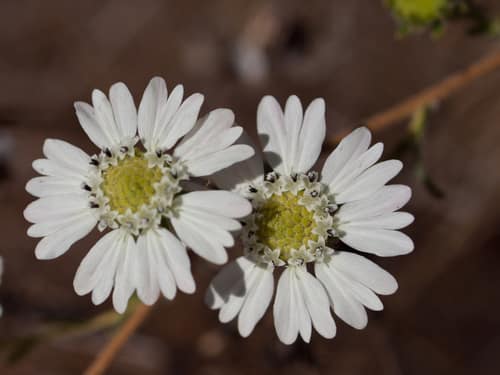
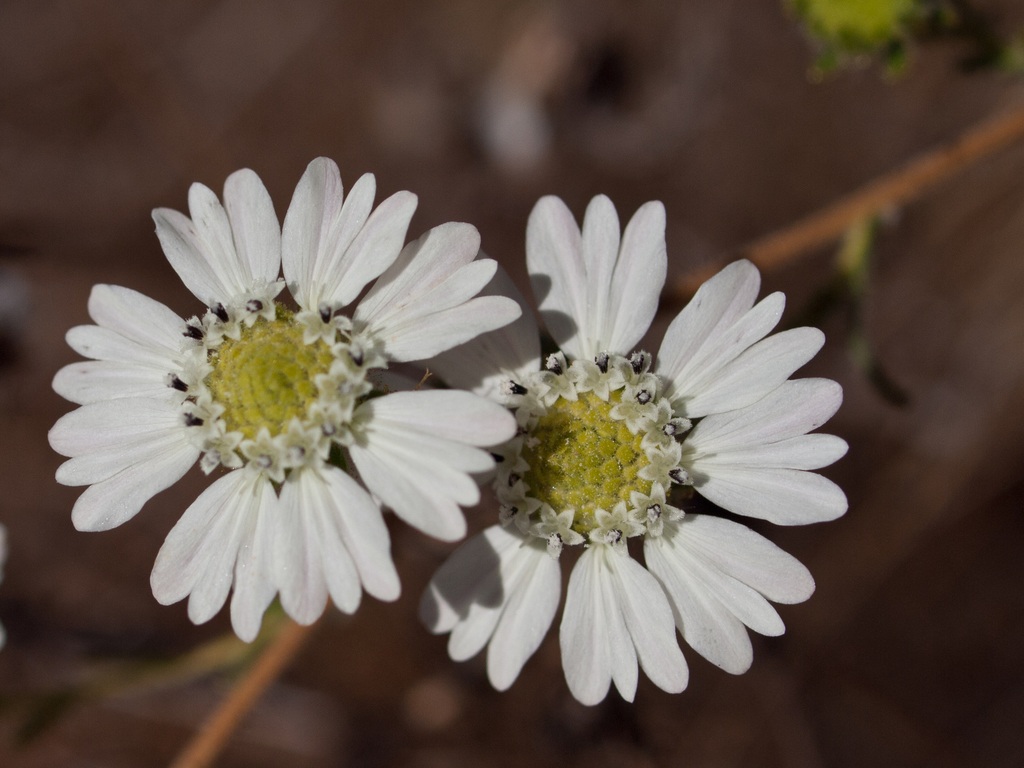
Hayfield tarweed blooms late into the summer dry season long after most other annual grassland plants have withered away. Its stems and foliage are coated in sticky gland-tipped hairs that release a pungent, aromatic resin designed to deter herbivores and retain moisture. The daisy-like flower heads feature white or pale yellow ray petals with characteristic three-lobed tips, providing essential late-season forage for native pollinators.
FloweringAromaticNative Plant
—observations
—countries
—peak records
Least ConcernConservation statusIUCN Red List categoriesLCNTVUENCREWEXLeast ConcernRed List categories, explained →
Diet & preyAutotrophic (Photosynthetic)
Predators
- Livestock
- Deer
- Grasshoppers
ThreatsInvasive weed competition, urban development, agricultural conversion
HabitatsGrasslands, pastures, coastal scrub, oak woodlands
Life spanAnnual
Classification
- FamilyAsteraceae
- SpeciesHemizonia congesta
Range data is not available yet.
Interaction riskLow
- Low
- Moderate
- High
- Very high
- Why interaction risk is low
- Safe to observe at a normal distance.
Responsible observation
- Seasonal timing: Look for blooms from late spring through early autumn in open grasslands.
- Scent identification: Gently brush near the foliage to detect its rich, tar-like aroma.
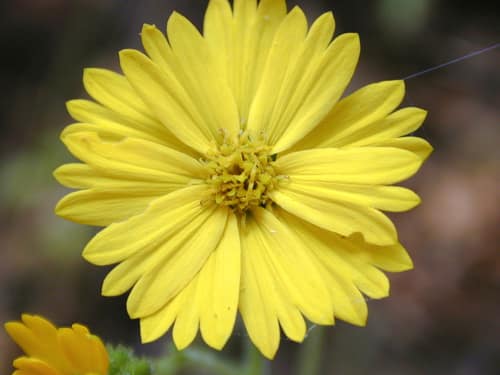
Close Relative (c) Dawn Endico, some rights reserved (CC BY-SA) · cc-by-sa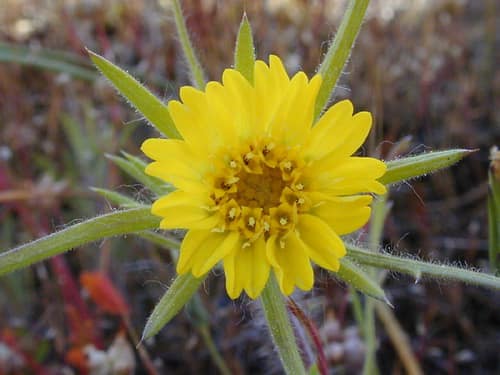
Close Relative Dianne Fristrom / CC BY-SA 3.0 · cc-by-sa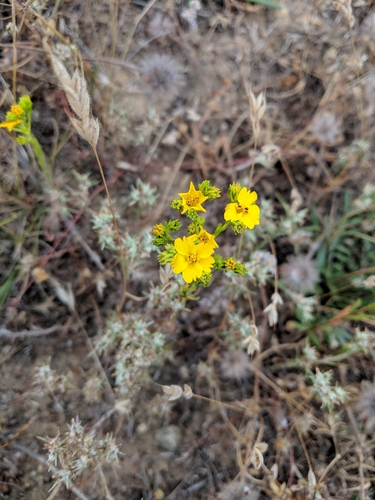
Close Relative (c) Zack Abbey, some rights reserved (CC BY) · cc-by
Help improve the field guideSomething wrong?
Checking your Fauna account…Report a name, category, or profile issue for review.