
Plant
Western Goldenrod
Euthamia occidentalisAlso known as Western Flat Topped Goldenrod, Western Goldentop, Western Flat-topped Goldenrod
Western goldenrod thrives in soggy soils along riverbanks, irrigation ditches, and marsh borders throughout western North America. Unlike upright plume-forming goldenrods, it bears its bright yellow flower heads in broad, flat-topped clusters atop slender stems lined with narrow, resin-scented leaves. It forms extensive clonal colonies via creeping rhizomes, providing vital nectar for migrating monarchs and nesting cover for wetland wildlife late into the autumn.
WetlandWildflowerPollinator Magnet
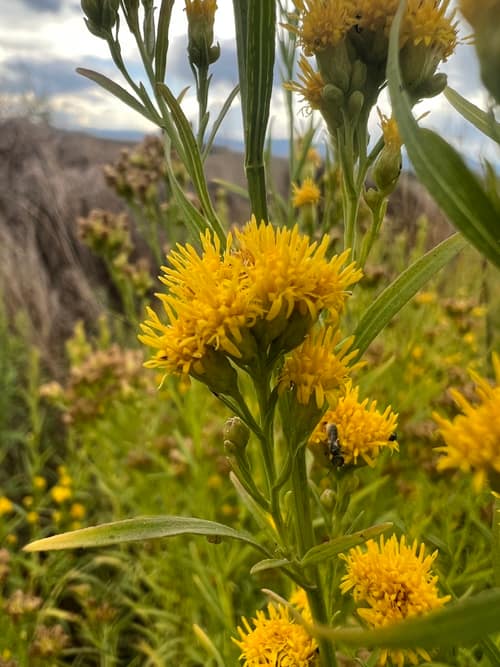
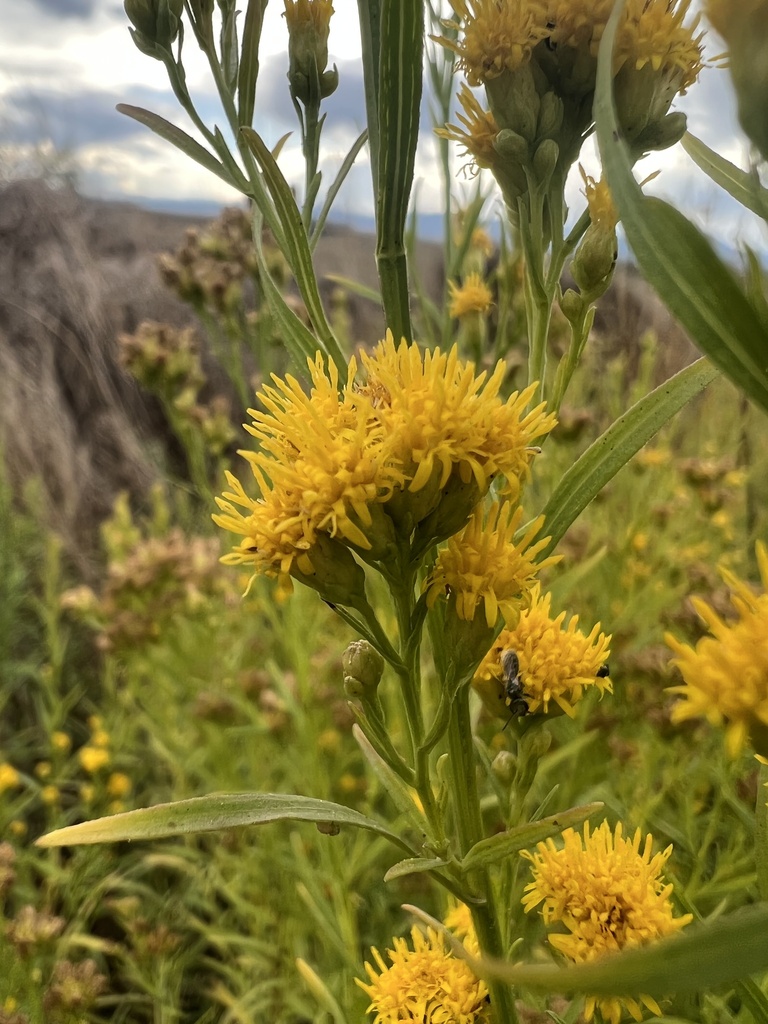
—observations
—countries
—peak records
Least ConcernConservation statusIUCN Red List categoriesLCNTVUENCREWEXLeast ConcernRed List categories, explained →
Diet & preyPhotosynthetic
Predators
- Mule deer
- Leaf beetles
- Aphids
ThreatsWetland drainage, waterway diversion, and competition from invasive reed grasses
HabitatsStream banks, marshes, wet meadows, irrigation canals, and riparian floodplains
Life spanPerennial
Classification
- FamilyAsteraceae
- SpeciesEuthamia occidentalis
Range data is not available yet.
Interaction riskLow
- Low
- Moderate
- High
- Very high
- Why interaction risk is low
- Safe to observe at a normal distance.
Responsible observation
- Best Viewing: Search damp stream banks, ditches, and lake margins from August through October.
- Pollinator Watching: Watch the dense yellow corymbs for diverse native bees, syrphid flies, and butterflies.
- Identification: Crush a leaf gently to detect the resinous scent characteristic of flat-topped goldenrods.
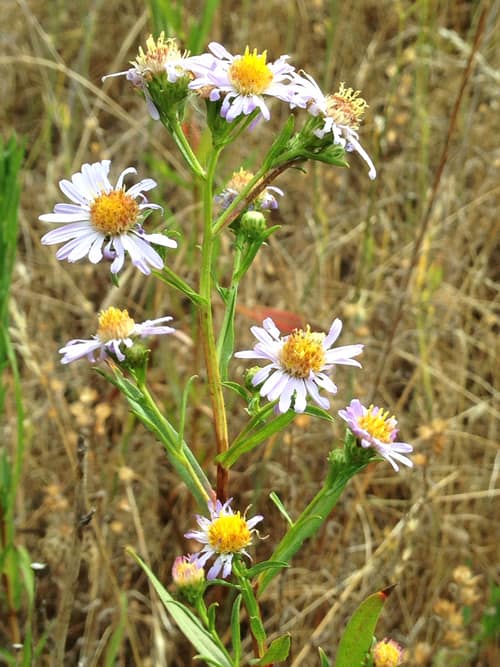
Neighbor (c) Ken-ichi Ueda, some rights reserved (CC BY), uploaded by Ken-ichi Ueda · cc-by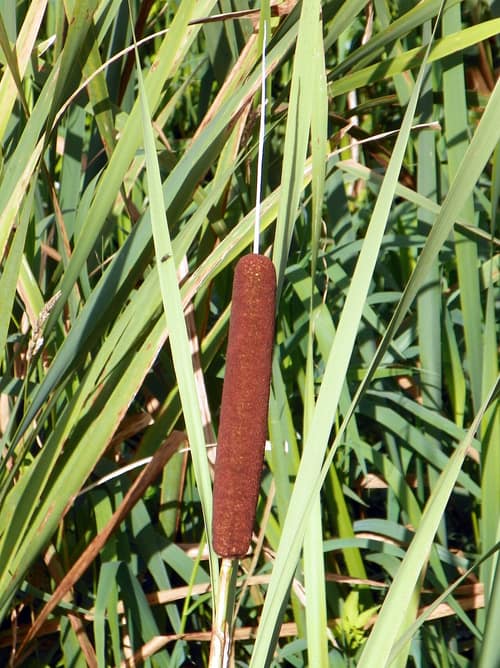
Wetland Neighbor Peter O'Connor aka anemoneprojectors from Stevenage, United Kingdom / CC BY-SA 2.0 · cc-by-sa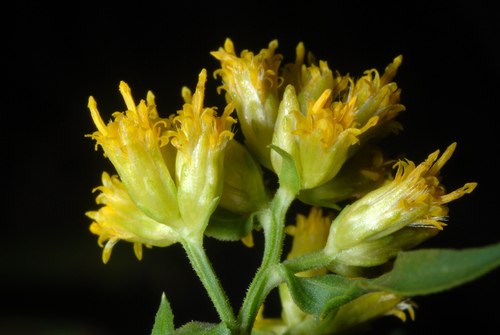
Close Relative (c) Douglas Goldman, some rights reserved (CC BY-SA), uploaded by Douglas Goldman · cc-by-sa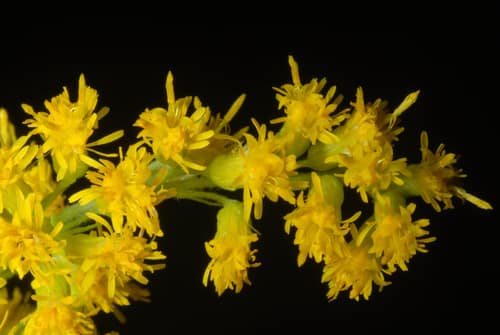
Same Family (c) Douglas Goldman, some rights reserved (CC BY-SA), uploaded by Douglas Goldman · cc-by-sa
Help improve the field guideSomething wrong?
Checking your Fauna account…Report a name, category, or profile issue for review.