Also known as American Cow-parsnip, Indian Celery, Indian Rhubarb, Pushki
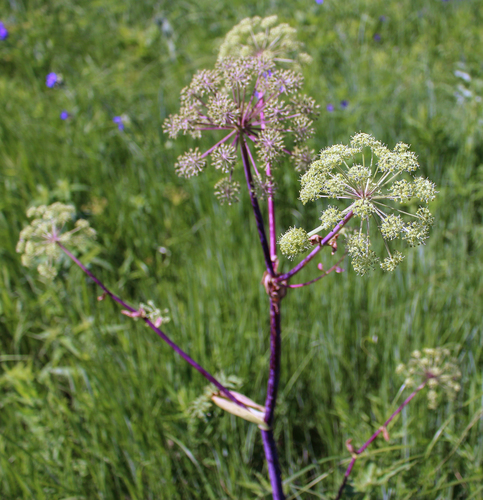
Common cowparsnip towers over subalpine meadows and moist riverbanks, producing massive umbrella-like clusters of white blossoms that attract hundreds of diverse pollinating insects. Its enormous, lobed foliage provides essential cover and forage for native wildlife such as black bears and elk, which relish the succulent early spring shoots. Despite its ecological value, the plant produces sap laden with phototoxic chemicals that can blister human skin when triggered by natural sunlight.
ThreatsHabitat loss from urban development and widespread herbicide spraying along roadsides
HabitatsMoist meadows, forest clearings, streambanks, and subalpine slopes
Life spanPerennial (typically 2 to 5 years)
Classification
OrderApiales
FamilyApiaceae
GenusHeracleum
SpeciesHeracleum maximum
Range & activity
Range data is not available yet.
Safe observation
Interaction riskHigh
Low
Moderate
High
Very high
Why interaction risk is high
Sap causes severe blistering and burning when exposed to sunlight; avoid touching stems and foliage.
Why it is dangerous
Contains furanocoumarins in the sap that induce severe phytophotodermatitis, resulting in painful rashes, fluid-filled blisters, and long-lasting hyperpigmentation when exposed to ultraviolet light.
How to recognize a risky encounter
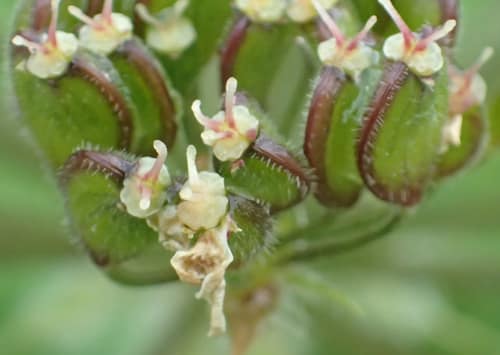
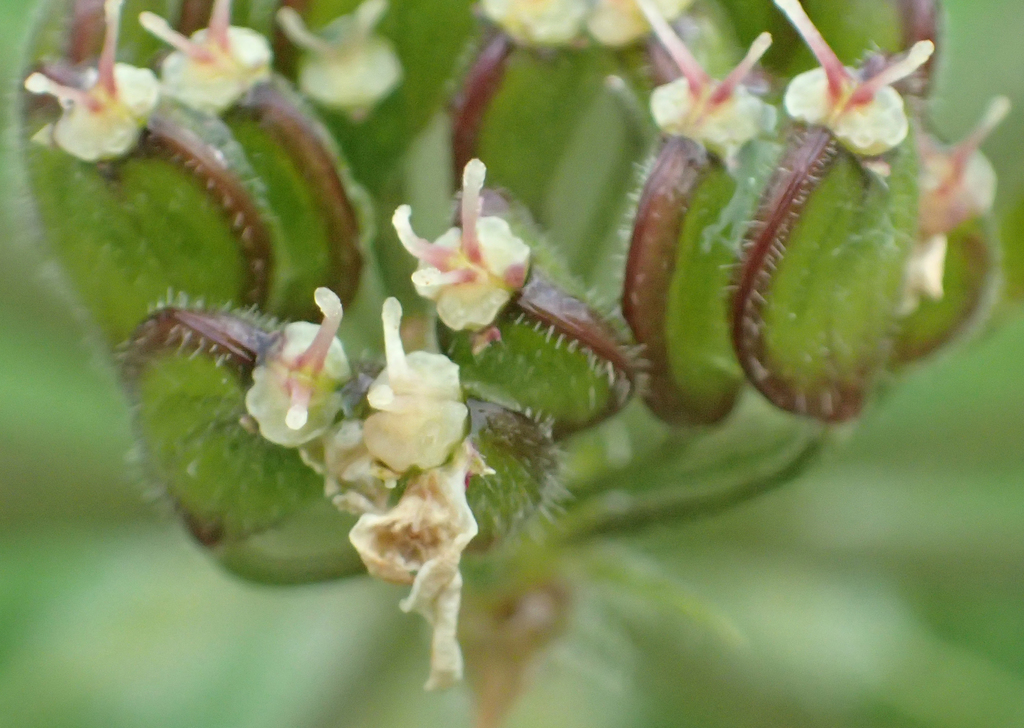
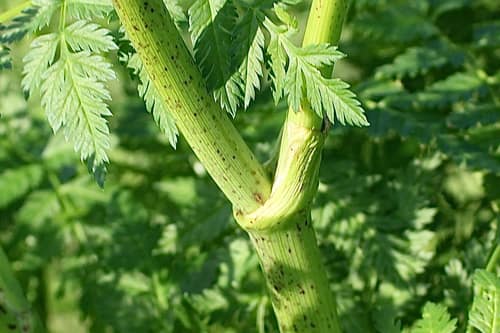
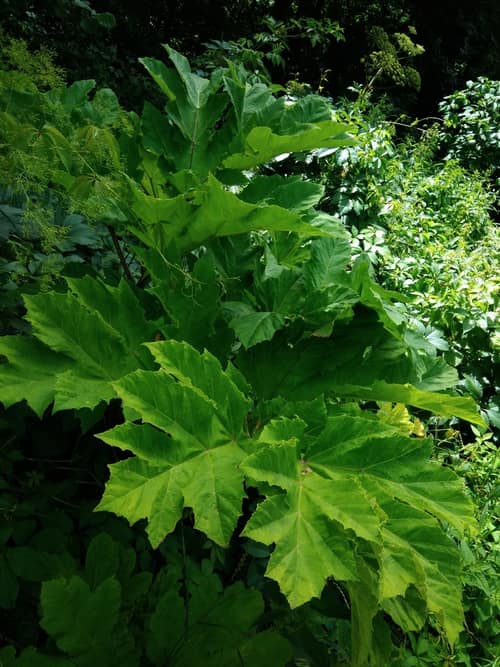
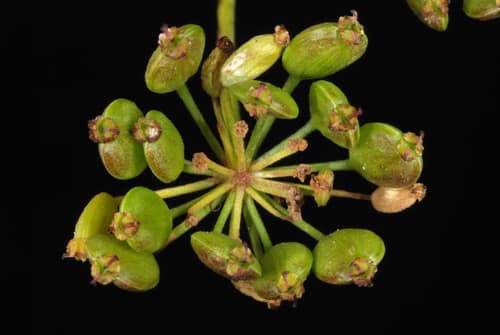
Look for hollow, deeply ridged, hairy green stems, broad maple-shaped leaves divided into three leaflets, and flat-topped umbels of tiny white flowers.
What to do
Never touch with bare hands or weed-whack without protective clothing; use long sleeves, eye protection, and gloves if clearing nearby areas.
Responsible observation
Safe Observation: View from trails without brushing bare skin against the foliage or broken stems.
Sun Protection: If skin contacts sap, wash immediately with soap and water and shield the area from sunlight.