
Plant
Wild Carrot
Daucus carotaAlso known as Queen Anne's Lace, Bird's Nest, Bishop's Lace, Carrot Flower
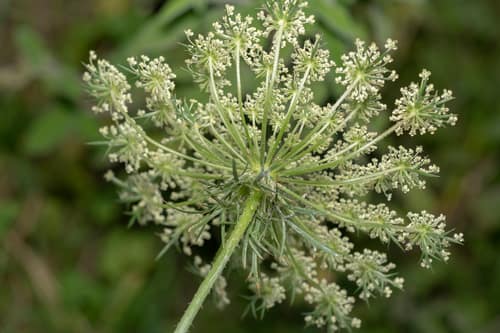
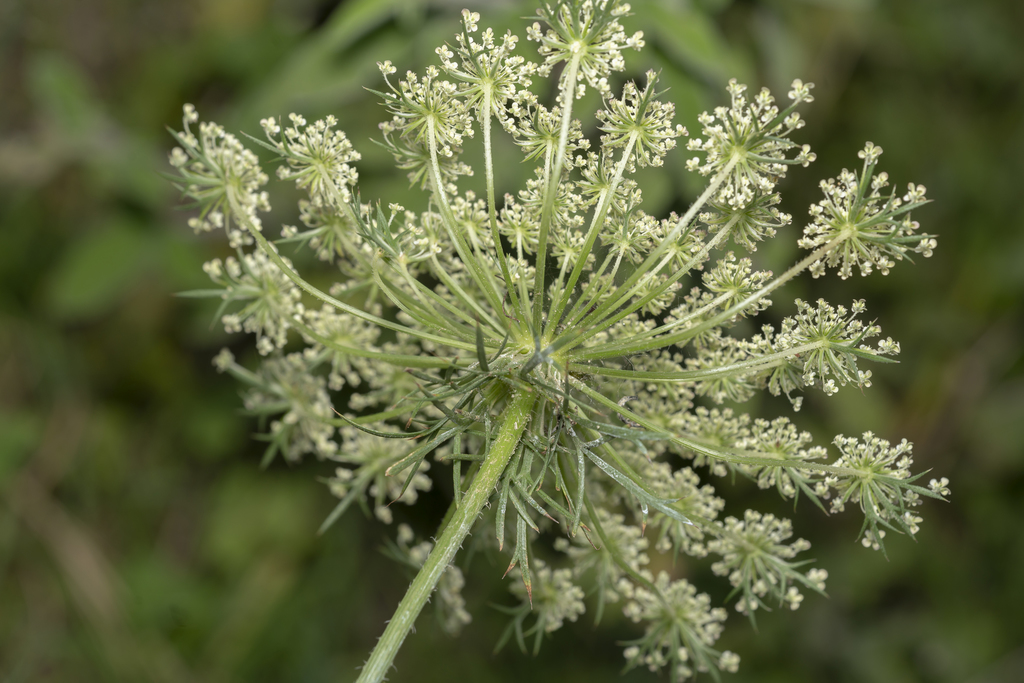
Wild carrot forms dense flat-topped clusters of tiny white flowers that curl inward into a tight nest shape as seeds mature. Basking in full sun along roadsides and grassy fields, it attracts a wide array of pollinators ranging from tiny solitary bees to beetles. As a biennial, it spends its first year developing a deep taproot before sending up tall flower stalks during its second summer.
WildflowerBiennialPollinator Magnet
—observations
—countries
—peak records
Least ConcernConservation statusIUCN Red List categoriesLCNTVUENCREWEXLeast ConcernRed List categories, explained →
Diet & preyPhotosynthetic
Predators
- Black Swallowtail Caterpillar
- Deer
- Voles
ThreatsMowing, herbicide use, intensive agriculture
HabitatsFields, roadsides, pastures, disturbed soil
Life span2 years
Classification
- OrderApiales
- FamilyApiaceae
- GenusDaucus
- SpeciesDaucus carota
Range data is not available yet.
Interaction riskLow
- Low
- Moderate
- High
- Very high
- Why interaction risk is low
- Plant sap causes skin irritation in bright sunlight, and deadly look-alikes exist; avoid touching or ingesting wild plants.
- Why it is dangerous
- Sap contains furanocoumarins that trigger phytophotodermatitis in sunlight, and foliage strongly resembles deadly poison hemlock.
- How to recognize a risky encounter
- Look for hairy stems without purple spots, finely divided fern-like leaves, and a single dark central floret.
- What to do
- Wear gloves when handling stems to prevent rashes, and never ingest wild white flower heads.
Responsible observation
- Central Floret: Look closely at the center of the white flower umbrella for a tiny dark red or purple flower.
- Seed Nest: Observe how mature flower heads curl inward to form a bowl resembling a bird's nest.
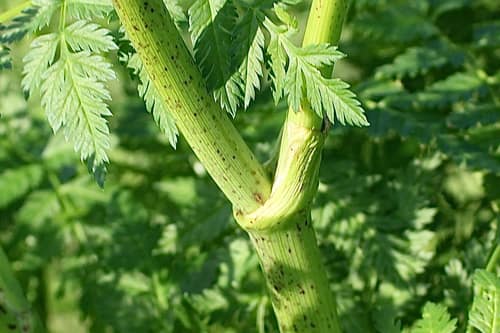
Toxic Look-Alike (c) L.J. Lamera, some rights reserved (CC BY), uploaded by L.J. Lamera · cc-by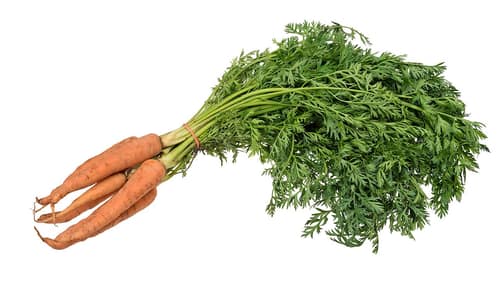
Domesticated Subspecies Evan-Amos / Public domain · cc0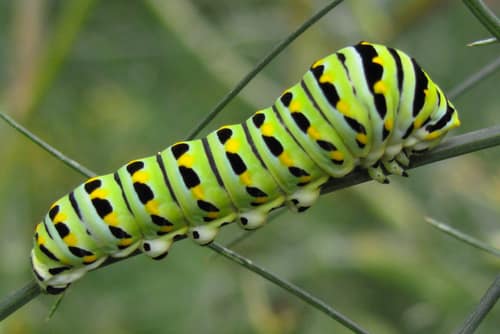
Larval Host "black swallowtail caterpillar" by animantis is licensed under CC BY 2.0. To view a copy of this license, visit https://creativecommons.org/licenses/by/2.0/. · cc-by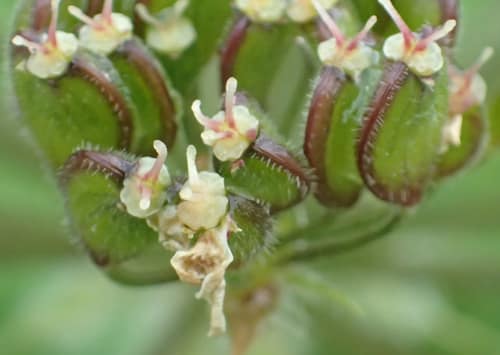
Family Relative (c) Connie Taylor, some rights reserved (CC BY), uploaded by Connie Taylor · cc-by
Help improve the field guideSomething wrong?
Checking your Fauna account…Report a name, category, or profile issue for review.