
Plant
Cherry-plum
Prunus cerasiferaAlso known as Myrobalan Plum, Myrobalan
Cherry-plum trees burst into a vibrant display of white or pale pink blossoms early in spring, frequently blooming before the leaves fully emerge. Native to Southeast Europe and Western Asia, these small trees or shrubs produce smooth, rounded fruits that attract songbirds and small mammals for seed dispersal. Widely planted as ornamental trees, dark-leaved cultivars line suburban streets and parkways across temperate regions worldwide.
FloweringDeciduousOrnamental
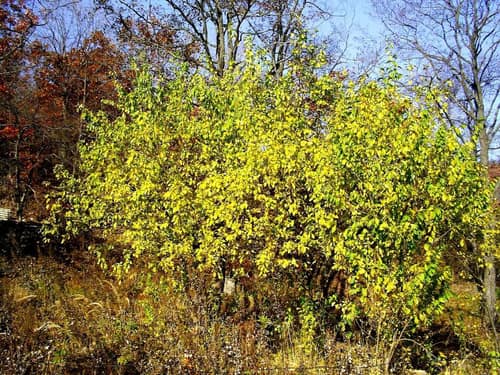
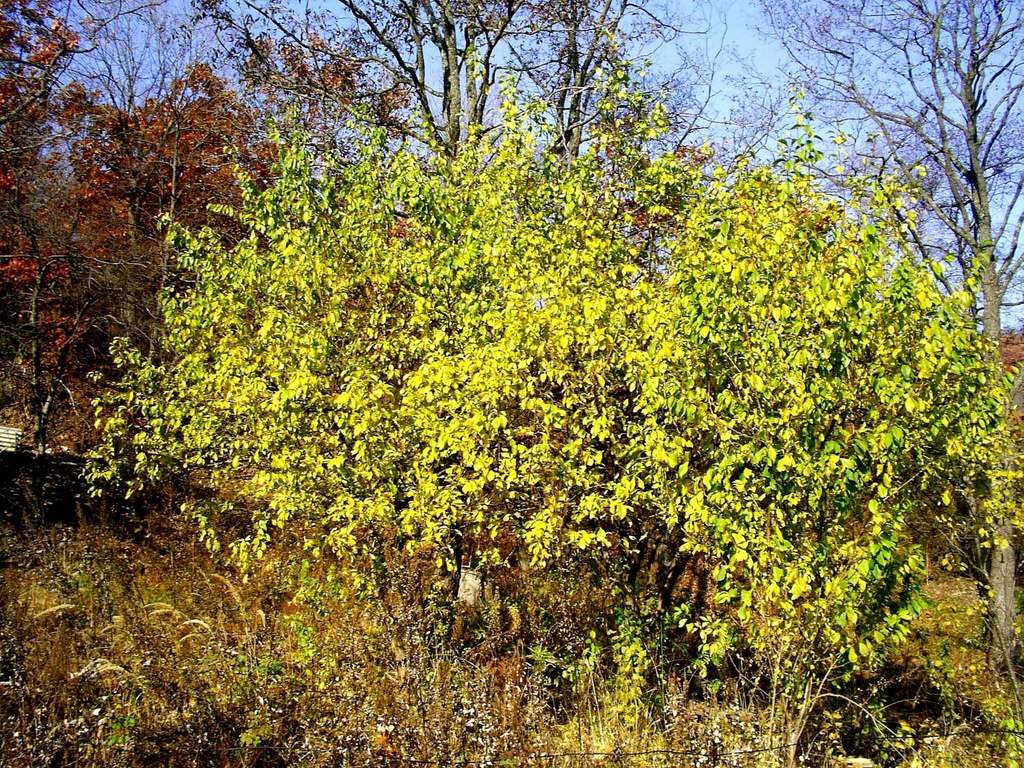
—observations
—countries
—peak records
Data DeficientConservation statusIUCN Red List categoriesLCNTVUENCREWEXData Deficient — not placed on the risk ladderRed List categories, explained →
Diet & preyAutotrophic (Photosynthesis)
Predators
- Birds
- Mammals
- Caterpillars
ThreatsBacterial canker, fungal diseases, urban land development
HabitatsWoodland margins, thickets, hedgerows, urban parks, riverbanks
Life span30–50 years
Classification
- OrderRosales
- FamilyRosaceae
- GenusPrunus
- SpeciesPrunus cerasifera
Range data is not available yet.
Interaction riskHigh
- Low
- Moderate
- High
- Very high
- Why interaction risk is high
- Wild fruits have toxic look-alikes; never eat wild plants based on app identification alone.
Responsible observation
- Spring Identification: Look for early five-petaled blossoms appearing before or alongside emerging leaves.
- Bark Observation: Examine the dark reddish-brown bark, which becomes finely fissured with age.
- Wildlife Watching: Frame foraging songbirds in summer as they harvest fruits from high branches.
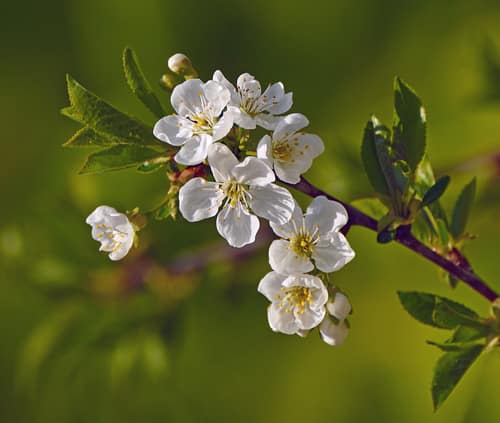
Descendant (c) Ввласенко, some rights reserved (CC BY-SA) · cc-by-sa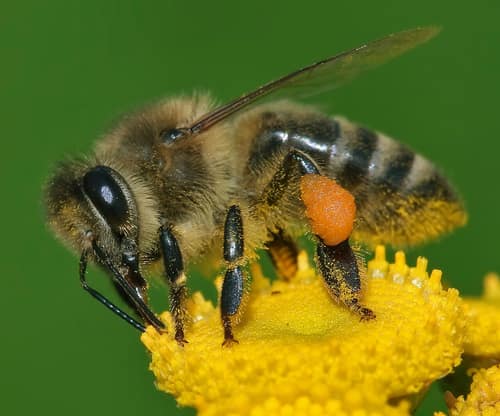
Pollinator Andreas Trepte / CC BY-SA 2.5 · cc-by-sa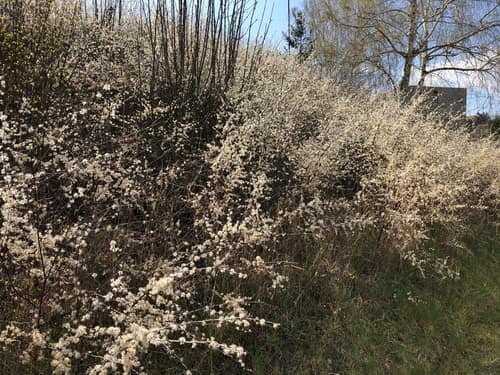
Close Relative (c) Pavel Kacl, some rights reserved (CC BY), uploaded by Pavel Kacl · cc-by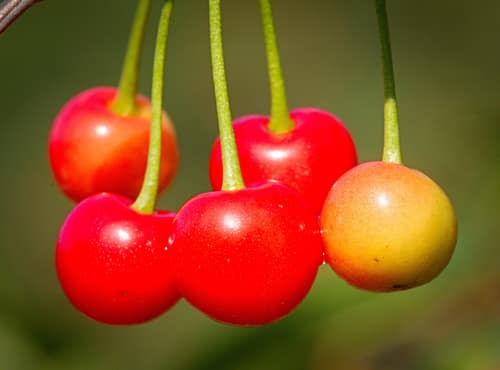
Close Relative (c) hedera.baltica, some rights reserved (CC BY-SA) · cc-by-sa
Help improve the field guideSomething wrong?
Checking your Fauna account…Report a name, category, or profile issue for review.