
Plant
California Poppy
Eschscholzia californicaAlso known as Golden Poppy, Mexican Poppy, California Sunlight, Cup of Gold
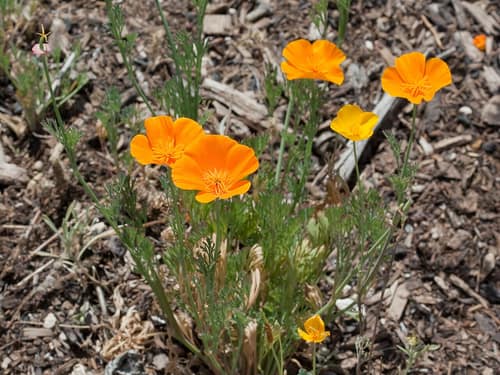
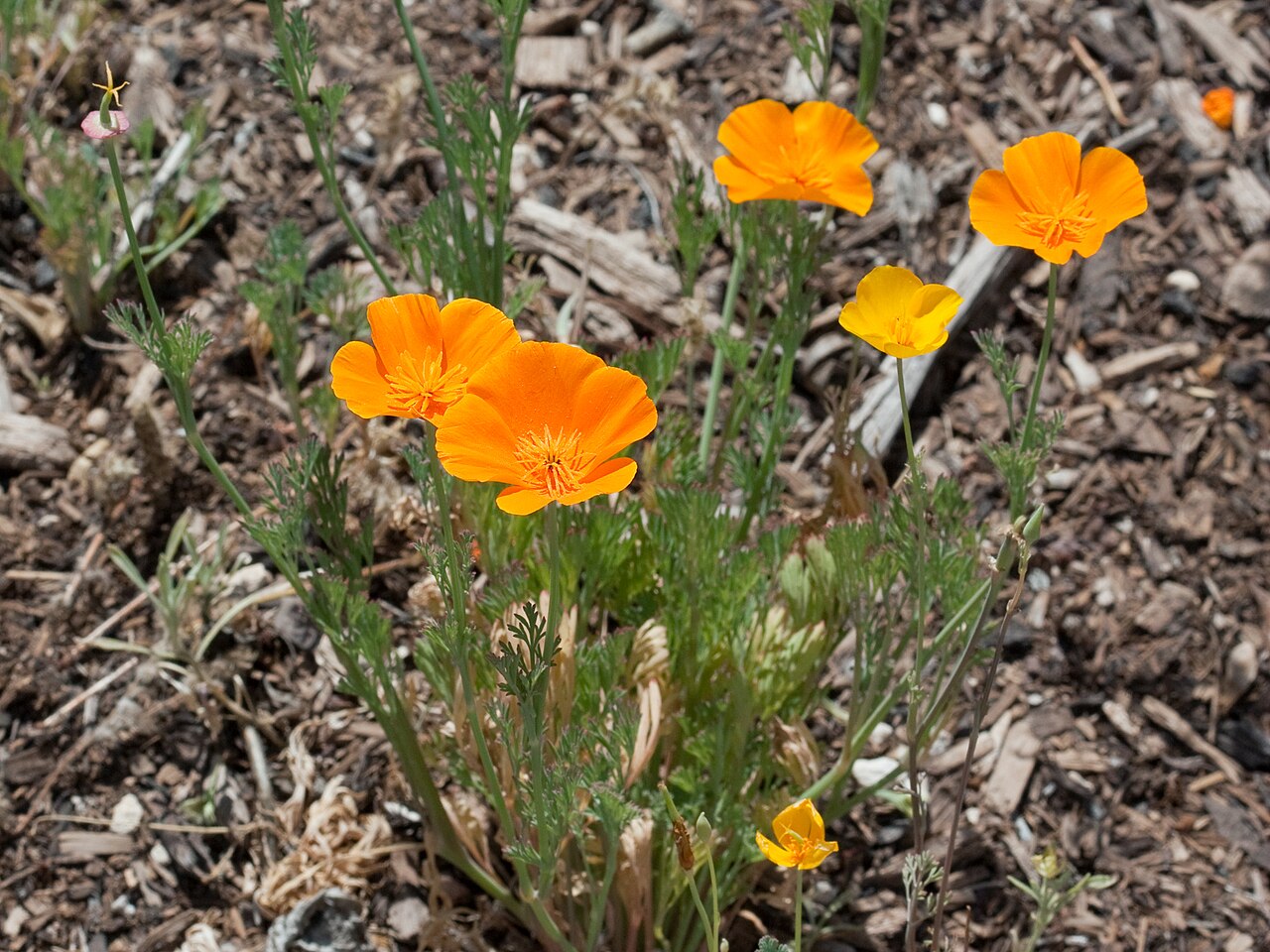
California poppies blanket western slopes with vivid orange blossoms that open wide in full sunshine and curl shut on overcast days or at night. Their silky petals fall quickly after pollination, yielding slender seed pods that split explosively to scatter seeds across gravelly soil. These resilient annuals thrive in disturbed ground, drawing native bees and pollinators throughout spring.
WildflowerNativeDrought-Tolerant
—observations
—countries
—peak records
Least ConcernConservation statusIUCN Red List categoriesLCNTVUENCREWEXLeast ConcernRed List categories, explained →
Diet & preyAutotrophic
Predators
- Grasshoppers
- Pocket gophers
- Mice
ThreatsHabitat destruction, invasive non-native grasses
HabitatsGrasslands, chaparral, coastal bluffs, oak woodlands, roadsides
Life span1–2 years
Classification
- OrderRanunculales
- FamilyPapaveraceae
- GenusEschscholzia
- SpeciesEschscholzia californica
Range data is not available yet.
Interaction riskLow
- Low
- Moderate
- High
- Very high
- Why interaction risk is low
- Safe to observe at a normal distance.
Responsible observation
- Viewing Blooms: Visit on warm, sunny afternoons when flowers are fully expanded.
- Garden Care: Plant in lean, well-draining soil and avoid overwatering to encourage dense flowering.
- Photography: Frame blossoms against sunlight to capture the golden translucence of the petals.
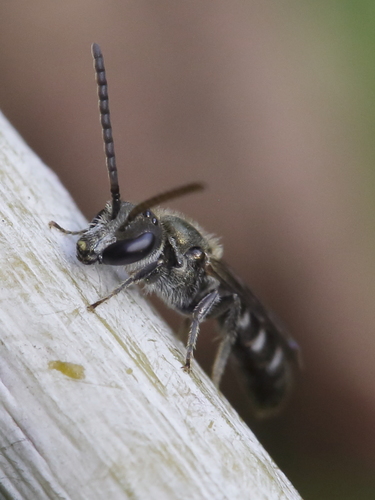
Pollinator (c) Dr. Guido Bohne, some rights reserved (CC BY-SA), uploaded by Dr. Guido Bohne · cc-by-sa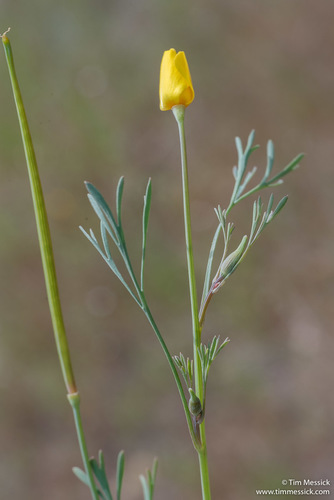
Close Relative (c) Tim Messick, some rights reserved (CC BY), uploaded by Tim Messick · cc-by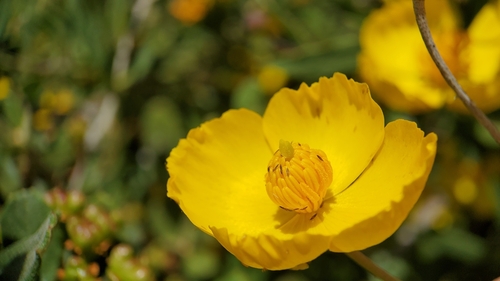
Poppy Family Member no rights reserved · cc0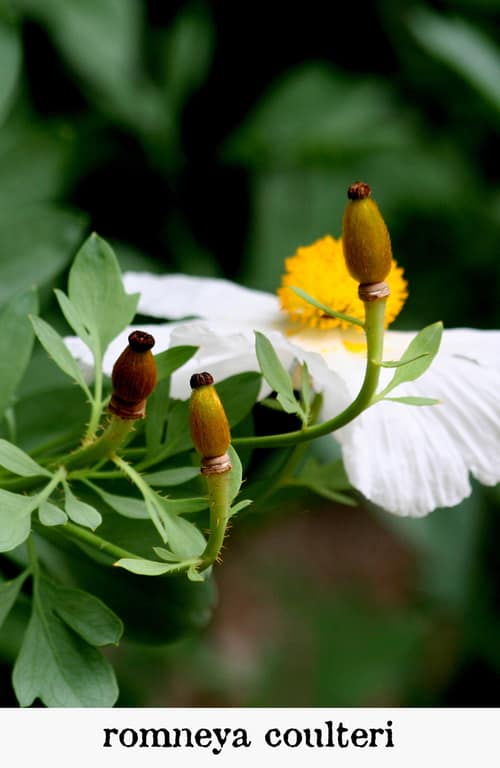
Poppy Family Member (c) manuel m. v., some rights reserved (CC BY) · cc-by
Help improve the field guideSomething wrong?
Checking your Fauna account…Report a name, category, or profile issue for review.