
Plant
Salal
Gaultheria shallonAlso known as Shallon, Pacific Salal
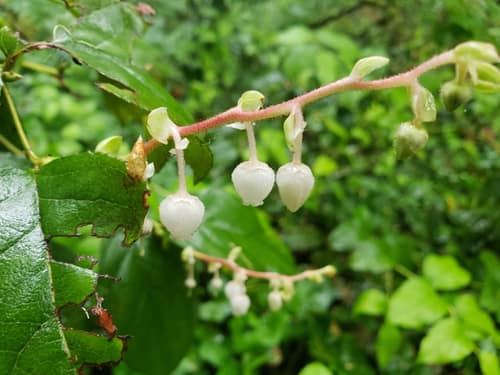
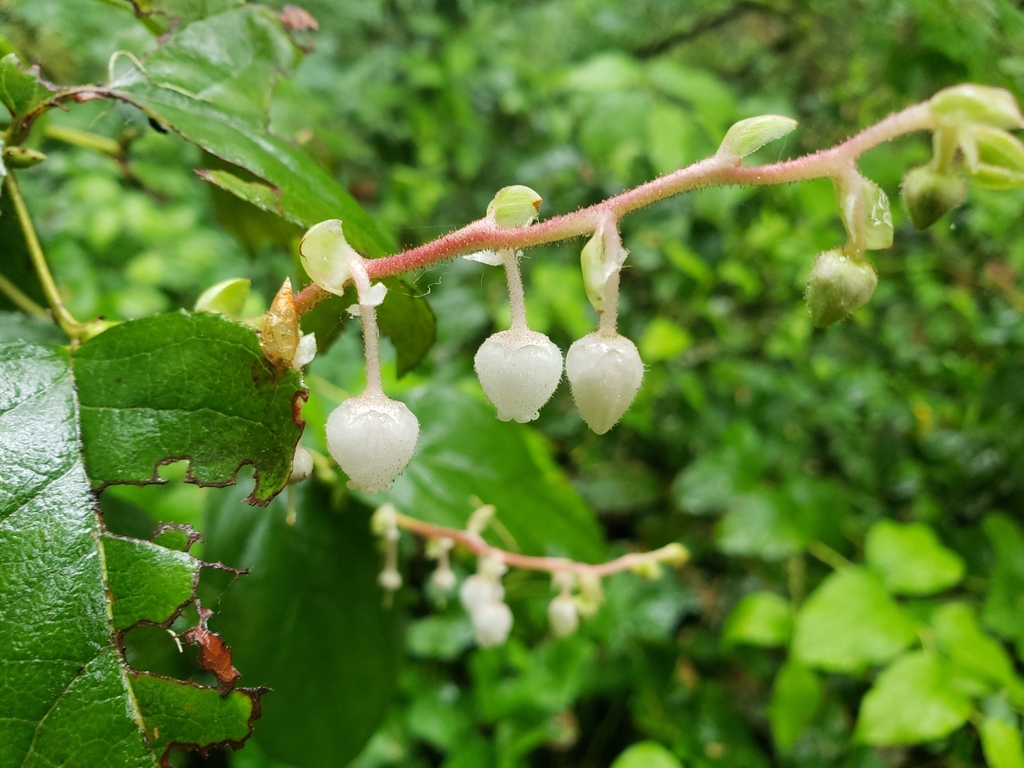
Salal forms dense, glossy evergreen thickets across coastal forests of western North America, flourishing under the shade of giant conifers. Its leathery, egg-shaped leaves feature finely serrated edges, while spring brings clusters of delicate, urn-shaped white to pinkish flowers along reddish stems. In late summer, these blossoms mature into dark purple, hairy berries that provide vital seasonal food for woodland birds and mammals.
EvergreenShrubBerries
—observations
—countries
—peak records
Least ConcernConservation statusIUCN Red List categoriesLCNTVUENCREWEXLeast ConcernRed List categories, explained →
Diet & preyAutotrophic (Photosynthesis)
Predators
- Black Bear
- Roosevelt Elk
- Banana Slug
ThreatsHabitat conversion and intense land development
HabitatsCoastal coniferous forests, temperate rainforests, rocky bluffs
Life spanDecades to centuries (via clonal rhizomes)
Classification
- OrderEricales
- FamilyEricaceae
- GenusGaultheria
- SpeciesGaultheria shallon
Range data is not available yet.
Interaction riskLow
- Low
- Moderate
- High
- Very high
- Why interaction risk is low
- Wild berries have toxic look-alikes; never eat based on app identification alone.
Responsible observation
- Observation: Look for urn-shaped pinkish-white flowers aligned along one side of the stem.
- Habitat Check: Search moist understories of Douglas-fir and western redcedar stands.
- Identification: Feel the stiff, leathery leaf blades with fine serrations along the edge.
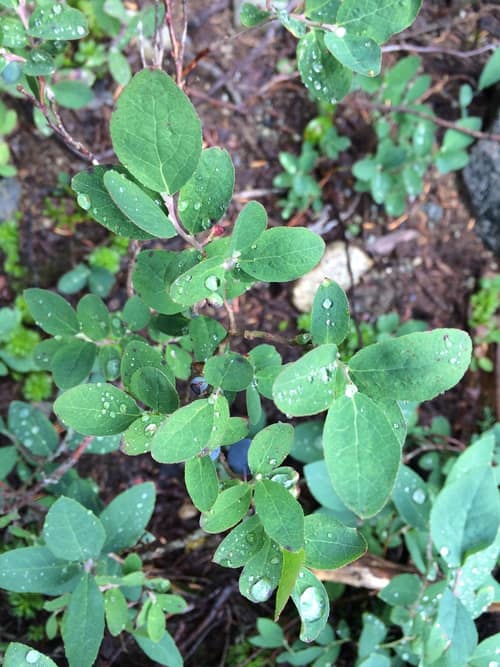
Co-occurring Shrub (c) Maddie Edmonds, some rights reserved (CC BY) · cc-by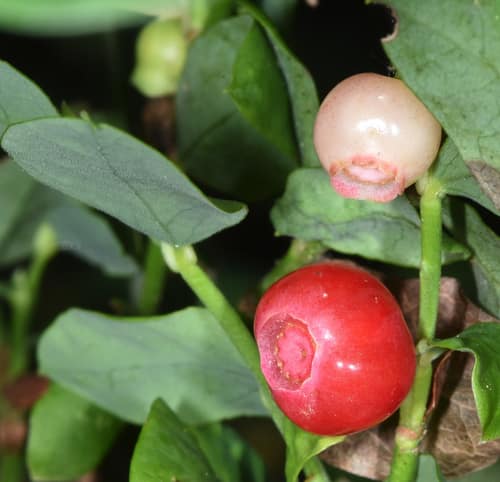
Forest Companion (c) Don Loarie, some rights reserved (CC BY), uploaded by Don Loarie · cc-by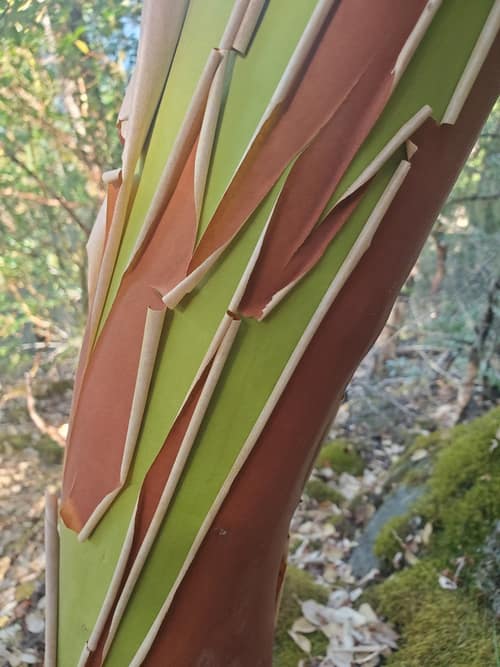
Ericaceous Neighbor (c) J Straka, some rights reserved (CC BY), uploaded by J Straka · cc-by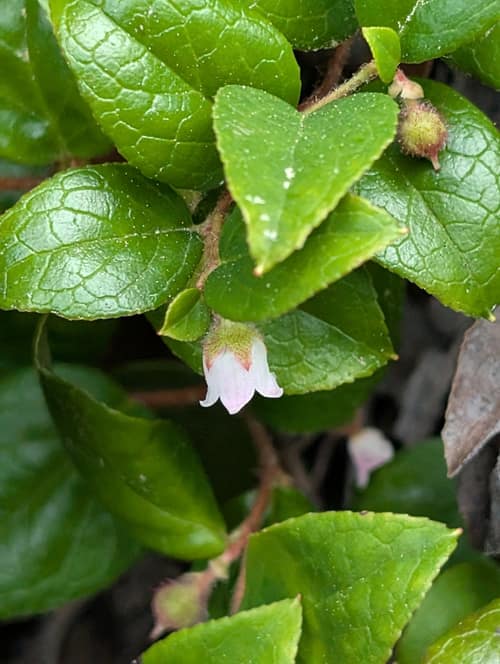
Close Relative (c) John A Haskins, some rights reserved (CC BY), uploaded by John A Haskins · cc-by
Help improve the field guideSomething wrong?
Checking your Fauna account…Report a name, category, or profile issue for review.