
Plant
Panama Hat Palm
Carludovica palmataAlso known as Toquilla Palm, Jipijapa Palm, Panama Hat Plant
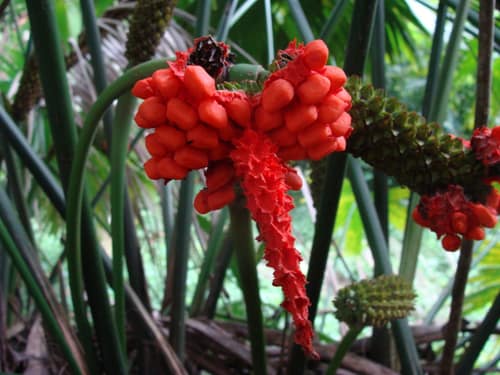
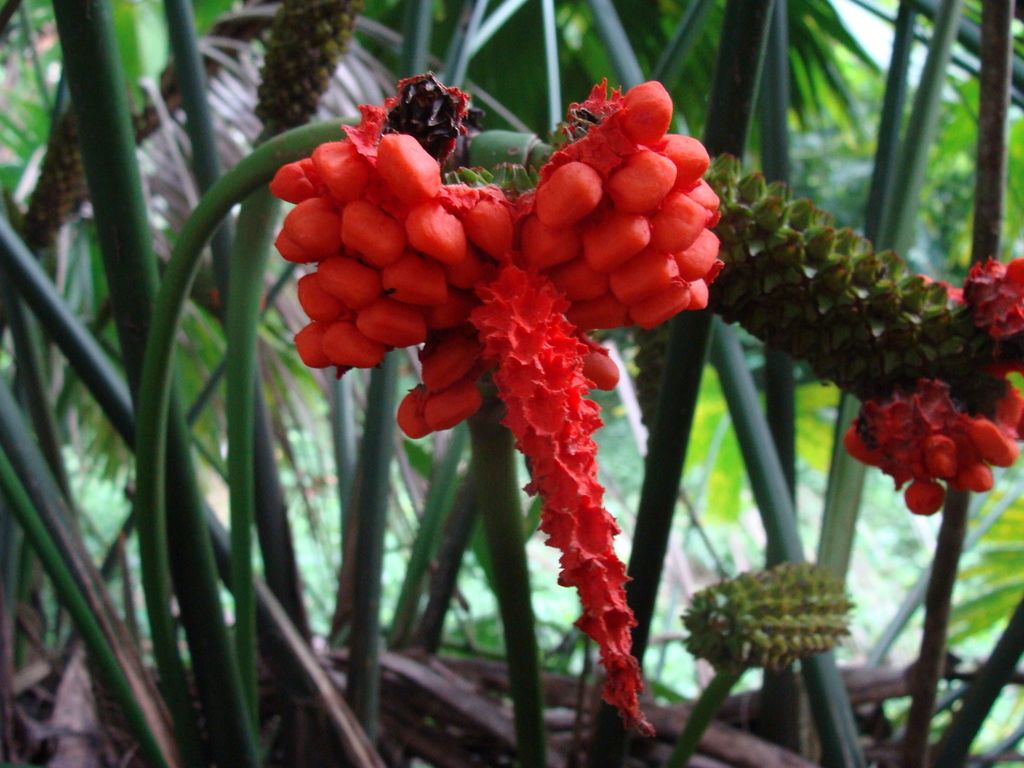
These trunkless, palm-like perennials form dense, vibrant green clumps in the wet understory of Neotropical rainforests. Their massive, fan-shaped leaves rise on long, slender stalks directly from the ground, catching filtered sunlight beneath the forest canopy. The unique, fleshy flower spikes split open when ripe to reveal a bright orange-red interior that attracts a variety of seed-dispersing birds and bats.
TropicalUnderstoryFiber Plant
—observations
—countries
—peak records
Least ConcernConservation statusIUCN Red List categoriesLCNTVUENCREWEXLeast ConcernRed List categories, explained →
Diet & preyWater, Carbon dioxide, Soil nutrients
Predators
- Herbivorous insects
- Fungal pathogens
- Leaf-cutting ants
ThreatsDeforestation, habitat fragmentation, and overharvesting of wild leaves
HabitatsTropical rainforests, wet lowlands, and riverbanks
Life span20 to 30 years
Classification
- FamilyCyclanthaceae
- SpeciesCarludovica palmata
Range data is not available yet.
Interaction riskLow
- Low
- Moderate
- High
- Very high
- Why interaction risk is low
- Wild fruits have toxic look-alikes; never eat based on app identification alone.
Responsible observation
- Leaf inspection: Look closely at the leaf base to see how it splits into four distinct segments, a key identifier.
- Spotting flowers: Search near the base of the plant for the unusual, cylindrical flower spikes that resemble peeled corn cobs when ripe.
- Respecting harvest: Avoid cutting the young, unopened leaves, which are vital for the plant's growth and traditionally used for weaving.
 Image unavailable
Look-alike Close Relative Close Relative Close Relative
Help improve the field guideSomething wrong?
Checking your Fauna account…Report a name, category, or profile issue for review.