
Plant
Wavy-leafed Soap Plant
Chlorogalum pomeridianumAlso known as California Soaproot, Amole, Soap Lily
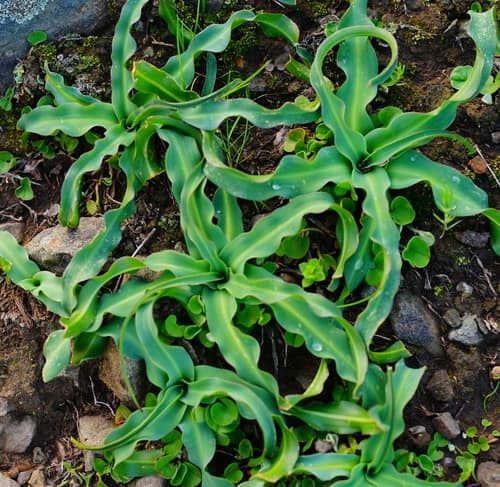
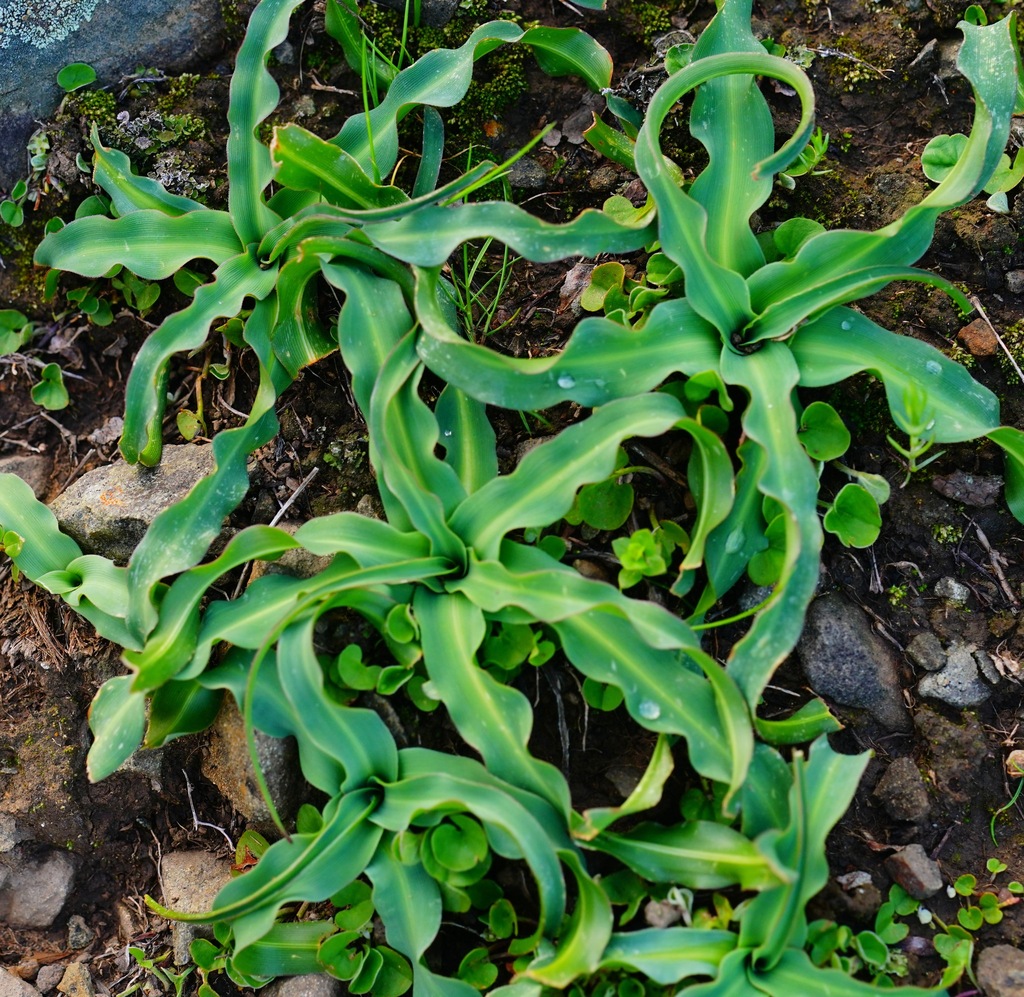
Wavy-leafed soap plant forms a rosette of long, crinkled leaves before sending up a tall, airy stalk of star-like white flowers. The delicate blossoms open only in late afternoon or evening, releasing a subtle perfume to attract night-flying pollinators like moths and solitary bees. Indigenous peoples historically utilized the saponin-rich fibrous bulbs for making brushes, soap, and stunned-fish harvesting.
Night-BloomingNative PlantPerennial
—observations
—countries
—peak records
Least ConcernConservation statusIUCN Red List categoriesLCNTVUENCREWEXLeast ConcernRed List categories, explained →
Diet & preySunlight, Water, Soil nutrients
Predators
- Pocket gophers
- Mule deer
ThreatsHabitat loss, invasive weed competition, overgrazing
HabitatsChaparral, oak woodlands, dry grasslands, coastal sage scrub
Life spanPerennial (several decades)
Classification
- FamilyAsparagaceae
- SpeciesChlorogalum pomeridianum
Range data is not available yet.
Interaction riskHigh
- Low
- Moderate
- High
- Very high
- Why interaction risk is high
- Contains saponins that are toxic if ingested raw; observe safely without harvesting or consuming.
- Why it is dangerous
- Raw bulbs contain concentrated saponins that break down blood cells and cause severe gastrointestinal distress if consumed.
- How to recognize a risky encounter
- Look for long, coarse, wavy-margined basal leaves and large fibrous-coated bulbs buried in dry soil.
- What to do
- Observe plants in place without digging up bulbs or attempting home preparation.
Responsible observation
- Evening Observation: Visit patches in late afternoon or early evening when delicate white blossoms open.
- Basal Foliage: Identify plants early in the season by long, distinctly wavy-edged leaves lying close to the ground.
- Native Habitat: Look along dry hillsides, oak woodlands, and chaparral clearings across California.
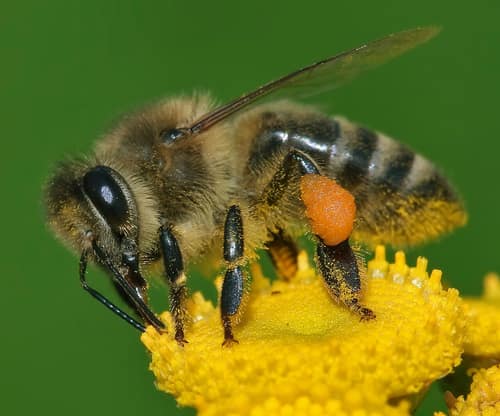
Pollinator Andreas Trepte / CC BY-SA 2.5 · cc-by-sa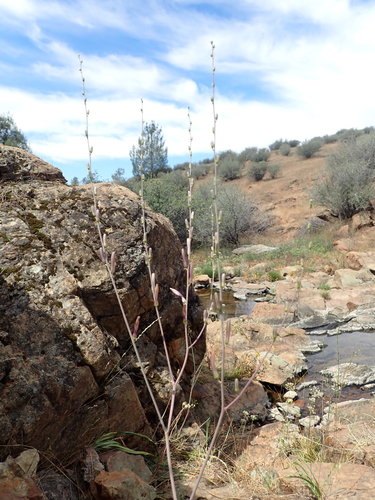
Close Relative no rights reserved · cc0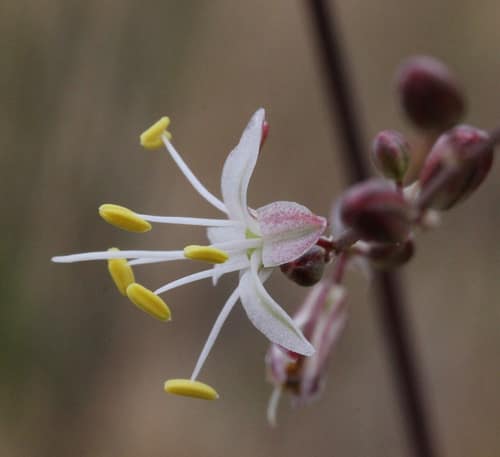
Close Relative (c) Millie Basden, some rights reserved (CC BY) / CC BY 4.0 · cc-by
Help improve the field guideSomething wrong?
Checking your Fauna account…Report a name, category, or profile issue for review.