
Plant
Queen Victoria Agave
Agave victoriae-reginaeAlso known as Royal Agave, Queen Agave
Queen Victoria agave forms a dense, perfectly spherical rosette of thick, dark green leaves traced with bright white geometric margins. Native to the arid Chihuahuan Desert of northern Mexico, it grows exceptionally slowly over fifteen to thirty years before sending up a towering flower spike that signals the end of its life cycle. Its dramatic sculptured form and extreme drought tolerance make it a highly prized specimen in desert rock gardens and botanical collections worldwide.
SucculentDesertSlow-Growing
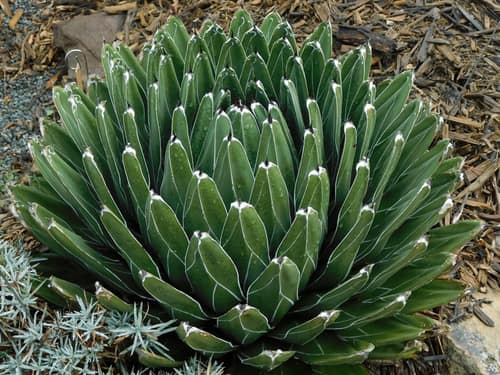
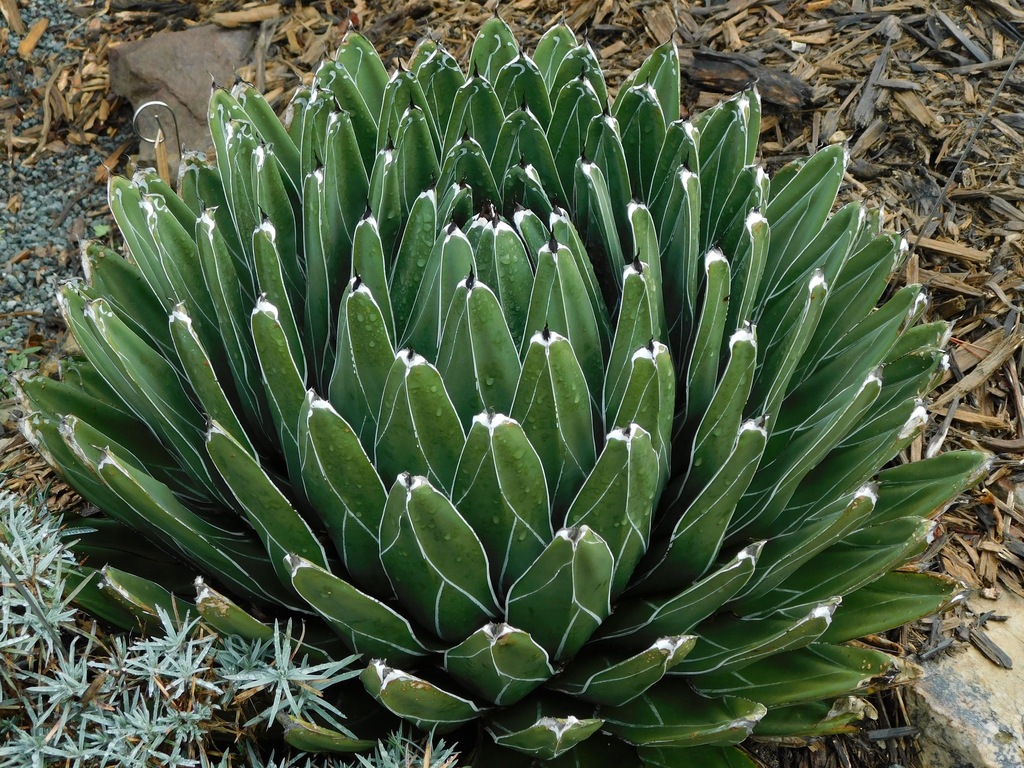
—observations
—countries
—peak records
Least ConcernConservation statusIUCN Red List categoriesLCNTVUENCREWEXLeast ConcernRed List categories, explained →
Diet & preyPhotosynthetic
Predators
- Agave Snout Weevil
- Desert Rodents
ThreatsIllegal collection from the wild, habitat degradation
HabitatsLimestone cliffs, canyon walls, desert scrub
Life span15–30 years
Classification
- FamilyAsparagaceae
- SpeciesAgave victoriae-reginae
Range data is not available yet.
Interaction riskHigh
- Low
- Moderate
- High
- Very high
- Why interaction risk is high
- Leaf sap can cause mild skin irritation and leaf tips carry sharp spines; wear gloves when handling.
- What to notice
- Recognizable by dark green, wedge-shaped leaves with distinct white margins and a sharp terminal spine.
- Support conservation
- Enjoy wild plants strictly from established trails and source cultivated specimens from reputable growers.
Responsible observation
- Placement: Position in bright, full sunlight to maintain a tight rosette shape and vivid white markings.
- Watering: Allow the surrounding soil to dry completely between deep soakings to prevent root rot.
- Handling: Take care around the sharp black spine at the tip of each rigid leaf.
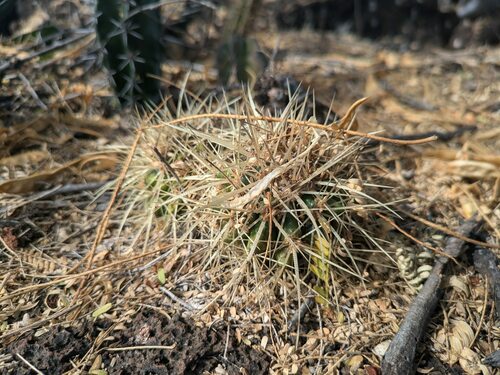
Desert Companion (c) Kevin Faccenda, some rights reserved (CC BY) · cc-by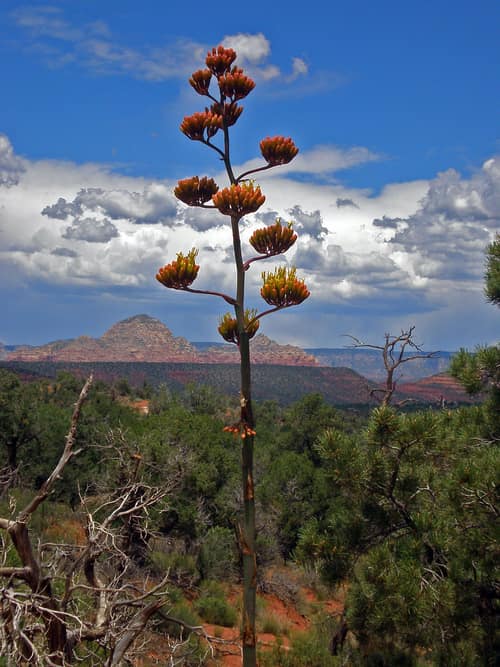
Close Relative "Closeup of Century Plant (Agave)" by Coconino NF Photography is licensed under CC BY-SA 2.0. To view a copy of this license, visit https://creativecommons.org/licenses/by-sa/2.0/. · cc-by-sa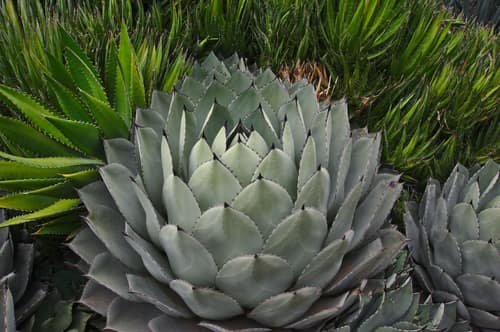
Close Relative (c) Andrew Toskin, some rights reserved (CC BY-SA) · cc-by-sa
Help improve the field guideSomething wrong?
Checking your Fauna account…Report a name, category, or profile issue for review.