
Flower
Fire Lily
Lilium bulbiferumAlso known as Orange Lily, St. John's Lily, Jimmy's Bane
Brightening subalpine slopes across southern and central Europe, this mountain perennial opens vivid, upward-facing orange blooms heavily dusted with dark crimson papillose spots. In addition to spreading by underground scaled bulbs, the species frequently produces pea-sized aerial bulbils in its upper leaf axils that drop to the soil and clone the parent plant. Large diurnal insects like swallowtail butterflies and clearwing hawkmoths act as the primary pollinators, drawn to the radiant petals even though the flowers produce minimal fragrance.
Mountain WildflowerFloweringBulbous Perennial
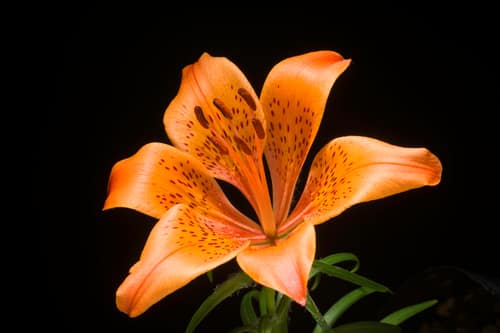
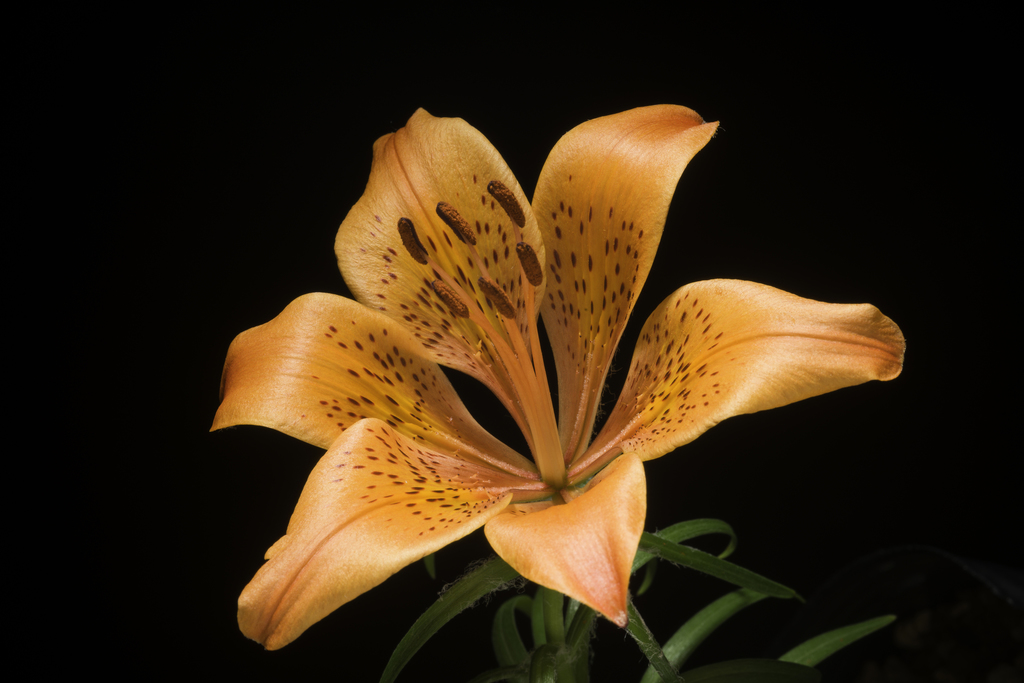
—observations
—countries
—peak records
Least ConcernConservation statusIUCN Red List categoriesLCNTVUENCREWEXLeast ConcernRed List categories, explained →
Diet & preyAutotrophic (photosynthesis)
Predators
- Scarlet Lily Beetle
- Roe Deer
- European Water Vole
ThreatsOvergrazing, agricultural intensification, habitat succession, wildflower picking
HabitatsSubalpine meadows, mountain grasslands, rocky slopes, open woodland margins
Life spanPerennial (decades via clonal bulb division)
Classification
- OrderLiliales
- FamilyLiliaceae
- GenusLilium
- SpeciesLilium bulbiferum
Range data is not available yet.
Interaction riskHigh
- Low
- Moderate
- High
- Very high
- Why interaction risk is high
- Highly toxic to domestic cats if ingested; leave flowers in their natural mountain habitat.
- Why it is dangerous
- All true lilies in the genus Lilium contain an unidentified water-soluble toxin that induces acute, life-threatening kidney failure in cats.
- How to recognize a risky encounter
- Recognized by unbranched leafy stems, large upright fiery-orange flowers, and tiny dark bead-like bulbils in the leaf axils.
- What to do
- Do not harvest cut stems, and ensure pets do not brush against pollen or chew leaves.
Responsible observation
- Photographing: Capture blooming specimens from late spring to mid-summer when the bold orange tepals fully expand.
- Pet Safety: Never bring wild-collected stems or foliage into homes with cats, as true lilies cause fatal feline kidney failure.
- Field Etiquette: Admire wild plants in place without picking blooms or dislodging bulbils, which slows meadow regeneration.
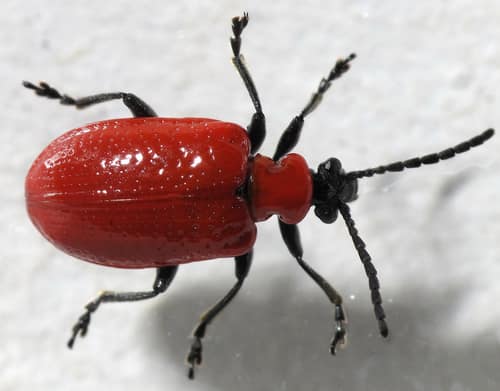
Specialist Herbivore (c) IES MANUEL GARCÃA BARROS A ESTRADA- PONTEVEDRA, some rights reserved (CC BY-SA) · cc-by-sa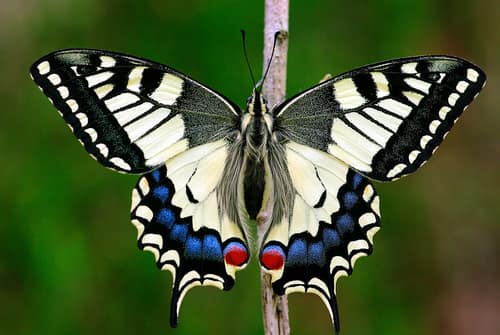
Pollinator Entomolo / CC BY-SA 4.0 · cc-by-sa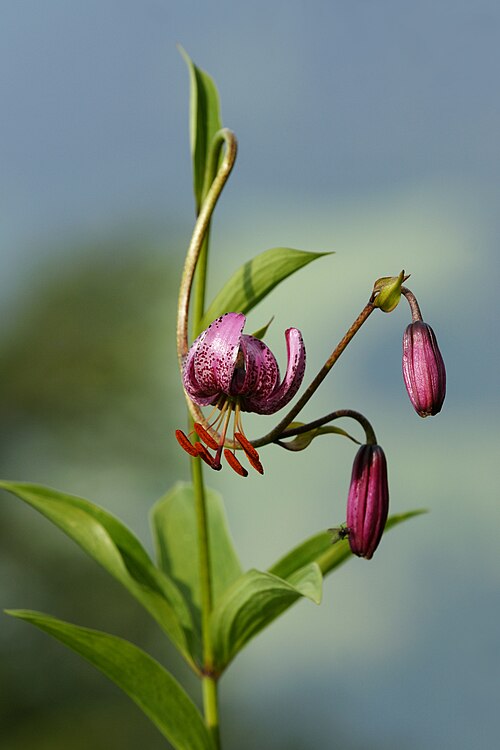
Close Relative böhringer friedrich / CC BY-SA 2.5 · cc-by-sa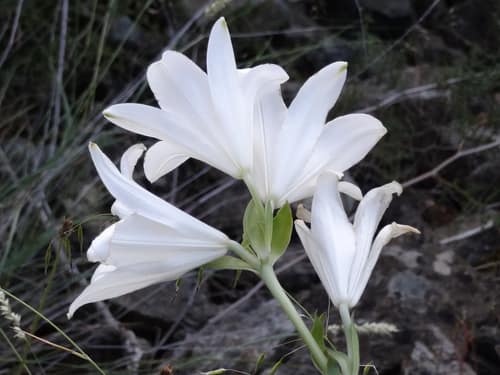
Close Relative (c) Kostas Zontanos, some rights reserved (CC BY), uploaded by Kostas Zontanos · cc-by
Help improve the field guideSomething wrong?
Checking your Fauna account…Report a name, category, or profile issue for review.