
Plant
Saw Palmetto
Serenoa repensAlso known as Scrub Palmetto, Silver Saw Palmetto
Saw palmetto forms vast, dense thickets across flatwoods and coastal dunes throughout the southeastern United States. Its broad fan-shaped fronds emerge from sprawling underground stems, anchored by sharp, saw-toothed leaf stalks that protect the plant from heavy browsing. Black, berry-like drupes ripen in autumn, serving as a vital food resource for black bears, white-tailed deer, and dozens of migratory bird species.
EvergreenCoastalDrought-Tolerant
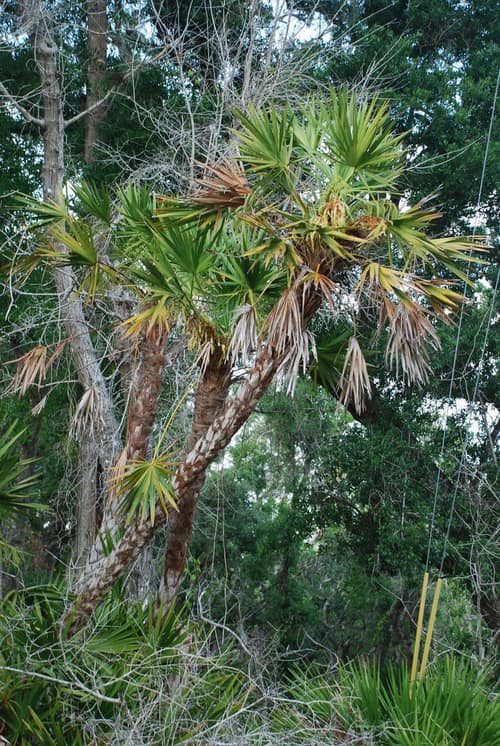
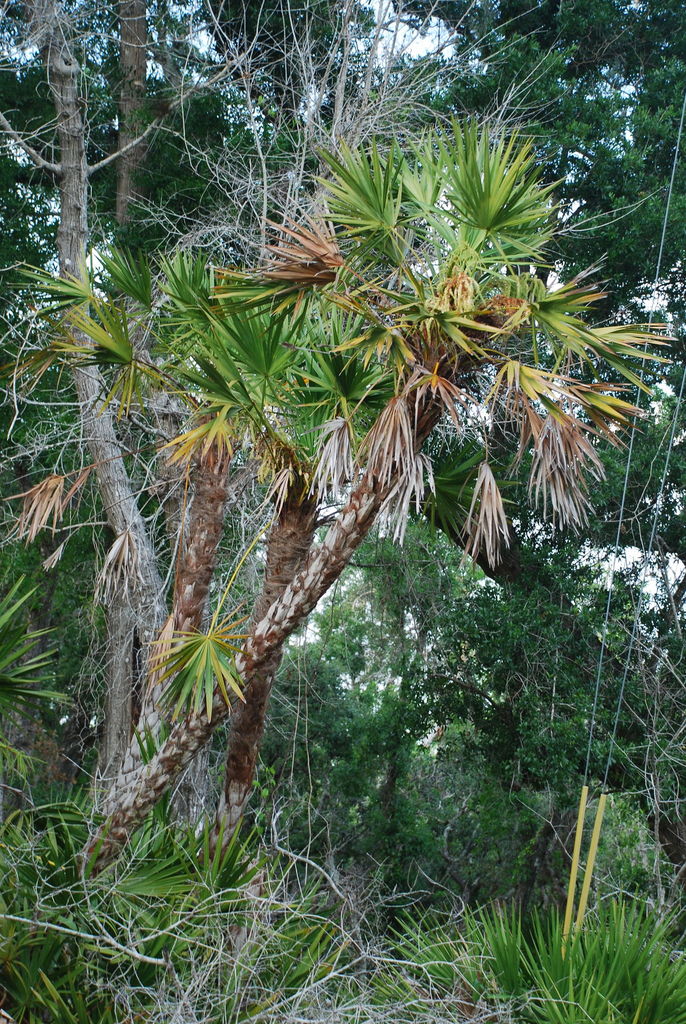
—observations
—countries
—peak records
Least ConcernConservation statusIUCN Red List categoriesLCNTVUENCREWEXLeast ConcernRed List categories, explained →
Diet & preySunlight, Water, Soil Minerals
Predators
- American Black Bear
- White-Tailed Deer
- Feral Swine
ThreatsHabitat loss, land conversion, poaching of wild berries
HabitatsPine flatwoods, coastal scrub, sandhills, oak hammocks
Life span500–1,000+ years
Classification
- OrderArecales
- FamilyArecaceae
- GenusSerenoa
- SpeciesSerenoa repens
Range data is not available yet.
Interaction riskLow
- Low
- Moderate
- High
- Very high
- Why interaction risk is low
- Wild berries have toxic look-alikes; never eat based on app identification alone.
Responsible observation
- Clothing Choice: Wear thick long pants and sturdy boots when navigating thickets to avoid sharp stalk spines.
- Wildlife Watching: Position near fruiting patches in autumn to quietly observe foraging mammals and birds.
- Landscape Use: Plant in sunny, well-drained sandy soil for an extremely hardy native barrier.
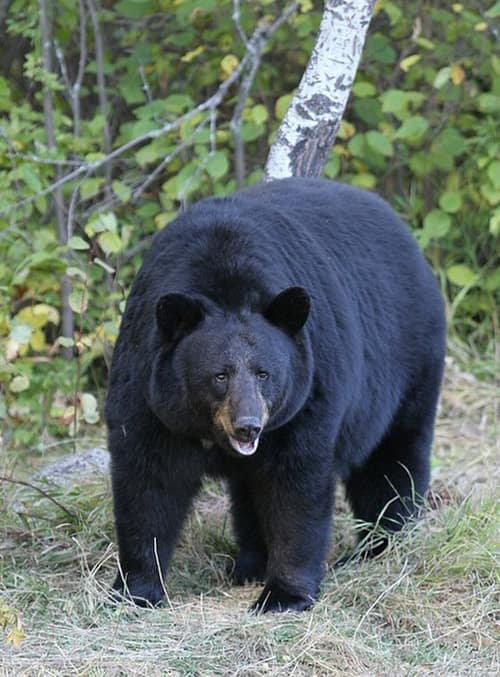
Fruit Consumer Diginatur / CC BY-SA 3.0 · cc-by-sa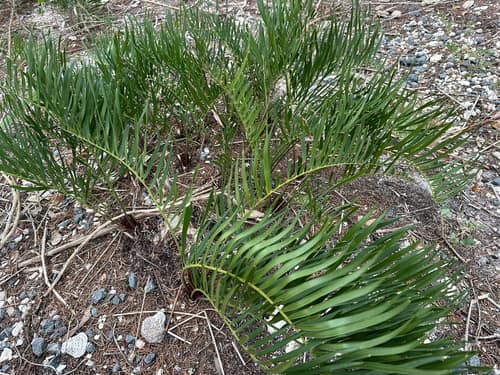
Frequent Companion (c) Ashwin Srinivasan, some rights reserved (CC BY), uploaded by Ashwin Srinivasan · cc-by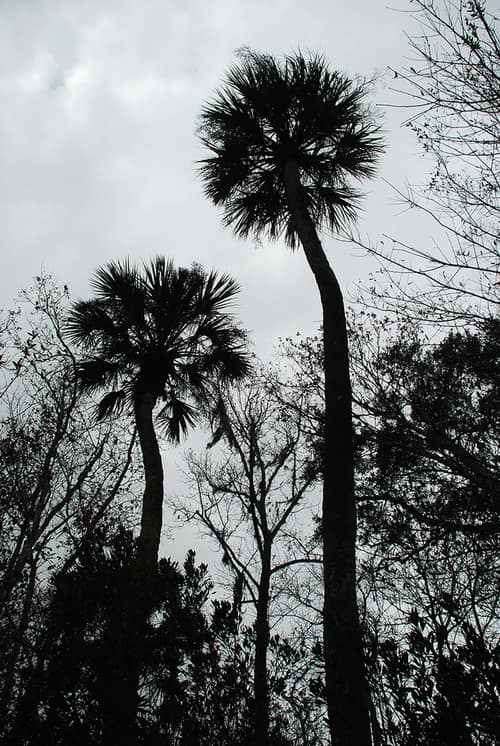
Close Relative (c) Douglas Goldman, some rights reserved (CC BY-SA), uploaded by Douglas Goldman · cc-by-sa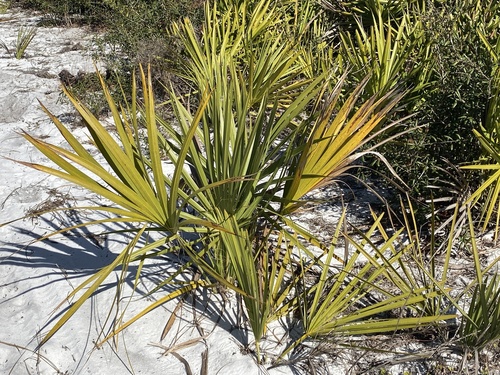
Close Relative (c) Judy Gallagher, some rights reserved (CC BY-SA), uploaded by Judy Gallagher · cc-by-sa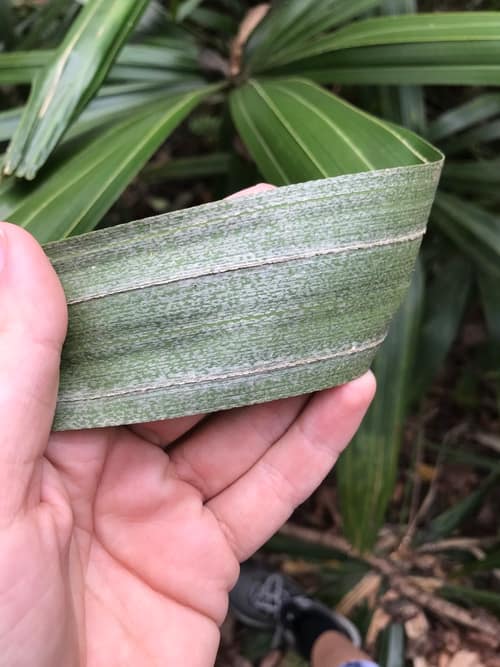
Close Relative (c) Farren Dell Rossman, some rights reserved (CC BY), uploaded by Farren Dell Rossman · cc-by
Help improve the field guideSomething wrong?
Checking your Fauna account…Report a name, category, or profile issue for review.