
Plant
Stag's-horn Clubmoss
Lycopodium clavatumAlso known as Common Clubmoss, Running Pine, Ground Pine, Wolf's-claw Clubmoss
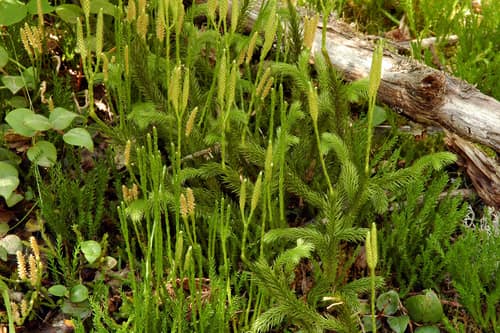
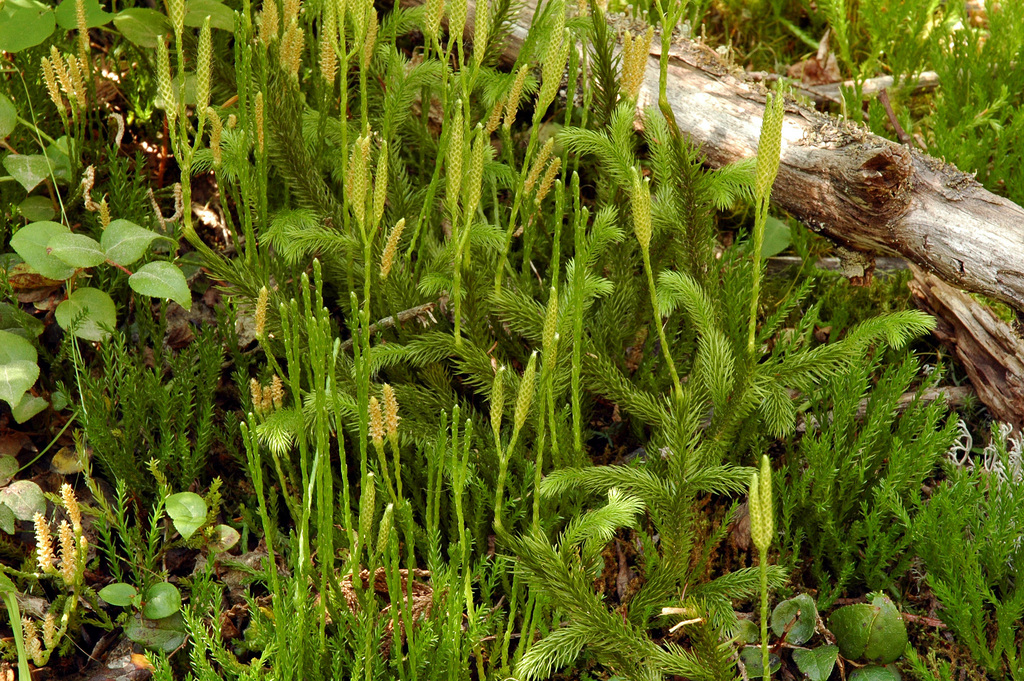
Stag's-horn Clubmoss carpets forest floors with creeping, bright green stems that resemble miniature pine garlands. This ancient vascular plant reproduces via microscopic spores released from upright, yellow-green cones that fork like deer antlers. Though moss-like in appearance, its lineage dates back over 400 million years to a time when its relatives grew as massive trees.
Spore-bearingEvergreenAncient Lineage
—observations
—countries
—peak records
Least ConcernConservation statusIUCN Red List categoriesLCNTVUENCREWEXLeast ConcernRed List categories, explained →
Diet & preyPhotosynthetic (autotrophic)
Predators
- Slugs
- Snails
- Herbivorous insects
ThreatsHabitat loss, over-harvesting for decorative use, and trampling
HabitatsAcidic soils, heathlands, coniferous forests, moorlands, and mountain slopes
Life spanPerennial (individual clones can live for decades)
Classification
- FamilyLycopodiaceae
- SpeciesLycopodium clavatum
Range data is not available yet.
Interaction riskHigh
- Low
- Moderate
- High
- Very high
- Why interaction risk is high
- Contains toxic alkaloids; do not ingest any part of the plant.
- Why it is dangerous
- Contains paralytic alkaloids, including lycopodine, which can cause vomiting, motor coordination loss, and respiratory issues if ingested.
- How to recognize a risky encounter
- Look for creeping, bright green, moss-like stems with small, scale-like leaves ending in a fine white hair.
- What to do
- Wash hands after handling the plant, and ensure pets do not chew on the creeping runners.
Responsible observation
- Spore observation: Look for the yellow, horn-like strobili in late summer to see the powdery spores.
- Tread lightly: Avoid stepping on the creeping horizontal stems, which break easily and grow very slowly.
- Appreciate the history: Remember that these plants are living fossils, closely related to giant tree-like ancestors.
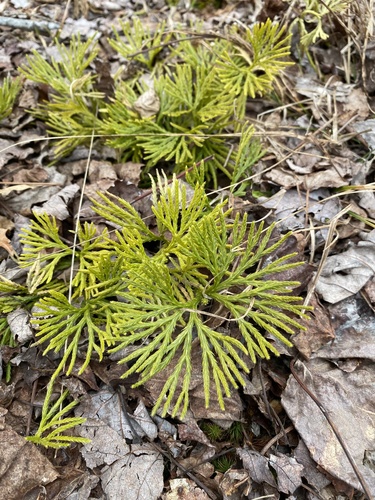
Close Relative (c) Bonnie Semmling, some rights reserved (CC BY) · cc-by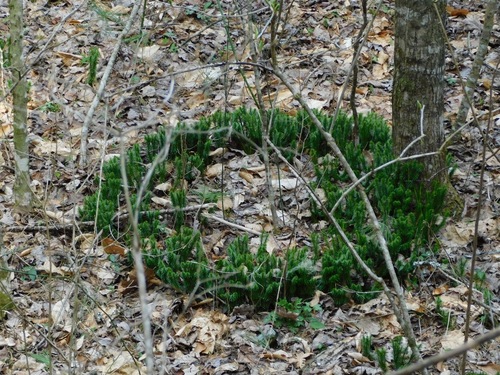
Close Relative (c) Michael J. Papay, some rights reserved (CC BY) · cc-by Image unavailable
Close Relative
Help improve the field guideSomething wrong?
Checking your Fauna account…Report a name, category, or profile issue for review.