
Plant
Horsetail Fern
Equisetum ramosissimumAlso known as Branched Horsetail, Evergreen Horsetail
Branched horsetails are ancient, evergreen vascular plants characterized by highly branched, hollow, jointed stems that feel rough to the touch due to silica deposits. They reproduce via spores produced in cone-like structures called strobili at the tips of their fertile stems rather than producing flowers or seeds. These resilient plants thrive in damp, sandy soils along riverbanks, wetlands, and disturbed roadsides across temperate and tropical regions.
EvergreenSpore-bearingAncient-Lineage
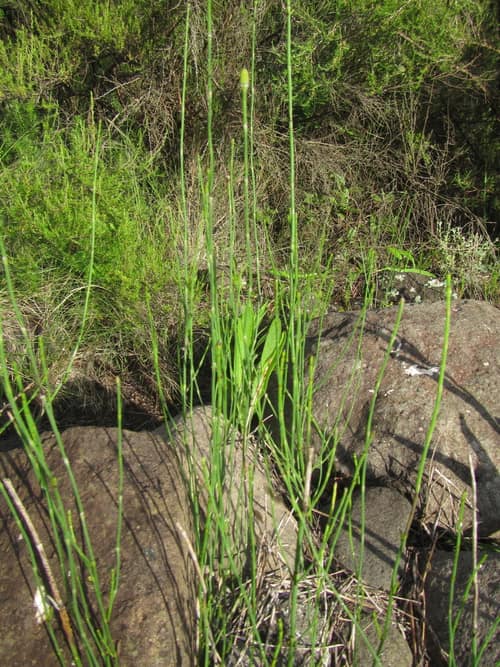
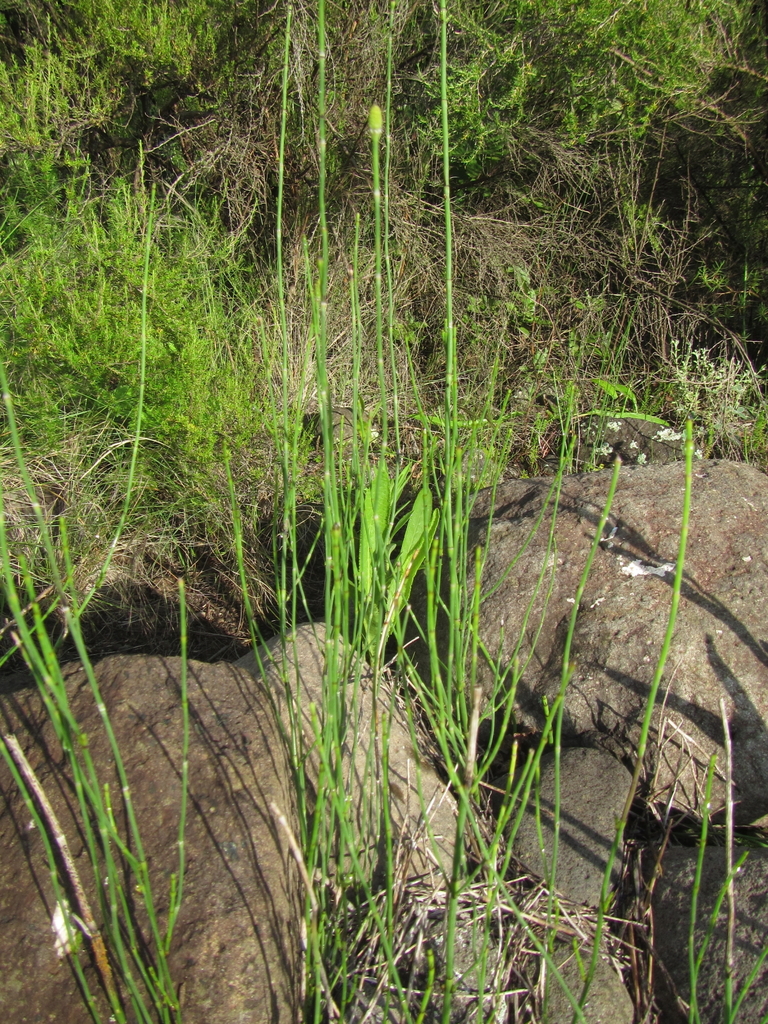
—observations
—countries
—peak records
Least ConcernConservation statusIUCN Red List categoriesLCNTVUENCREWEXLeast ConcernRed List categories, explained →
Diet & preyAutotrophic (Photosynthetic)
Predators
- Sawflies
- Weevils
- Grazing mammals
ThreatsHabitat destruction, wetland drainage, and invasive species competition
HabitatsRiverbanks, wetlands, sandy shores, damp meadows, and disturbed roadsides
Life spanPerennial (rhizomes can live for decades)
Classification
- FamilyEquisetaceae
- SpeciesEquisetum ramosissimum
Range data is not available yet.
Interaction riskHigh
- Low
- Moderate
- High
- Very high
- Why interaction risk is high
- Contains silica and thiaminase which are toxic to livestock; do not ingest any part of the plant.
Responsible observation
- Feel the texture: Gently run your fingers along the stem to feel the rough, glass-like silica ridges.
- Observe the joints: Pull apart a dead stem segment to see how the hollow nodes fit together like puzzle pieces.
- Look for strobili: Search the stem tips in spring and summer for the cone-like spore-bearing structures.
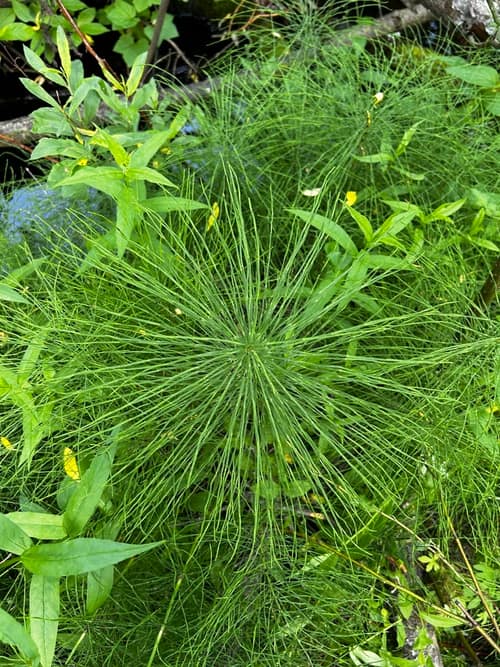
Close Relative (c) Sean Vanderluit, some rights reserved (CC BY), uploaded by Sean Vanderluit · cc-by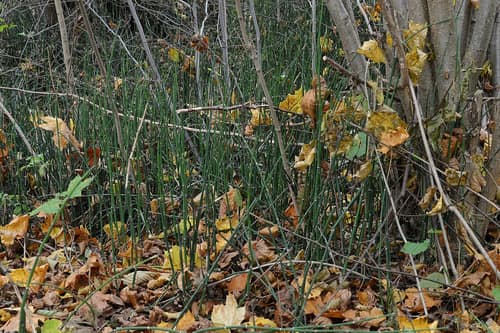
Close Relative Ryan Hodnett / CC BY-SA 4.0 · cc-by-sa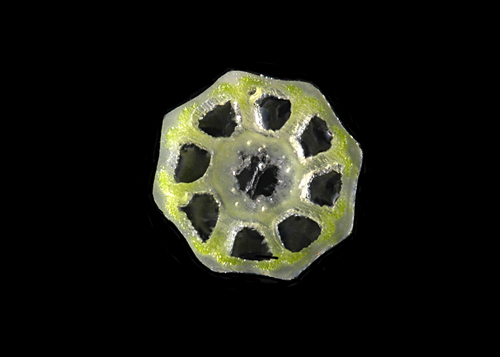
Close Relative (c) Timothy McNitt, some rights reserved (CC BY), uploaded by Timothy McNitt · cc-by
Help improve the field guideSomething wrong?
Checking your Fauna account…Report a name, category, or profile issue for review.