
Plant
Western Hemlock
Tsuga heterophyllaAlso known as Western Hemlock-Spruce, Pacific Hemlock
Dominating the lush canopy of the Pacific Northwest, western hemlock flourishes in cool, damp coastal temperate rainforests. Young saplings frequently sprout atop decaying nurse logs, using the elevated rotting wood to establish roots above the dense forest floor. Delicate feathery needles feature two white lines of stomata underneath, giving the dense foliage a silvery sheen.
EvergreenConiferOld-Growth
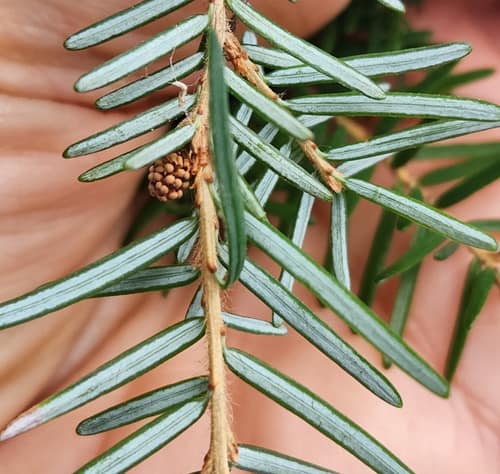
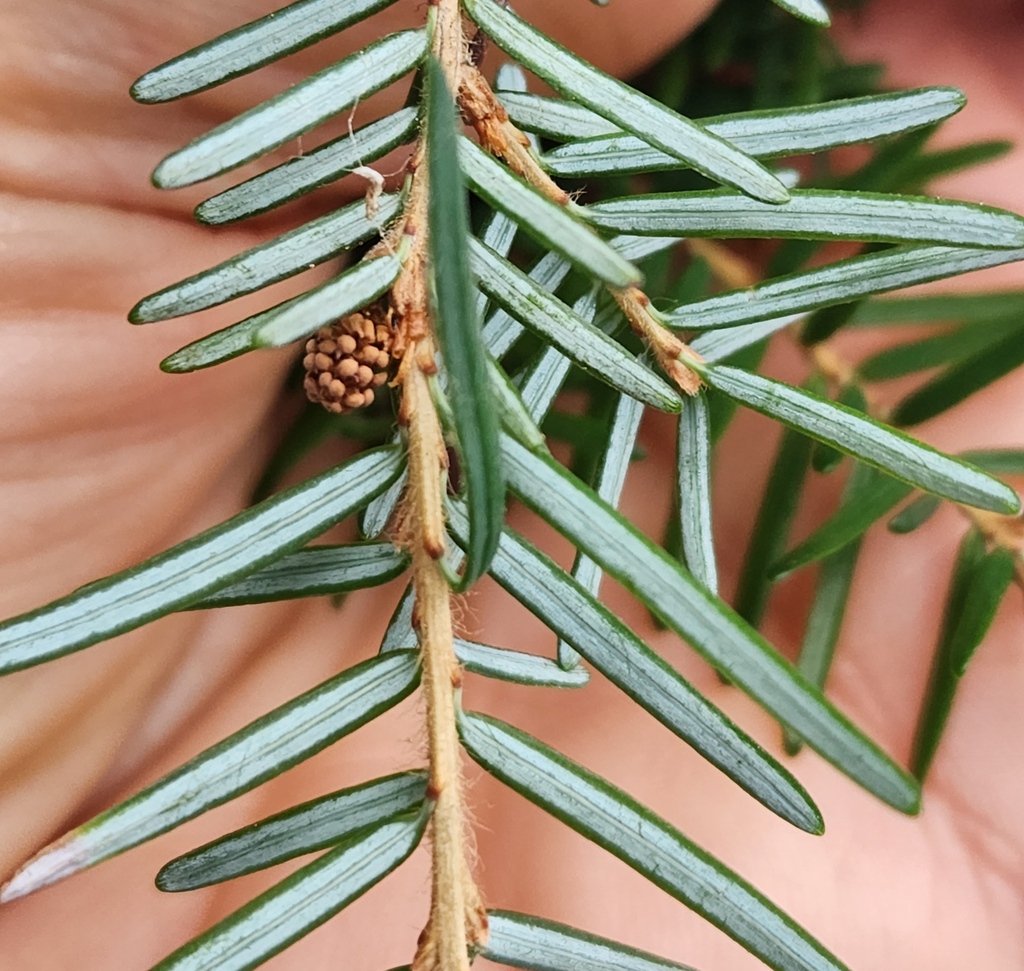
—observations
—countries
—peak records
Least ConcernConservation statusIUCN Red List categoriesLCNTVUENCREWEXLeast ConcernRed List categories, explained →
Diet & preyAutotrophic (Photosynthesis)
ThreatsDeforestation, Hemlock Woolly Adelgid, Wildfire
HabitatsTemperate Rainforests, Coastal Conifer Forests
Life span400–1200 years
Classification
- OrderPinales
- FamilyPinaceae
- GenusTsuga
- SpeciesTsuga heterophylla
Range data is not available yet.
Interaction riskLow
- Low
- Moderate
- High
- Very high
- Why interaction risk is low
- Safe to observe at a normal distance.
Responsible observation
- Bark and Foliage: Look for small, egg-shaped cones hanging at branch tips and distinct drooping lead shoots.
- Habitat Spotting: Search rotting nurse logs on the forest floor to find lines of young seedlings growing in a row.
- Distinction: Remember that coniferous hemlock trees are entirely unrelated to toxic poison hemlock plants.
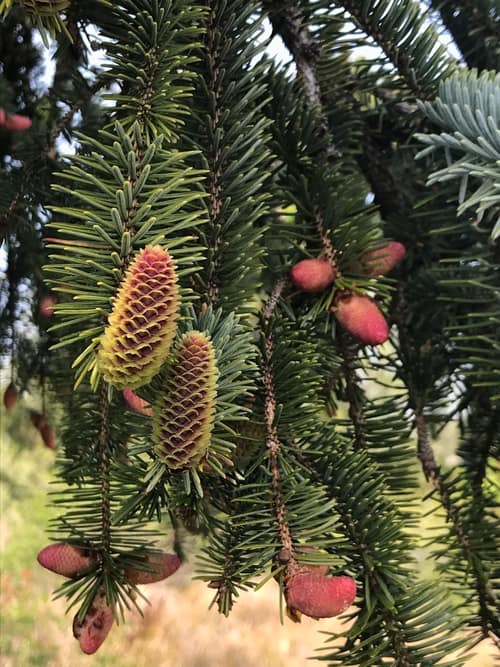
Frequent Companion (c) Aaron Liston, some rights reserved (CC BY), uploaded by Aaron Liston · cc-by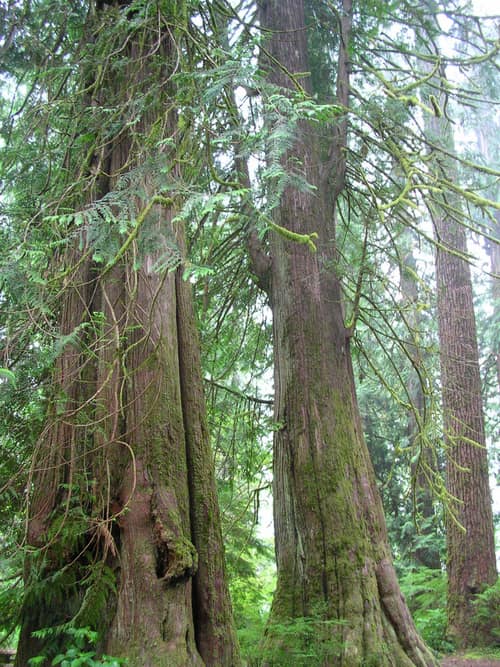
Frequent Companion (c) J Brew, some rights reserved (CC BY-SA), uploaded by J Brew · cc-by-sa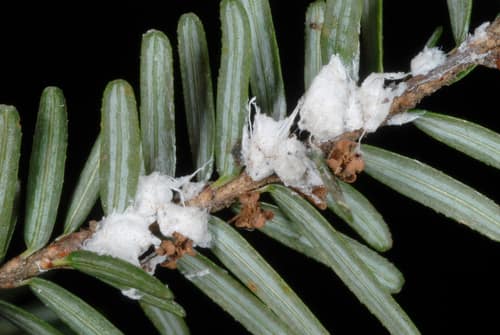
Parasite (c) Douglas Goldman, some rights reserved (CC BY-SA), uploaded by Douglas Goldman · cc-by-sa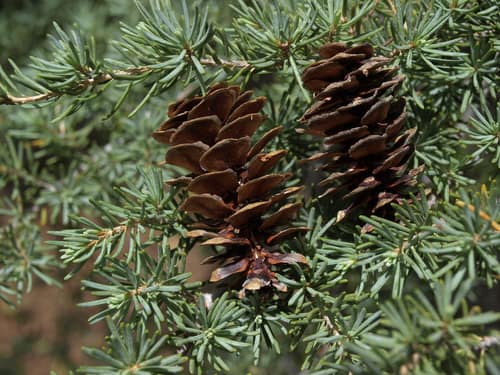
Close Relative (c) Jim Morefield, some rights reserved (CC BY-SA) · cc-by-sa
Help improve the field guideSomething wrong?
Checking your Fauna account…Report a name, category, or profile issue for review.