
Plant
Western Red Cedar
Thuja plicataAlso known as Western Redcedar, Pacific Red Cedar, Giant Arborvitae, Shinglewood
Western red cedars dominate the temperate rainforests of the Pacific Northwest, forming towering trunks topped with drooping sprays of glossy foliage. Indigenous peoples revered this long lived giant as the Tree of Life, crafting canoes, totem poles, and woven textiles from its durable wood and fibrous bark. Their deep root systems stabilize moist riverbanks while dense canopies provide critical shelter for forest wildlife.
EvergreenConiferForest Giant
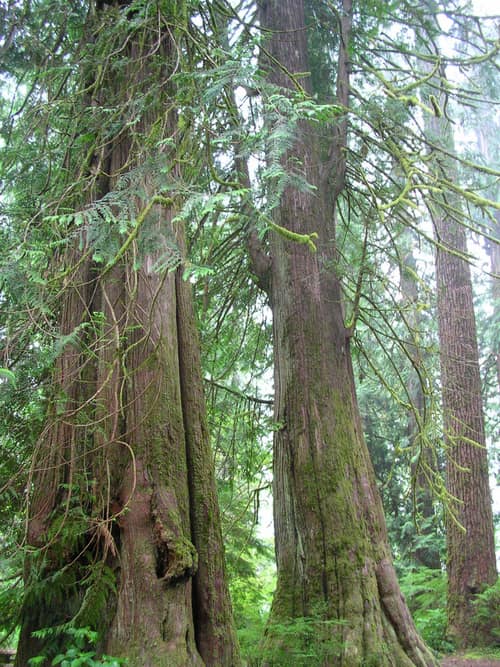
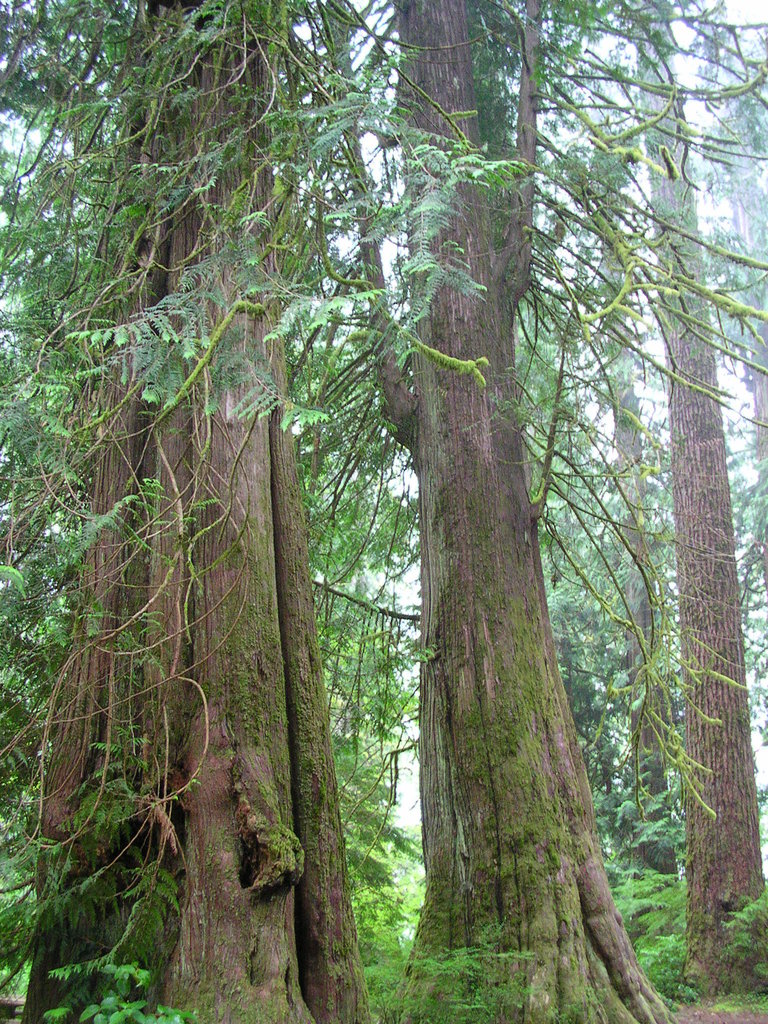
—observations
—countries
—peak records
Least ConcernConservation statusIUCN Red List categoriesLCNTVUENCREWEXLeast ConcernRed List categories, explained →
Diet & preyAutotrophic
Predators
- Black-tailed Deer
- Roosevelt Elk
- Cedar Tree Borer
ThreatsLogging of old growth stands, severe drought, forest fires
HabitatsTemperate rainforests, river valleys, mountain streamsides
Life span500–1,500+ years
Classification
- OrderPinales
- FamilyCupressaceae
- GenusThuja
- SpeciesThuja plicata
Range data is not available yet.
Interaction riskLow
- Low
- Moderate
- High
- Very high
- Why interaction risk is low
- Safe to observe at a normal distance.
Responsible observation
- Foliage Identification: Look for scale-like leaves arranged in flattened sprays with glossy green tops and faint white markings underneath.
- Bark Observation: Look for fibrous, stringy bark that pulls away in long vertical strips along the trunk.
- Aroma Tip: Gently press the scale-like foliage to release a sweet, resinous, pineapple-like scent.
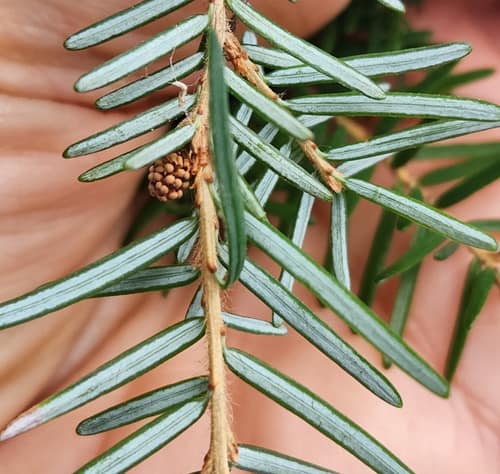
Frequent Companion (c) Lyrae, some rights reserved (CC BY), uploaded by Lyrae · cc-by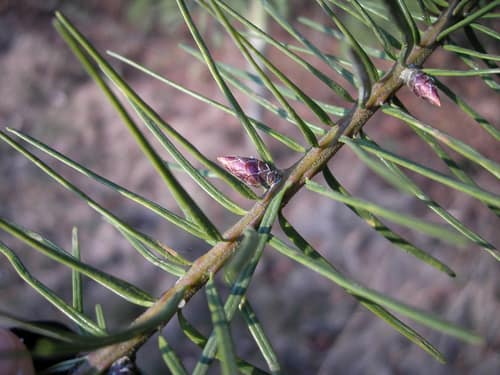
Frequent Companion (c) Danny Steaven, some rights reserved (CC BY-SA) · cc-by-sa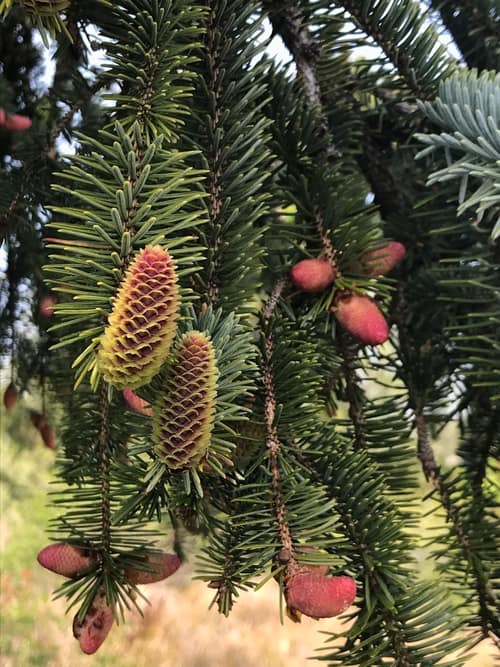
Frequent Companion (c) Aaron Liston, some rights reserved (CC BY), uploaded by Aaron Liston · cc-by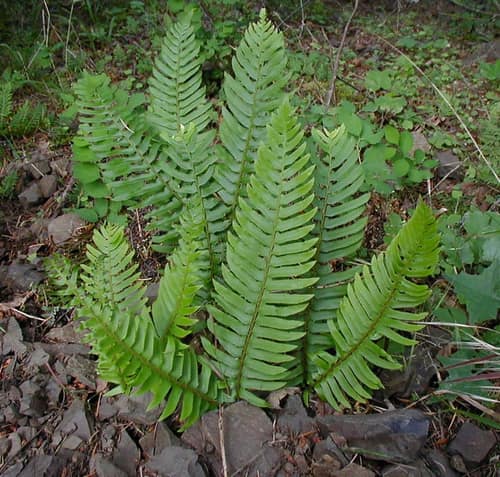
Understory Companion Jami Dwyer / CC BY-SA 2.0 · cc-by-sa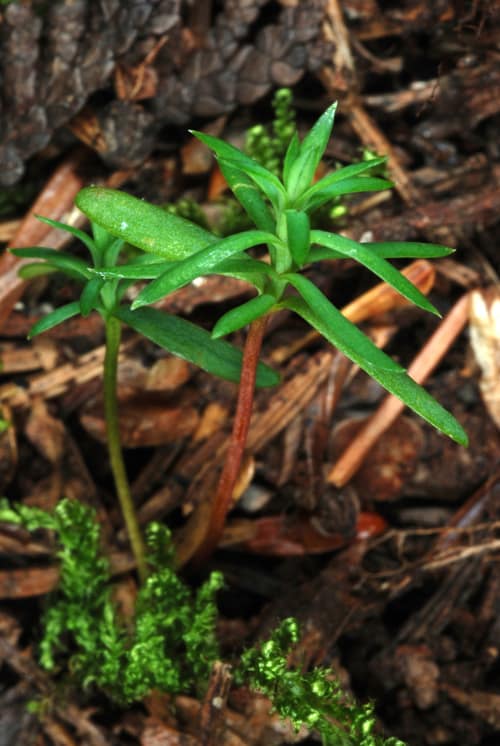
Close Relative (c) Douglas Goldman, some rights reserved (CC BY-SA), uploaded by Douglas Goldman · cc-by-sa
Help improve the field guideSomething wrong?
Checking your Fauna account…Report a name, category, or profile issue for review.