
Plant
Common Haircap Moss
Polytrichum communeAlso known as Common Hair Moss, Great Goldilocks, Pigeon Wheat
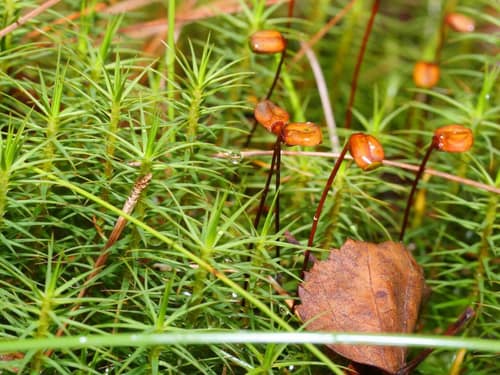
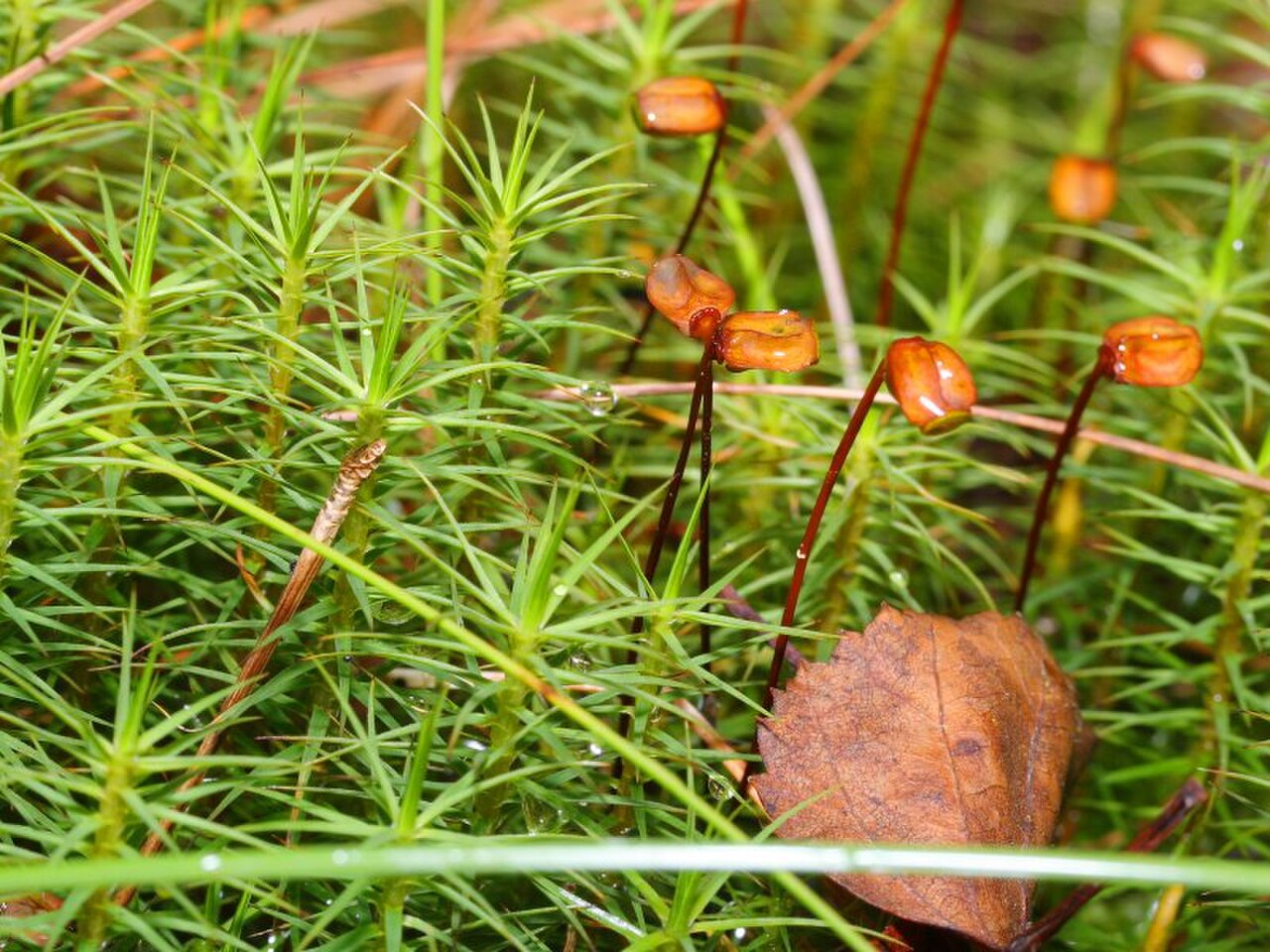
Common haircap moss resembles dense carpets of miniature evergreen trees flourishing across damp acidic ground. Unlike most mosses, it features a rudimentary internal water-conducting system called hydroids and leptoids, allowing stems to reach record heights for bryophytes. Male colonies produce distinctive star-shaped splash cups that use falling raindrops to launch sperm toward nearby female capsules.
WetlandSpore-BearingAcid-Loving
—observations
—countries
—peak records
Least ConcernConservation statusIUCN Red List categoriesLCNTVUENCREWEXLeast ConcernRed List categories, explained →
Diet & preyPhotosynthetic (autotroph)
Predators
- Red grouse
- Mites
- Slugs
ThreatsPeatland drainage, commercial peat extraction, and severe drought
HabitatsBogs, wet heathlands, damp acidic forest floors, and stream banks
Life spanPerennial (individual stems 3–5 years, colonies indefinitely)
Classification
- OrderPolytrichales
- FamilyPolytrichaceae
- GenusPolytrichum
- SpeciesPolytrichum commune
Range data is not available yet.
Interaction riskLow
- Low
- Moderate
- High
- Very high
- Why interaction risk is low
- Safe to observe and handle at a normal distance.
Responsible observation
- Observe Spore Capsules: Look for erect stalks in summer capped by hairy hoods that resemble tiny fur hats.
- Hydration Check: Observe how dry, wiry stems rapidly unfurl their leaves into bright green stars after rain.
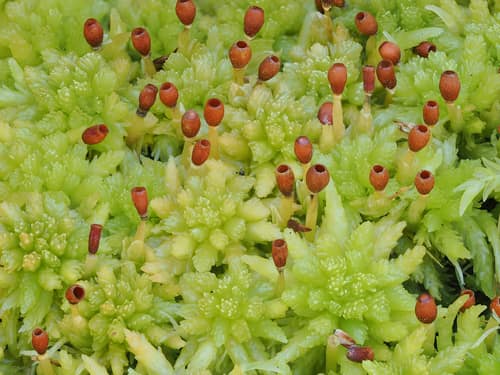
Frequent Companion (c) Justin Paulin, some rights reserved (CC BY), uploaded by Justin Paulin · cc-by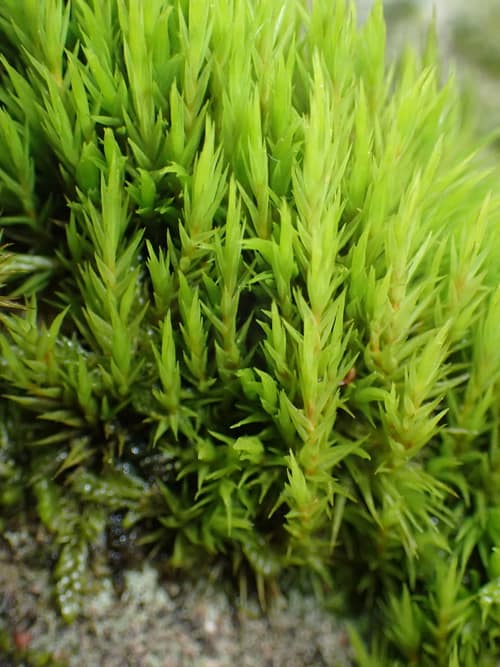
Frequent Companion (c) Zeke Marshall, some rights reserved (CC BY), uploaded by Zeke Marshall · cc-by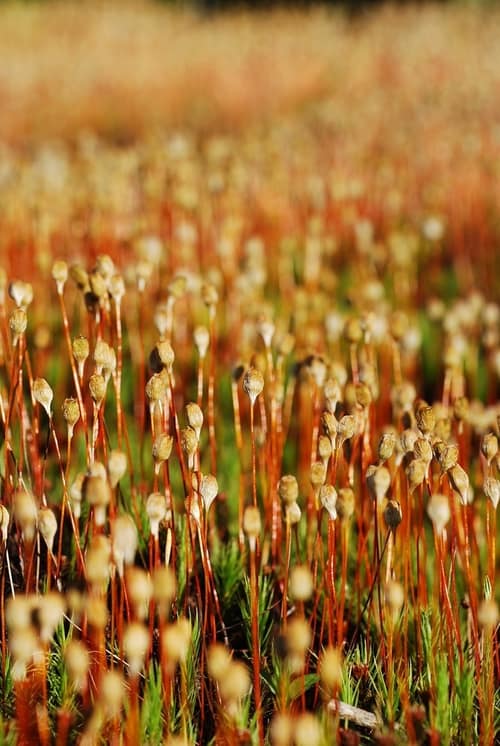
Close Relative (c) Douglas Goldman, some rights reserved (CC BY-SA), uploaded by Douglas Goldman · cc-by-sa
Keep collecting in Fauna
Found in Collections
Ecosystem chain
The Forest Floor
Common Haircap Moss is found in this collection. Identify it in Fauna to fill this slot and continue your progress.
—/12
Help improve the field guideSomething wrong?
Checking your Fauna account…Report a name, category, or profile issue for review.