
Bird
Western Barn Owl
Tyto albaAlso known as Common Barn Owl, White Owl, Screech Owl, Ghost Owl
Western barn owls hunt silently over open fields and meadows, relying on extraordinarily sensitive, asymmetrical ears to pinpoint rodents under dense grass or in total darkness. Their pale, heart-shaped facial discs funnel subtle sounds directly to the ear canals while specialized serrated flight feathers muffle wingbeats. Monogamous pairs frequently nest in quiet church towers, derelict barns, or deep tree hollows, returning to identical breeding territories year after year.
NocturnalPredatorCosmopolitan
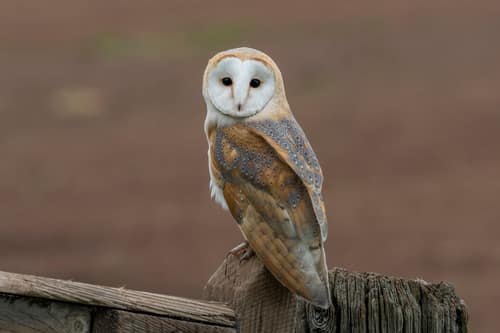
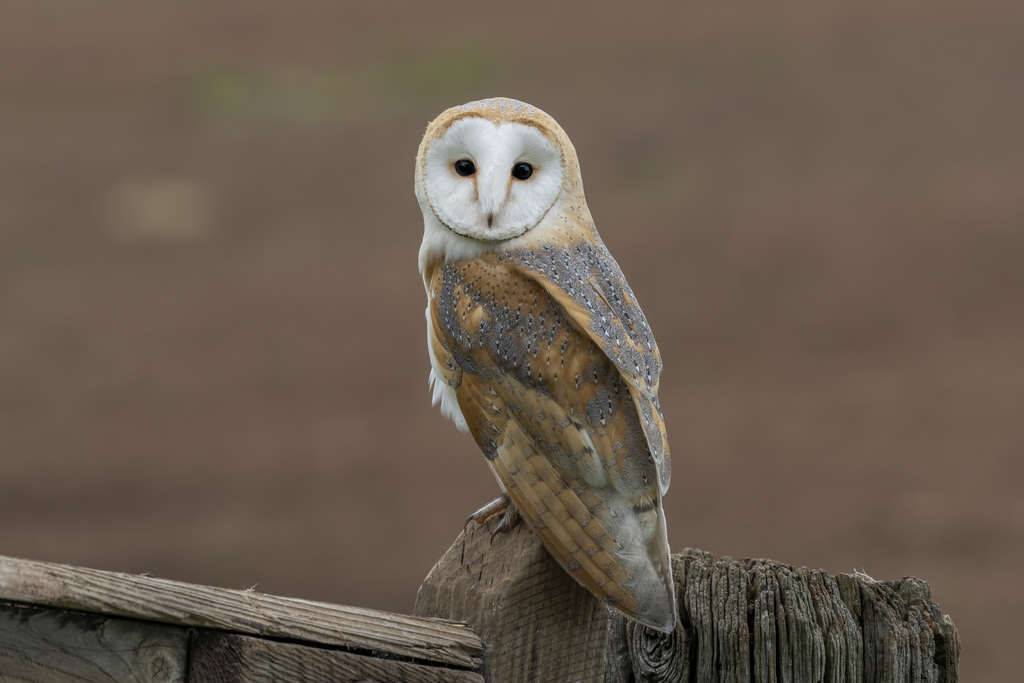
—observations
—countries
—peak records
Least ConcernConservation statusIUCN Red List categoriesLCNTVUENCREWEXLeast ConcernRed List categories, explained →
Diet & preyField Vole, Wood Mouse, Common Shrew
Predators
- Eurasian Eagle-Owl
- Red Fox
- Common Buzzard
ThreatsSecondary rodenticide poisoning, vehicle collisions, and loss of old farm buildings
HabitatsGrasslands, agricultural fields, open woodlands, and rural settlements
Life span4–10 years in the wild
Classification
- FamilyTytonidae
- SpeciesTyto alba
Range data is not available yet.
Interaction riskLow
- Low
- Moderate
- High
- Very high
- Why interaction risk is low
- Can inflict sharp bites and talon scratches if cornered; observe quietly from a safe distance.
Responsible observation
- Listen at dusk: Listen for harsh, raspy shrieks rather than typical rhythmic hooting near field edges.
- Look for signs: Search beneath old agricultural buildings for white droppings and compact grey fur pellets.
- Keep distance: Give nesting sites a wide berth during spring breeding to avoid disrupting parents.
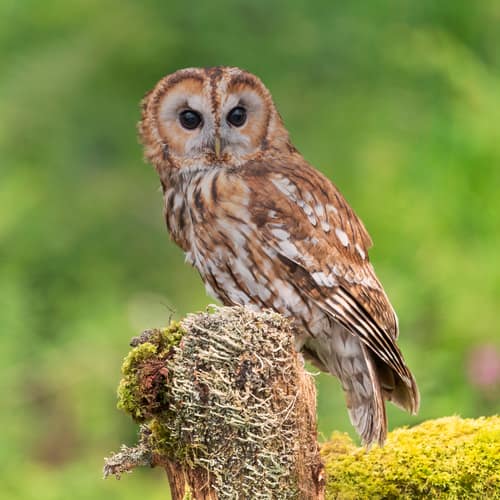
Competitor (c) caroline legg, some rights reserved (CC BY) · cc-by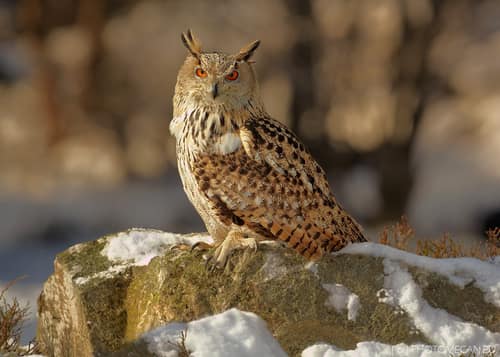
Predator Martin Mecnarowski (http://www.photomecan.eu/) / CC BY-SA 3.0 · cc-by-sa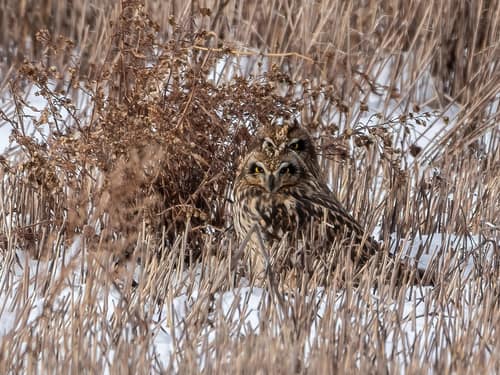
Frequent Companion (c) Derek Spencer, some rights reserved (CC BY) · cc-by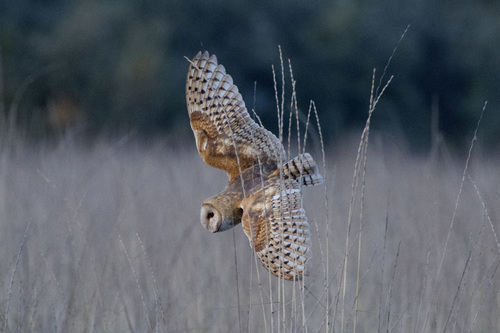
Close Relative no rights reserved · cc0 Image unavailable
Close Relative
Help improve the field guideSomething wrong?
Checking your Fauna account…Report a name, category, or profile issue for review.