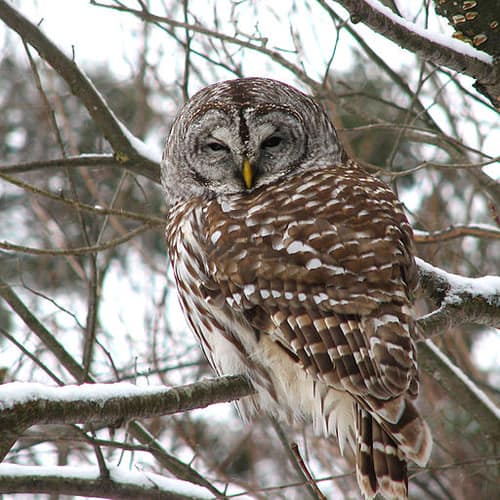
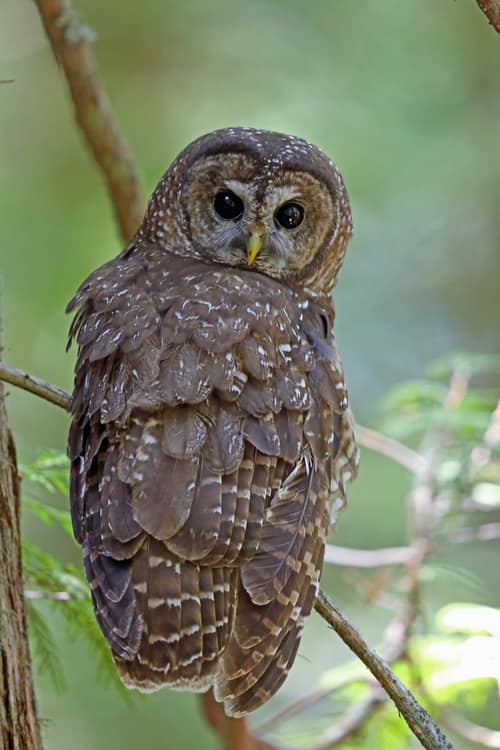
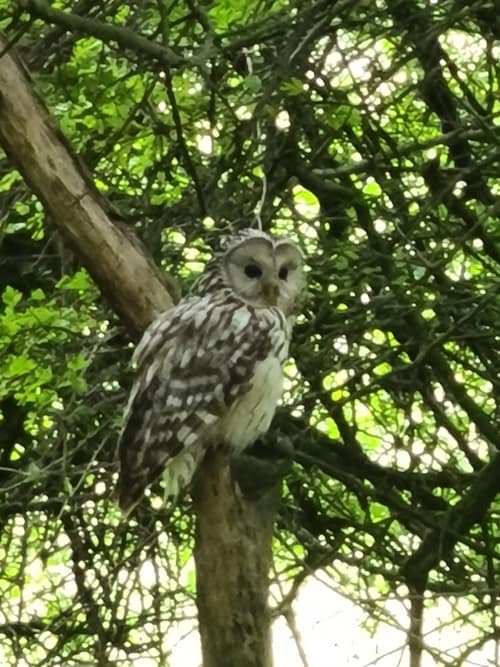
Also known as Great Grey Owl, Phantom of the North, Lapland Owl, Dark Owl
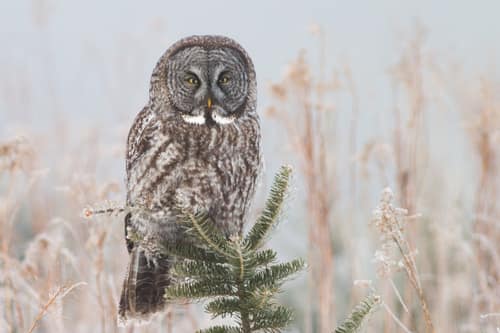
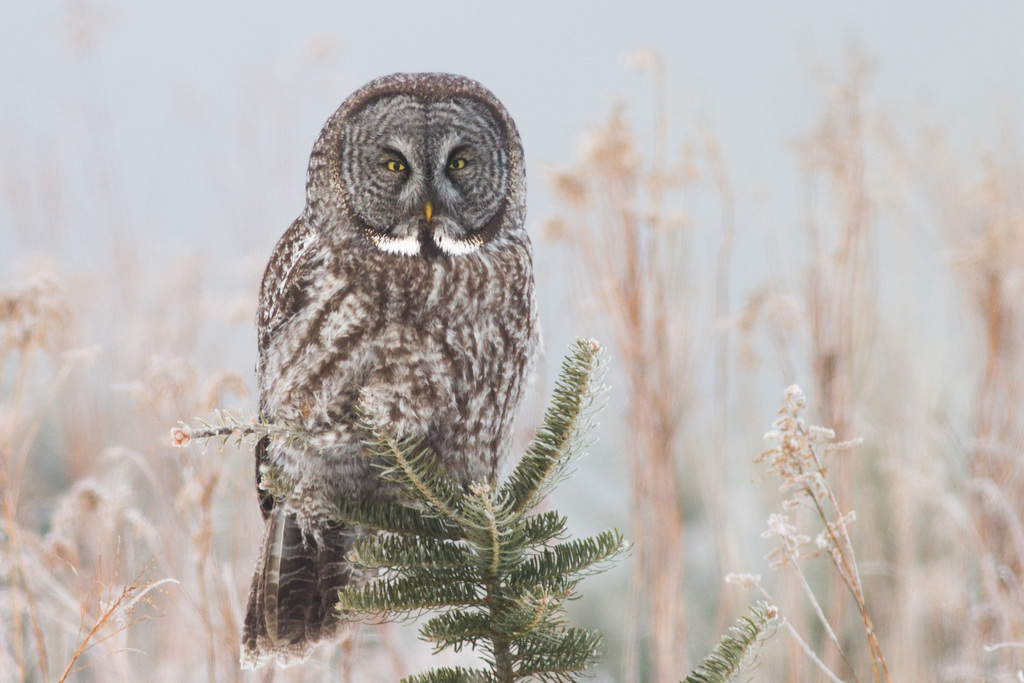
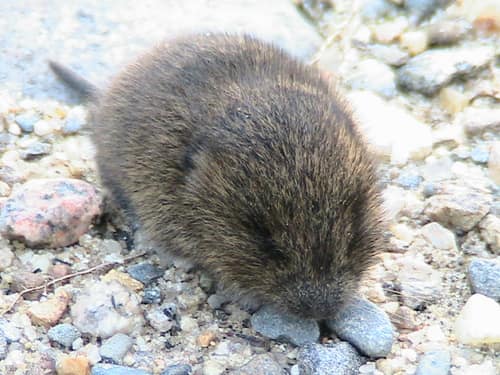
Concealed within dense boreal forests, the Great Gray Owl relies on an oversized facial disc to funnel subtle sounds directly to its asymmetrical ear openings, enabling it to pinpoint small rodents moving beneath deep snow cover. Draped in soft, heavily patterned gray plumage, this majestic predator glides silently over forest clearings before plunging feet-first into snowdrifts to capture prey. Despite standing as one of the tallest owls on Earth, much of its imposing silhouette consists of dense insulating feathers designed to withstand frigid northern winters.
ThreatsLogging of old-growth nesting trees, rodenticide poisoning, climate change, and vehicular strikes
HabitatsBoreal coniferous forests, mountain woodlands, bogs, and alpine meadows
Life span10–15 years in the wild
Classification
OrderStrigiformes
FamilyStrigidae
GenusStrix
SpeciesStrix nebulosa
Range & activity
Range data is not available yet.
Safe observation
Interaction riskLow
Low
Moderate
High
Very high
Why interaction risk is low
Parent owls fiercely defend nests and can strike with sharp talons; maintain a respectful distance.
Why it is dangerous
Parent owls fiercely defend nest sites and will dive-bomb or strike human intruders with sharp talons, causing scalp lacerations or serious puncture wounds.
How to recognize a risky encounter
Identified by its massive facial disc, bright yellow eyes, yellow beak, distinct white bowtie marking under the chin, and complete lack of ear tufts.
What to do
Back away slowly if an owl snaps its beak, bill-clacks, or emits low clucking alarm calls while you are in forested habitat.
What to notice
Look for a large, dusky-gray owl perched quietly on low branches near open meadow clearings or boreal bogs.
Support conservation
Avoid approaching active nest trees, keep dog pets leashed, and never broadcast recorded owl calls during breeding season.
Responsible observation
Observing Etiquette: Stay at the edge of forest clearings and use binoculars to avoid disrupting foraging behavior.
Nest Safety: Keep several hundred meters away from potential nesting snags during spring to prevent parent defense strikes.
Listen Carefully: Scan forest edges at dusk or dawn for deep, rhythmic hooting calls reverberating through glades.