
Bird
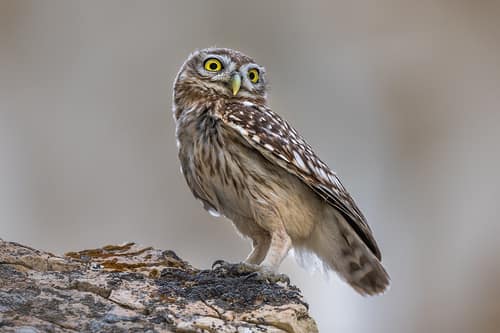
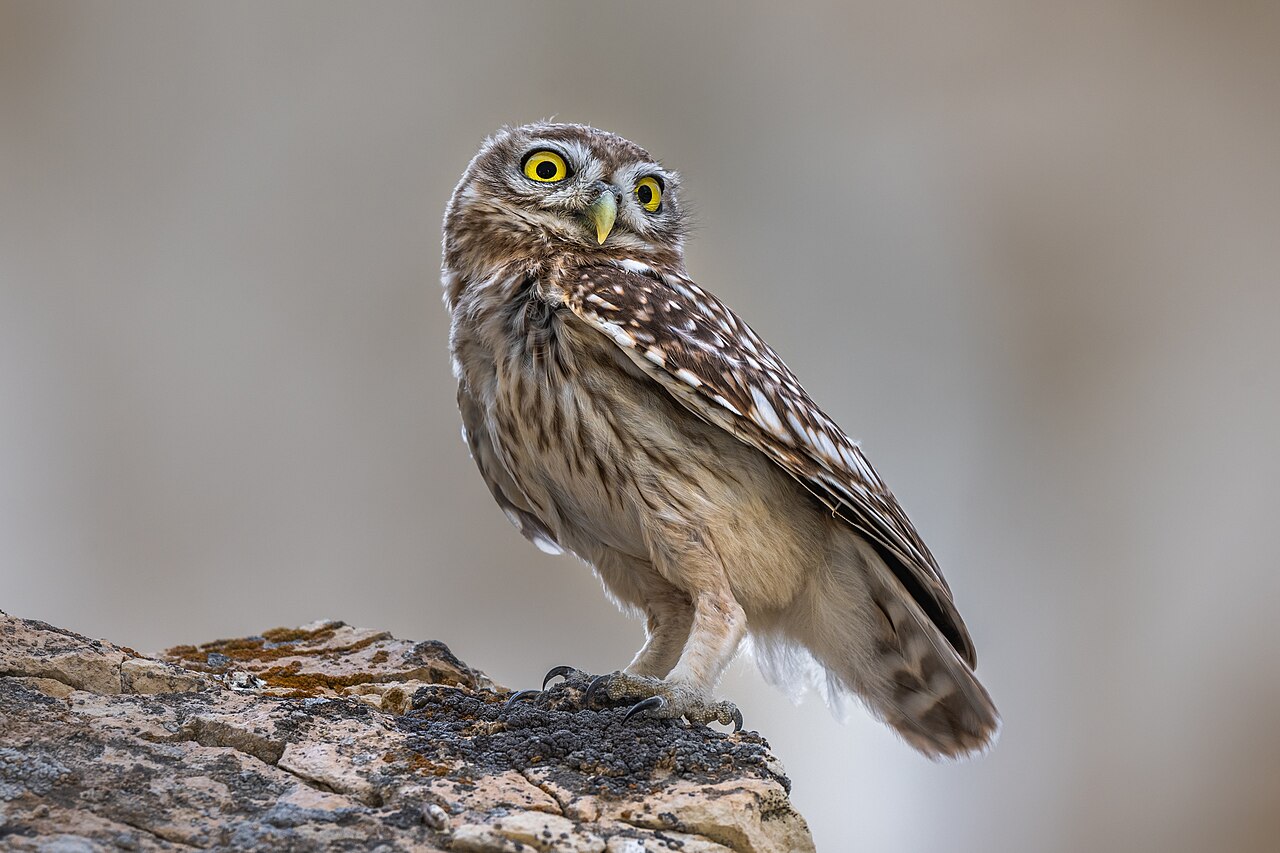
Little Owl
Athene noctuaAlso known as Owl of Athena, Owl of Minerva
Little owls frequently hunt during twilight and daylight hours, often perching prominently on fence posts, telegraph poles, or stone walls to watch for ground prey. When startled or curious, they bob their heads up and down in an animated display to gauge depth before taking flight. They nest in tree hollows, agricultural buildings, and rock crevices, maintaining monogamous pair bonds that often endure for multiple seasons.
CrepuscularCavity NesterPredator
—observations
—countries
—peak records
Least ConcernConservation statusIUCN Red List categoriesLCNTVUENCREWEXLeast ConcernRed List categories, explained →
Diet & preyDung Beetles, Earthworms, Field Voles
Predators
- Domestic Cats
- Red Foxes
- Eurasian Eagle-Owls
ThreatsAgricultural intensification, loss of nesting cavities, vehicle collisions, and pesticide exposure
HabitatsOpen farmland, orchards, steppes, parklands, and stone quarries
Life span4–10 years in the wild
Classification
- FamilyStrigidae
- SpeciesAthene noctua
Range data is not available yet.
Interaction riskLow
- Low
- Moderate
- High
- Very high
- Why interaction risk is low
- Safe to observe at a normal distance.
Responsible observation
- Scan perches: Look for them on low wooden posts or rooflines during early dusk.
- Watch body language: A rapid head-bobbing motion indicates the owl is gauging your distance.
- Listen at twilight: Listen for a sharp, cat-like calling sound repeated from open perches.
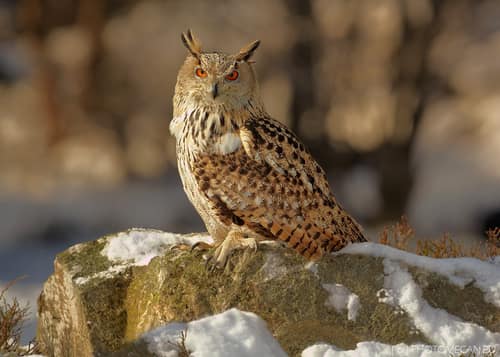
Predator Martin Mecnarowski (http://www.photomecan.eu/) / CC BY-SA 3.0 · cc-by-sa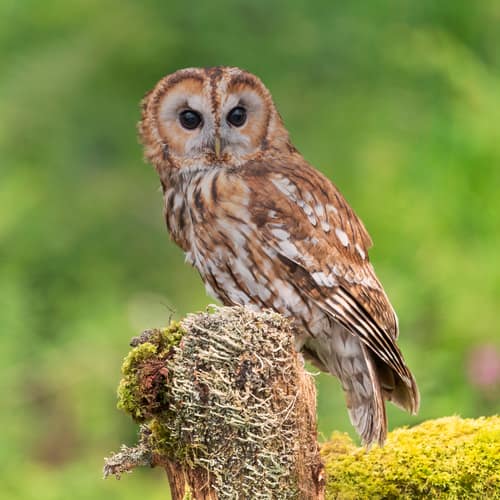
Competitor (c) caroline legg, some rights reserved (CC BY) · cc-by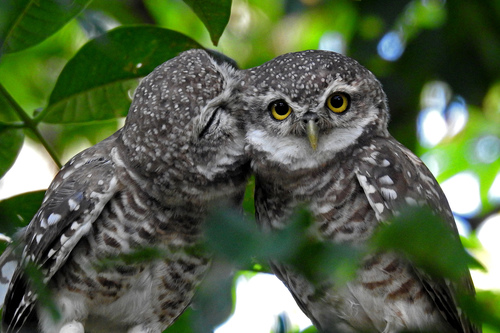
Close Relative (c) Ananya Mondal, some rights reserved (CC BY-SA), uploaded by Ananya Mondal · cc-by-sa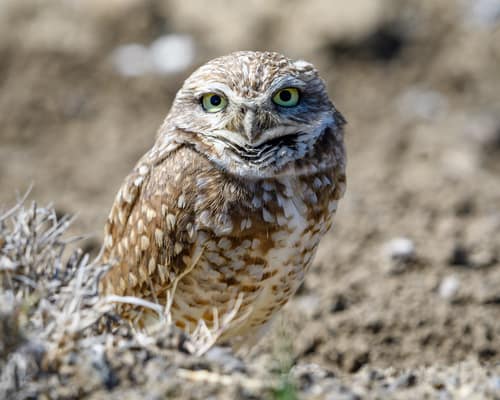
Close Relative "Burrowing Owl" by Becky Matsubara is licensed under CC BY 2.0. To view a copy of this license, visit https://creativecommons.org/licenses/by/2.0/. · cc-by
Help improve the field guideSomething wrong?
Checking your Fauna account…Report a name, category, or profile issue for review.