
Bird
Island Canary
Serinus canariaAlso known as Atlantic Canary, Wild Canary, Common Canary
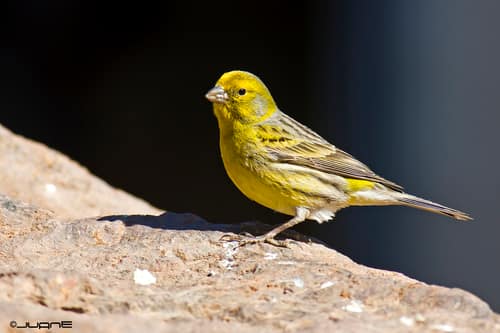
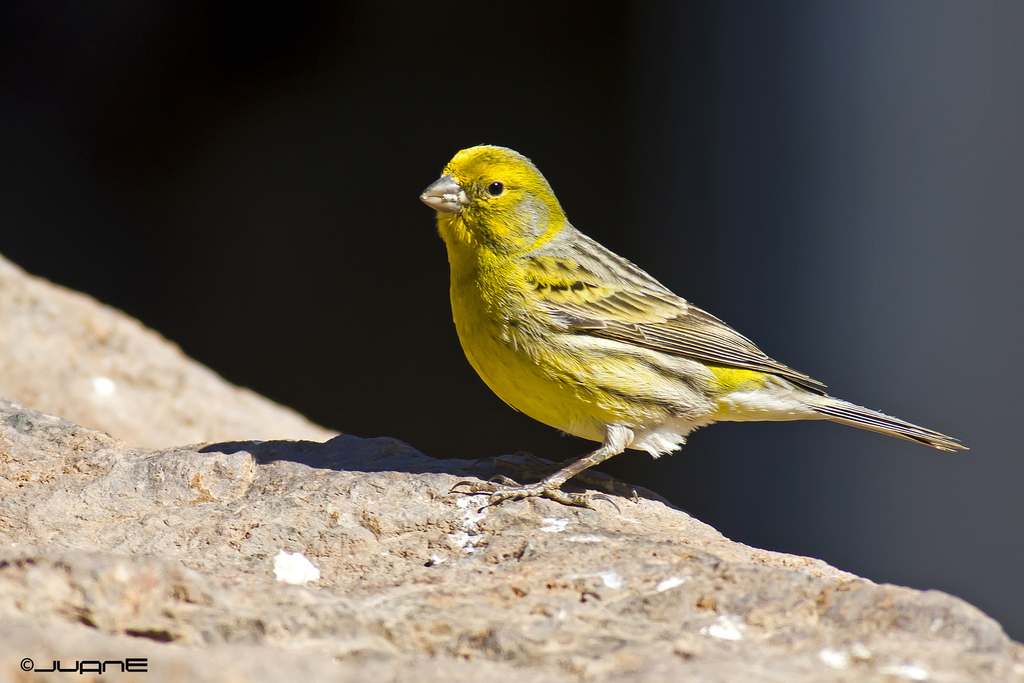
Wild island canaries form energetic social flocks that glean seeds across open pine woodlands, orchards, and coastal dunes of Macaronesia. Males deliver intricate, silvery melodies from high tree perches to mark territories and attract mates throughout the spring breeding season. While domestic descendants exhibit bright yellow plumage, wild individuals retain olive-green feathers with heavy brown streaking that camouflage them effectively in native foliage.
SongbirdSocialSeed Eater
—observations
—countries
—peak records
Least ConcernConservation statusIUCN Red List categoriesLCNTVUENCREWEXLeast ConcernRed List categories, explained →
Diet & preyWeed seeds, Grass seeds, Small invertebrates
Predators
- Feral cats
- Eurasian sparrowhawks
- Common kestrels
ThreatsHabitat modification, feral predators, illegal wild trapping
HabitatsPine forests, Laurel forests, orchards, cultivated lands, dunes
Life span5–10 years in the wild
Classification
- OrderPasseriformes
- FamilyFringillidae
- GenusSerinus
- SpeciesSerinus canaria
Range data is not available yet.
Interaction riskLow
- Low
- Moderate
- High
- Very high
- Why interaction risk is low
- Safe to observe at a normal distance.
Responsible observation
- Listen for Song: Males sing vibrant, silvery trills from prominent treetops during the spring breeding season.
- Watch Flocks: Look for small foraging flocks moving through weeds and grass patches near forest edges.
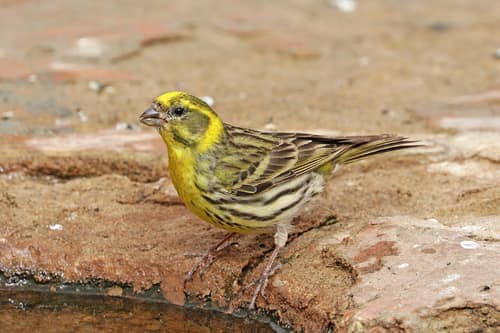
Close Relative Charles J. Sharp / CC BY-SA 4.0 · cc-by-sa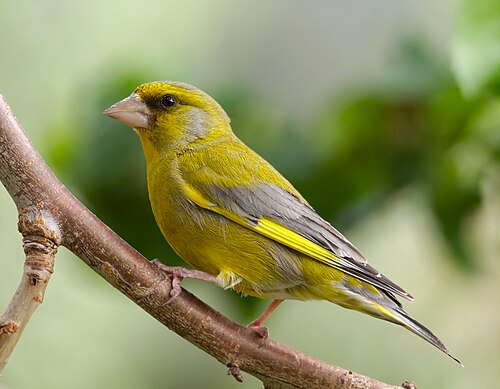
Family Relative Martin Kunz / CC BY 4.0 · cc-by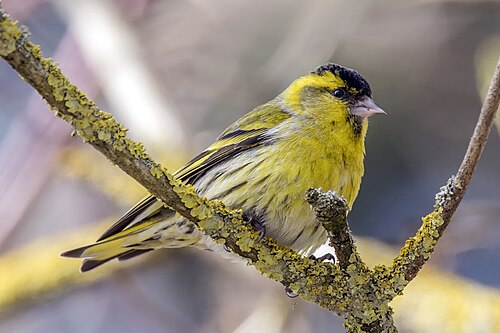
Family Relative Charles J. Sharp / CC BY-SA 4.0 · cc-by-sa
Keep collecting in Fauna
Found in Collections
Species set Pro
Backyard Birds
Island Canary is found in this collection. Identify it in Fauna to fill this slot and continue your progress.
Unlock to track progress
Help improve the field guideSomething wrong?
Checking your Fauna account…Report a name, category, or profile issue for review.